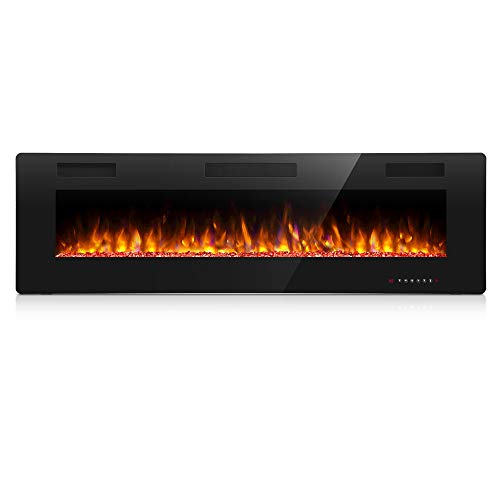
Thinnest Wall Mount Electric Fireplace: The Complete Guide
Discover ultra-slim wall mount electric fireplaces that combine modern aesthetics with practical heating. Learn about profile depths, installation requirements, and how to choose the perfect slim fireplace for your home.
START EXPLORINGWhy Ultra-Slim Matters: The thinnest wall mount electric fireplaces offer a sleek, modern look without sacrificing floor space. They are ideal for apartments, offices, and living rooms where every inch counts. This guide will help you understand what to look for and how to choose the right model for your needs.
What Is a Thinnest Wall Mount Electric Fireplace?
A thinnest wall mount electric fireplace is an ultra-slim heating and ambiance unit designed to be mounted flush against a wall. Unlike traditional fireplaces that require venting, chimneys, or deep recesses, these models feature a minimal profile—often just a few inches deep—making them ideal for modern interiors where space is at a premium.
These fireplaces are typically powered by electricity and use LED technology to simulate realistic flames. Many models also include built-in heaters, allowing them to function as supplemental heat sources. The key advantage is their ability to deliver the visual appeal of a fireplace without the bulk or installation complexity of gas or wood-burning units.
If you are exploring different options for your home, you may want to compare this with other wall-mounted, insert, and freestanding fireplace types to determine which best suits your space.
How Thin Can a Wall Mount Electric Fireplace Be?
The thinnest wall mount electric fireplaces on the market today can be as slim as 1.5 to 3 inches in depth. However, the overall profile depends on several factors, including the heating mechanism, the size of the unit, and whether it is designed for flush mounting or surface mounting.
Depth Categories Explained
- Ultra-Slim (1.5–3 inches): These are the thinnest models available. They typically use low-profile LED technology and may have limited heating capacity. Best for ambiance-focused applications or small rooms.
- Slim (3–5 inches): A balance between profile and performance. These models often include more powerful heaters and larger flame displays while still maintaining a relatively thin profile.
- Standard (5–8 inches): These are not considered "thinnest" but still qualify as wall-mounted. They offer the most heating power and feature depth.
When selecting a model, consider that a thinner profile may mean a smaller heater or less powerful fan. If heating is a priority, you may need to compromise slightly on depth. For a deeper dive into heating capabilities, see our fireplace heating capacity and BTU guide.
Key Features to Look For in an Ultra-Slim Electric Fireplace
Not all thin wall mount electric fireplaces are created equal. Here are the most important features to evaluate before making a purchase:
1. Flame Realism
Modern ultra-slim models use LED lights and reflective elements to create realistic flames. Some high-end models even offer realistic electric fireplace logs and crackling sound effects for a more authentic experience. Look for models with adjustable flame brightness and color options.
2. Heating Capacity
Most thin wall mount electric fireplaces are designed for supplemental heating rather than whole-home heating. They typically produce between 1,500 and 5,000 BTUs, which can effectively warm a room up to 400 square feet. If you need more power, consider a best electric fireplace heater for large room.
3. Installation Type
Thin electric fireplaces can be surface-mounted or recessed. Surface-mounted models are easier to install and protrude slightly from the wall. Recessed models sit flush with the wall for a seamless look but require cutting into drywall. For a step-by-step guide, see our electric fireplace installation guide.
4. Control Options
Look for models with remote controls, wall switches, or smart home compatibility. A smart Wi-Fi fireplace controller allows you to adjust settings from your phone, while a fireplace thermostat helps maintain a consistent temperature.
5. Safety Features
Ensure the model includes overheat protection and a cool-to-touch surface. If you have children or pets, consider a fireplace gate or a model with a safety shut-off. For more safety tips, read our TV above fireplace safety guide.
Comparing Thin Wall Mount Electric Fireplaces by Tier
The following table compares different tiers of thin wall mount electric fireplaces based on typical features. This will help you understand what to expect at each level.
| Feature | Entry-Level | Mid-Range | Premium |
|---|---|---|---|
| Profile Depth | 3–5 inches | 2–4 inches | 1.5–3 inches |
| Flame Realism | Basic LED flames | Adjustable LED with multiple colors | 3D flame technology with crackling sound |
| Heating Output | 1,500–2,500 BTU | 2,500–4,000 BTU | 4,000–5,000+ BTU |
| Control Options | Manual switches | Remote control | Remote, app, and voice control |
| Installation | Surface mount only | Surface or recessed | Flush recessed with minimal protrusion |
| Best For | Small rooms, ambiance | Medium rooms, supplemental heat | Large rooms, premium aesthetics |
As you can see, premium models offer the thinnest profiles and the most advanced features. However, mid-range models often provide the best balance of performance and value for most homeowners.
Installation Considerations for Ultra-Slim Electric Fireplaces
Installing a thin wall mount electric fireplace is generally straightforward, but there are several factors to consider:
Wall Type and Structure
Ensure the wall can support the weight of the fireplace. While thin models are lightweight, they still require secure mounting. If you are mounting on drywall, use anchors rated for the weight. For brick or concrete walls, you may need specialized hardware. If you are unsure, consider hiring a professional—see our guide on DIY vs professional fireplace installation.
Power Requirements
Most electric fireplaces plug into a standard outlet. However, if you plan to use the heater frequently, ensure the circuit can handle the load. A dedicated circuit is recommended for models that draw significant power. If you experience issues, see our troubleshooting guide for electric fireplace tripping breaker.
Placement and Clearance
Keep flammable materials away from the fireplace. If you plan to mount a TV above it, ensure there is adequate clearance and consider a model with a fireplace blower fan to direct heat away from the TV. For more details, read our TV above fireplace safety guide.
Do You Need a Chimney or Vent?
No! Electric fireplaces do not require venting or a chimney. This is one of their biggest advantages. For more information, see do fireplaces need a chimney.
Benefits of Choosing a Thin Wall Mount Electric Fireplace
There are many reasons why homeowners choose ultra-slim wall mount electric fireplaces over traditional options:
- Space-Saving Design: The thin profile means they take up minimal floor space, making them ideal for small apartments, condos, and offices. If you have a compact living area, see our best fireplace for small spaces guide.
- Easy Installation: No venting, no chimney, no gas lines. Most models can be installed in under an hour with basic tools.
- Energy Efficiency: Electric fireplaces are highly efficient, converting nearly all consumed energy into heat. Learn more in our most energy-efficient fireplace types article.
- Versatile Aesthetics: Available in a wide range of styles, from modern and minimalist to traditional. You can also customize the look with electric fireplace logs and other accessories.
- Low Maintenance: Unlike wood or gas fireplaces, electric models require minimal maintenance. Regular dusting and occasional cleaning of the glass are usually sufficient. See our electric fireplace maintenance tips.
For a broader comparison of electric fireplaces versus other types, see our electric vs gas vs wood fireplace comparison.
Common Mistakes to Avoid When Buying a Thin Wall Mount Electric Fireplace
To ensure you make the right choice, avoid these common pitfalls:
- Overlooking Heating Capacity: Don't assume all electric fireplaces heat the same. Check the BTU rating and square footage coverage. If you need to heat a large room, you may need a more powerful model. See our can a fireplace heat an entire house guide.
- Ignoring Installation Requirements: Some models are designed for recessed installation only, while others are surface-mounted. Make sure you understand the requirements before purchasing.
- Not Considering Noise Levels: Some electric fireplaces have noisy fans or crackling sounds. If you are sensitive to noise, read reviews or look for models with quiet operation. If your fireplace is making noise, see our fireplace making noise troubleshooting guide.
- Forgetting About Safety: Always prioritize safety. Look for models with overheat protection and cool-to-touch surfaces. If you have pets or children, consider a fireplace gate.
- Neglecting Aesthetics: While function is important, don't forget about style. Choose a model that complements your decor. You can also enhance the look with fireplace accessories.
Maintenance Tips for Thin Wall Mount Electric Fireplaces
To keep your ultra-slim electric fireplace looking and performing its best, follow these maintenance tips:
- Dust Regularly: Use a soft cloth or vacuum brush attachment to remove dust from the vents and surface.
- Clean the Glass: If your model has a glass front, clean it with a non-abrasive glass cleaner. See our how to clean fireplace glass guide.
- Check the Heater: Periodically inspect the heater for dust buildup. If you notice reduced heating, it may need cleaning. See our electric fireplace not heating troubleshooting guide.
- Inspect the Cord and Plug: Ensure the power cord is not damaged and the plug fits securely.
- Seasonal Maintenance: Before winter, test the heater and remote control. For a full checklist, see our seasonal fireplace checklist.
For more detailed maintenance instructions, see our electric fireplace maintenance tips.
Troubleshooting Common Issues
Even the best electric fireplaces can encounter issues. Here are some common problems and how to address them:
Fireplace Not Heating
If your fireplace is not producing heat, check the thermostat settings, ensure the heater is turned on, and inspect for dust buildup. If the problem persists, see our electric fireplace not heating guide.
Flame Not Working
If the flame effect is not working but the heat is on, the LED lights may need replacement. See our electric fireplace flame not working troubleshooting guide.
Remote Control Issues
If the remote is not working, try replacing the batteries or resetting the fireplace. See our electric fireplace remote fix guide.
Tripping Breaker
If your fireplace keeps tripping the breaker, it may be drawing too much power for the circuit. See our electric fireplace tripping breaker guide.
Buzzing Noise
A buzzing noise could indicate a loose part or electrical issue. See our electric fireplace buzzing noise guide.
Frequently Asked Questions
The thinnest models on the market are typically around 1.5 to 2 inches deep. However, these ultra-slim models often have lower heating capacities. If you need more heat, you may need to opt for a model that is 3 to 4 inches deep.
No, electric fireplaces do not require venting. They can be installed on any wall with access to a power outlet. This makes them ideal for apartments and homes without chimneys.
Yes, many models include built-in heaters that can warm rooms up to 400 square feet. However, they are generally used for supplemental heating rather than as a primary heat source. For larger rooms, consider a more powerful model. See our do electric fireplaces heat a room guide.
Yes, when installed and used correctly, they are very safe. Look for models with overheat protection and cool-to-touch surfaces. Unlike gas or wood fireplaces, they do not produce carbon monoxide. See our do electric fireplaces produce CO guide.
Dust the surface regularly with a soft cloth. If the glass is dirty, use a non-abrasive glass cleaner. Avoid spraying liquid directly onto the fireplace. For more tips, see our cleaning electric fireplace guide.
Yes, most models are designed for DIY installation. However, if you are not comfortable working with tools or electrical outlets, it is best to hire a professional. See our is a fireplace DIY-friendly guide.
The cost to run an electric fireplace depends on your local electricity rates and how often you use it. On average, it costs less than running a central heating system for the same area. See our fireplace daily running cost guide for more details.
With proper maintenance, a quality electric fireplace can last 10 to 20 years. See our fireplace lifespan guide for more information.
Final Verdict: Is a Thinnest Wall Mount Electric Fireplace Right for You?
If you are looking for a space-saving, easy-to-install, and visually appealing heating solution, a thinnest wall mount electric fireplace is an excellent choice. They are perfect for modern homes, apartments, and offices where traditional fireplaces are not feasible.
When choosing a model, prioritize flame realism, heating capacity, and safety features. Consider your room size and heating needs to determine whether an ultra-slim model or a slightly deeper model with more power is right for you.
For more guidance, explore our fireplace buying guide and which fireplace is right for your home articles.