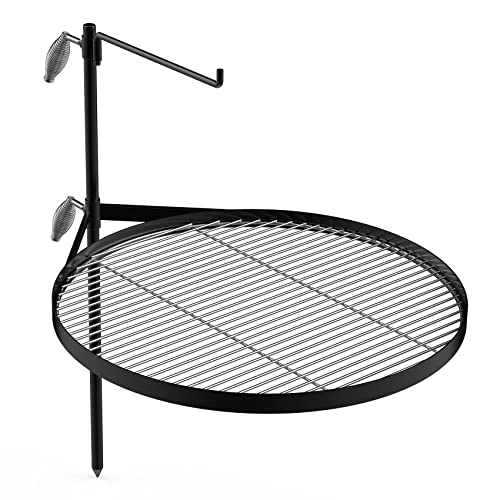
Stainless Steel Fire Pit Cooking Grate
Transform your fire pit into a versatile outdoor cooking station. Learn everything you need to know about choosing, using, and maintaining a stainless steel cooking grate for years of reliable performance.
Start ExploringWhy Stainless Steel? When it comes to fire pit cooking grates, stainless steel stands out as the material of choice for serious outdoor cooks. Its unique combination of durability, heat resistance, and hygiene makes it superior to other materials for cooking over open flames.
Why a Stainless Steel Cooking Grate Belongs on Your Fire Pit
A fire pit is more than just a source of warmth and ambiance — it's a potential outdoor kitchen. Adding a stainless steel fire pit cooking grate instantly expands your culinary possibilities, allowing you to grill burgers, sear steaks, roast vegetables, and even prepare full meals over an open flame. Unlike disposable grills or makeshift skewers, a dedicated stainless steel grate provides a stable, safe, and long-lasting cooking surface that integrates seamlessly with your existing fire pit setup.
The appeal of stainless steel lies in its molecular structure. Chromium in the alloy forms a passive oxide layer that resists rust and corrosion, even when exposed to the elements. This makes it ideal for outdoor use, where temperature swings, rain, and humidity can quickly degrade lesser materials. For homeowners who already enjoy their fireplace or fire pit, adding a cooking grate is one of the simplest upgrades with the highest return in usability. If you're exploring broader ways to enhance your outdoor living space, our guide on outdoor fireplaces offers additional inspiration for creating a functional and beautiful backyard retreat.
Beyond durability, stainless steel offers practical cooking advantages. It heats evenly, resists warping under high heat, and won't impart metallic flavors to food. Cleaning is straightforward, and the non-porous surface doesn't harbor bacteria like some other materials can. Whether you're a casual weekend griller or a dedicated outdoor chef, a quality stainless steel grate is an investment that pays dividends in every meal you prepare.
Key Features to Look For in a Stainless Steel Cooking Grate
Material Grade
Not all stainless steel is created equal. Look for 304-grade stainless steel, which offers an excellent balance of corrosion resistance and heat tolerance. Higher grades like 316 provide superior resistance to salt and chemicals, making them ideal for coastal areas.
Bar Thickness & Spacing
Thicker bars (typically measured in gauge or diameter) resist warping better and retain heat more effectively. Bar spacing determines what you can cook — wider spacing suits large cuts of meat, while tighter spacing prevents smaller items from falling through.
Dimensions & Fit
Measure your fire pit's inner dimensions carefully. A grate that sits flush and stable is safer and more efficient. Many grates are designed with adjustable or multiple sections to accommodate different fire pit sizes and shapes.
Handle Design
Integrated handles or lifting loops make it easy to reposition or remove the grate while it's hot. Look for handles that stay cool or can be gripped with fireplace gloves for safe handling during cooking sessions.
Surface Finish
A smooth, polished finish is easier to clean and less likely to trap food particles. Some grates feature a slightly rougher texture for better grip on food, but polished surfaces are generally preferred for hygiene and maintenance.
Weight & Portability
Heavier grates tend to be more durable and stable, but if you plan to move your grate frequently, a lighter model may be more practical. Consider how often you'll need to remove or reposition the grate during use.
Pros and Cons of Stainless Steel Cooking Grates
Advantages
- Excellent rust and corrosion resistance
- Withstands high temperatures without warping
- Does not react with acidic foods
- Easy to clean and maintain
- Long lifespan with proper care
- Hygienic, non-porous surface
- Even heat distribution for consistent cooking
Considerations
- Higher upfront cost compared to cast iron or chrome-plated options
- Can discolor with prolonged high-heat exposure
- Not as effective at retaining heat as cast iron
- Requires regular cleaning to maintain appearance
- Heavier models can be difficult to handle
Despite the higher initial investment, stainless steel grates typically outperform and outlast cheaper alternatives, making them a cost-effective choice over time. The key is selecting the right grade and thickness for your specific cooking habits and environment. For those comparing different fire pit accessories, our overview of fireplace accessories provides a broader context on essential tools and upgrades.
Stainless Steel vs. Other Grate Materials
| Feature | Stainless Steel | Cast Iron | Chrome-Plated Steel | Carbon Steel |
|---|---|---|---|---|
| Rust Resistance | Excellent | Poor (requires seasoning) | Good (until plating chips) | Poor (requires seasoning) |
| Heat Retention | Moderate | Excellent | Moderate | Good |
| Weight | Light to Moderate | Heavy | Light | Moderate |
| Maintenance | Easy | High (seasoning required) | Moderate | High |
| Lifespan | Long | Very Long (if cared for) | Moderate (plating wears) | Long (if cared for) |
| Best For | All-around use, coastal areas | High-heat searing | Budget-friendly options | Traditionalists |
As the table illustrates, stainless steel offers the best balance of low maintenance, durability, and versatility for most outdoor cooks. While cast iron excels at heat retention for searing, it requires diligent seasoning and rust prevention. Chrome-plated options are more affordable but degrade faster. For a deeper dive into outdoor cooking setups, including the benefits of different fire pit styles, see our article on outdoor wood burning fire pit with cooking grill.
How to Choose the Right Size and Fit
Proper sizing is critical for safety and performance. A grate that's too small can shift during cooking, while one that's too large may not sit securely or allow proper airflow around the fire. Start by measuring the inner diameter or dimensions of your fire pit at the level where the grate will rest. Most manufacturers list compatible fire pit sizes, but always verify with your own measurements.
Consider the types of food you'll cook most often. If you frequently grill smaller items like shrimp, vegetables, or sliced meats, a grate with tighter bar spacing (around 1/2 inch) prevents food from falling through. For larger cuts like steaks, chops, or whole fish, wider spacing (up to 1 inch) is easier to work with and allows more flame contact. Some grates feature a mix of spacing or removable sections for versatility.
Height also matters. The grate should sit high enough above the fire to allow for controlled cooking, but low enough to benefit from the heat. Many fire pits have built-in ledges or support tabs for grates; if yours doesn't, look for a grate with legs or a frame that elevates it to the proper height. For a comprehensive look at fire pit sizing and placement, our guide on fireplace sizing for open concept rooms offers principles that apply to outdoor cooking areas as well.
Cleaning and Maintaining Your Stainless Steel Grate
Stainless steel is low-maintenance, but regular care ensures it stays in top condition. After each use, allow the grate to cool completely before handling. Once cooled, brush off loose debris with a grill brush or a ball of aluminum foil. For deeper cleaning, scrub with a non-abrasive pad and warm soapy water. Avoid steel wool, which can scratch the surface and leave particles that may rust.
For stubborn grease or burnt-on residue, make a paste of baking soda and water, apply it to the grate, and let it sit for 15–20 minutes before scrubbing. Rinse thoroughly and dry immediately to prevent water spots. If discoloration occurs from high heat, it's usually cosmetic and doesn't affect performance — a vinegar solution can help restore shine.
Store your grate in a dry place when not in use, or cover your fire pit to protect it from rain and debris. Even stainless steel can develop rust spots if left in standing water or exposed to salt for extended periods. Regular inspection for loose bars or sharp edges ensures safe cooking. For more on maintaining outdoor fire features, see our outdoor fireplace maintenance guide.
Cooking Tips for Fire Pit Grates
Build the Right Fire
Use hardwood or hardwood charcoal for consistent heat and better flavor. Avoid softwoods like pine, which burn quickly and produce excessive smoke. Let the fire burn down to hot coals before placing the grate for cooking.
Control the Heat
Create heat zones by pushing coals to one side. This allows you to sear over high heat and move food to a cooler area to finish cooking without burning. Adjust airflow with a fire pit poker or bellows.
Oil the Grate
Before cooking, brush the grate with a high-smoke-point oil like avocado or canola to prevent sticking. Reapply as needed during long cooking sessions.
Use the Right Tools
Long-handled tongs, spatulas, and a reliable instant-read thermometer are essential. Heat-resistant gloves protect your hands when adjusting the grate or adding fuel.
Clean as You Go
Keep a wire brush nearby to scrape the grate between batches. This prevents buildup and makes final cleanup easier. A spray bottle of water can help control flare-ups.
Experiment with Techniques
Try direct grilling, indirect cooking, and even smoking by adding soaked wood chips to the coals. A stainless steel grate opens up endless outdoor cooking possibilities.
Frequently Asked Questions
For most residential fire pits, a bar thickness of 1/4 inch to 3/8 inch provides an excellent balance of durability and weight. Thicker bars (1/2 inch) resist warping better and retain more heat, but they are heavier and may be overkill for occasional use. Entry-level grates often use thinner bars (3/16 inch or less) that can warp under high heat. Mid-range and premium models typically feature 1/4 inch or thicker bars for better performance and longevity.
Stainless steel is highly resistant to rust, but it is not rust-proof. Under normal outdoor use with proper care, rust should not be an issue. However, prolonged exposure to moisture, salt, or chemicals can cause surface rust, especially on lower-grade stainless steels. 304-grade stainless steel handles most environments well; 316-grade is better for coastal areas. Regular cleaning and drying, plus storing the grate in a dry place, will keep rust at bay.
Yes, stainless steel grates are ideal for wood-burning fire pits. They withstand the high temperatures of wood fires and won't be damaged by direct flame contact. For best results, wait until the fire has burned down to hot coals before placing the grate. This provides more consistent heat and reduces the risk of flare-ups from dripping fats. If you're using a fire pit with a cooking grate, ensure the fire pit itself is designed for cooking or placed in a safe, ventilated area.
Measure the inner diameter of your fire pit at the height where the grate will sit. If your fire pit has a ledge or support tabs, measure across those. For square or rectangular fire pits, measure the length and width. Always round down slightly to ensure the grate fits inside without getting stuck. If you're unsure, look for adjustable grates or models that come in multiple sections, which can accommodate a range of sizes.
It depends on your priorities. Stainless steel is easier to maintain, resists rust, and is lighter. Cast iron retains heat better and can produce excellent sear marks, but it requires seasoning and careful rust prevention. For most casual outdoor cooks, stainless steel is the more practical choice. For dedicated enthusiasts who want the ultimate searing performance and don't mind the maintenance, cast iron is a worthy option. Many people keep both on hand for different cooking tasks.
Preheating the grate before cooking is key. Once the grate is hot, brush it clean, then apply a thin layer of high-smoke-point oil using a folded paper towel and tongs. Place food on the grate and avoid moving it until it releases naturally — this creates a sear that prevents sticking. For delicate items like fish, consider using a grill basket or cedar plank. Also, make sure your grate is clean before each use; built-up residue is a common cause of sticking.
Ready to Upgrade Your Fire Pit Cooking?
Browse our recommended stainless steel cooking grates and find the perfect fit for your outdoor setup. Quality construction, durable materials, and designs that make outdoor cooking a pleasure.
View Recommended Grates