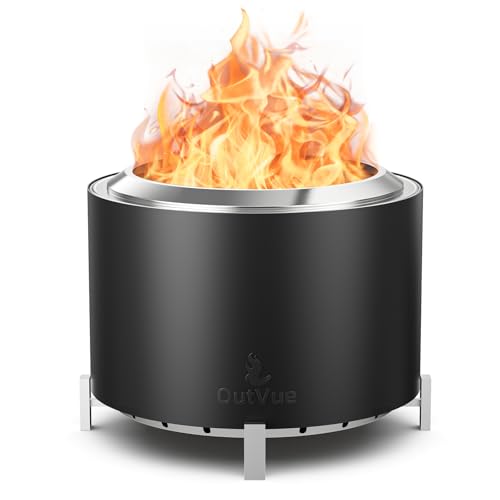
Smokeless Fire Pit: How Does It Work?
Discover the science behind smokeless fire pits, from secondary combustion to airflow design, and learn how to choose the perfect one for your outdoor space.
Learn the ScienceQuick Answer: A smokeless fire pit works by using a double-wall design and strategically placed air vents to create a secondary combustion chamber. This chamber burns off the smoke and particulates that would normally escape, resulting in a cleaner, hotter, and nearly smoke-free fire.
The Science of a Smokeless Fire
Traditional fire pits produce smoke because the combustion process is incomplete. When wood burns, it releases volatile gases and fine particles. In a standard fire pit, these gases cool and escape as visible smoke before they can be fully burned. A smokeless fire pit solves this problem by re-introducing oxygen to the fire at a higher point.
This process, known as secondary combustion, is the key to a smokeless fire. The fire pit's design forces unburned gases and smoke back into the flame, where they are ignited and burned at a much higher temperature. This not only reduces smoke but also increases the heat output and efficiency of the fire. For a broader understanding of how different fire features operate, you might explore our guide on what is a fireplace and how it works.
Key Components of a Smokeless Fire Pit
Not all smokeless fire pits are created equal, but most share a few essential design features that make the magic happen. Understanding these components will help you evaluate different models.
- Double-Wall Construction: The outer wall creates a space for air to be preheated before it enters the combustion chamber. This preheated air is crucial for efficient secondary combustion.
- Air Vents (Primary and Secondary): Primary vents at the base supply oxygen to the main fire. Secondary vents, usually located at the top of the inner wall, direct preheated air into the rising smoke to ignite it.
- Insulated Body: Many high-end models use insulation between the walls to maintain high internal temperatures, which aids in complete combustion. The materials used can vary, from stainless steel smokeless fire pits for durability to other heat-resistant metals.
- Ash Pan: A removable ash pan makes cleanup easier and helps maintain proper airflow from the bottom.
- Fuel Source: While you can burn traditional firewood, many enthusiasts prefer using wood pellets for smokeless fire pits because they burn hotter and more consistently, enhancing the smokeless effect.
How a Smokeless Fire Pit Works: Step-by-Step
The operation of a smokeless fire pit can be broken down into a simple, repeatable cycle:
- Ignition: You start a fire at the base of the pit, using kindling and a primary fuel source. The primary air vents at the bottom supply oxygen to get the fire going.
- Rising Heat and Smoke: As the fire burns, hot gases and smoke rise through the inner chamber.
- Air Preheating: Cool air is drawn into the space between the inner and outer walls. As it travels upward, it is heated by the fire inside.
- Secondary Combustion: The now-preheated air is injected into the rising smoke column through secondary vents near the top. The intense heat and oxygen cause the smoke particles to ignite and burn, creating a secondary flame that consumes the smoke.
- Clean, Hot Output: The result is a fire that produces significantly less smoke, more radiant heat, and a more visually appealing flame. This efficient burning is a hallmark of modern, energy-efficient fireplace types and outdoor fire features.
Choosing the Right Smokeless Fire Pit for You
When shopping for a smokeless fire pit, consider your needs and the product's quality tier. We use universal descriptors to help you compare without relying on fluctuating prices.
- Entry-Level: These models offer the basic double-wall design and are a great introduction to smokeless technology. They are often lighter and more portable but may use thinner metal.
- Mid-Range: A step up in build quality and materials. Mid-range pits often feature thicker stainless steel, better insulation, and more refined airflow systems for a more consistent smokeless experience. They are a popular choice for regular backyard use.
- Premium: These are built for durability and performance. You'll find heavier gauge steel, superior welds, and often a more sophisticated design that maximizes secondary combustion. They are designed to last for many seasons.
- Luxury: The top-tier models often combine premium materials with unique designs, custom finishes, and sometimes integrated features like cooking grates or spark screens. They are as much a statement piece as they are a functional fire pit.
Regardless of the tier, always prioritize a model with a proven airflow design. A well-designed pit will be a joy to use, while a poor one may still produce noticeable smoke. For those who enjoy a project, you might even consider a garden fireplace DIY project, though achieving true smokeless performance is challenging without precise engineering.
Maintenance and Best Practices
To keep your smokeless fire pit performing at its best, follow these simple tips:
- Use Dry, Seasoned Wood: Wet or green wood produces more smoke and makes it harder for the secondary combustion to keep up. Dry hardwood or wood pellets are ideal.
- Don't Overload: A fire that's too large can starve the secondary vents of oxygen. Keep the fuel level below the top vents.
- Clean the Ash Pan Regularly: A full ash pan can block primary airflow, reducing efficiency. Dispose of ashes safely using a proper ash removal and disposal guide.
- Check for Blockages: Ensure that all air vents are free from ash, debris, or spider webs before each use.
- Store Properly: When not in use, cover your fire pit or store it in a dry place to prevent rust, especially if it's not made of high-grade stainless steel. Proper care will extend its lifespan, much like the practices outlined in our outdoor fireplace maintenance tips.
Common Misconceptions About Smokeless Fire Pits
Misconception 1: They produce zero smoke. While dramatically reduced, no wood-burning fire is 100% smokeless. The goal is to minimize smoke to a point where it's not a nuisance. Performance can vary based on fuel and conditions.
Misconception 2: You can burn anything. Using the wrong fuel, like trash or wet wood, will defeat the purpose of the design and can damage the fire pit. Stick to recommended fuels.
Misconception 3: All smokeless fire pits are the same. The quality of the engineering and materials makes a huge difference. A poorly designed pit may not achieve proper secondary combustion, leading to a smoky fire. This is why comparing models from different tiers is important.
Frequently Asked Questions (FAQ)
Do smokeless fire pits really work?
Yes, they do. When used correctly with dry fuel and proper airflow, a well-designed smokeless fire pit can reduce smoke by up to 70-80% or more compared to a traditional fire pit.
Can I use regular firewood in a smokeless fire pit?
Yes, you can. However, for the best smokeless performance, it's recommended to use dry, seasoned hardwood. Many users find that wood pellets produce the most consistent results.
Are smokeless fire pits worth the investment?
If you enjoy backyard fires but are bothered by smoke, a smokeless fire pit is a worthwhile investment. It provides a more enjoyable experience, keeps your clothes and hair from smelling like smoke, and is a safer option for you and your guests.
How do I clean a smokeless fire pit?
Cleaning is straightforward. Once the fire is completely out and the pit is cool, empty the ash pan. You can wipe down the exterior with a damp cloth. For deeper cleaning, refer to your manufacturer's instructions.