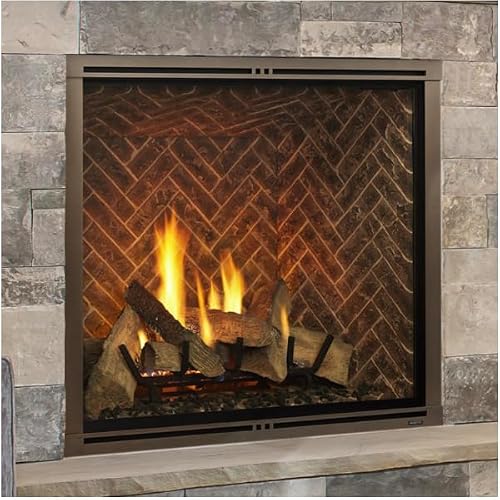
See Through Direct Vent Gas Fireplace: A Complete Guide
Discover the elegance and efficiency of a double-sided gas fireplace. Learn how a see-through direct vent system can transform two rooms simultaneously with realistic flames and optimal heating.
View Recommended ModelsWhy a See-Through Direct Vent Gas Fireplace? It offers the beauty of a traditional fireplace with modern convenience, providing a stunning visual focal point that can be enjoyed from two adjacent spaces, all while maintaining high energy efficiency and indoor air quality.
What Is a See-Through Direct Vent Gas Fireplace?
A see-through direct vent gas fireplace, also known as a double-sided or two-sided fireplace, is a modern heating appliance designed with a transparent firebox that allows you to enjoy the flames from two different rooms or spaces. Unlike traditional fireplaces that require a conventional chimney, a direct vent gas fireplace insert uses a sealed combustion system. This system draws outside air for combustion through a dedicated vent pipe and exhausts byproducts directly outdoors, eliminating the need for a traditional chimney and preventing indoor air quality issues.
This type of fireplace is an excellent choice for open-concept living areas, where it can serve as a beautiful room divider between a living room and a dining area, or between an indoor space and a covered patio. It combines the aesthetic appeal of a see-through design with the efficiency and safety of a direct vent system.
How Does a Direct Vent System Work?
Understanding the mechanics helps you appreciate the value of this investment. A direct vent system operates on a "sealed combustion" principle. Here’s a breakdown:
- Air Intake: A concentric vent pipe (a pipe within a pipe) pulls fresh air from outside the home for combustion. This avoids using the already-heated indoor air.
- Combustion Chamber: The gas is burned in a sealed firebox, which is completely isolated from the indoor environment.
- Exhaust: The combustion byproducts (like carbon monoxide and water vapor) are safely vented to the outside through the inner pipe of the vent system.
This process makes direct vent fireplaces highly efficient and safe. For a deeper dive into the differences, you can read our guide on Do You Need a Chimney or Vent for a Fireplace?.
Pros and Cons of a See-Through Direct Vent Gas Fireplace
Before making a decision, weigh the advantages and disadvantages to ensure it fits your home and lifestyle.
Advantages
- Dual-Room Enjoyment: One fireplace serves two spaces, making it a spectacular architectural feature.
- High Efficiency: Sealed combustion means minimal heat loss and high heating efficiency, often exceeding 80%.
- Improved Air Quality: No indoor air is used for combustion, and no fumes enter the room.
- Flexible Installation: Can be installed on interior or exterior walls, and some models are even approved for outdoor use.
- Convenience: Operated by a switch, remote, or thermostat, providing instant ambiance and heat.
Disadvantages
- Higher Initial Cost: Generally more expensive than single-sided or vent-free models due to complexity.
- Complex Installation: Requires a direct vent termination, which may involve exterior wall modifications.
- Space Considerations: The unit itself and the required clearances can take up significant wall space.
- Less Radiant Heat: While efficient, the sealed glass front may radiate less direct heat than a traditional wood-burning fireplace.
Design and Placement Ideas for Your Home
A see-through fireplace is a versatile design element. Here are some popular ways to incorporate one:
- Room Divider: Place it between a living room and a kitchen or dining room to create distinct zones while maintaining an open feel.
- Indoor-Outdoor Connection: Install a model rated for outdoor use on an exterior wall. This allows you to enjoy the fire from your living room and your patio simultaneously. This is similar to an indoor-outdoor see-through wood burning fireplace, but with gas convenience.
- Master Bedroom Suite: Create a luxurious retreat by placing a see-through unit between the bedroom and a sitting area or bathroom.
- Built-in Entertainment Center: Integrate the fireplace into a custom media wall. You can find inspiration in our guide on fireplace with built-ins on each side.
When designing, consider the surround materials. A contemporary stone fireplace surround can add a modern touch, while a reclaimed barn wood fireplace mantel can create a rustic feel.
Installation, Efficiency, and Maintenance
Installation Requirements
Installing a direct vent fireplace is a job for a certified professional. Key requirements include:
- Vent Termination: A direct path to an exterior wall for the vent pipe. The location must be clear of windows, doors, and air intakes.
- Gas Line: A dedicated gas line must be run to the unit. If you don't have one, you'll need a professional to install it. Read more about this in our article on Gas Fireplace Without a Gas Line?.
- Clearances: Strict clearance to combustibles (walls, floors, mantels) must be maintained as per the manufacturer's instructions.
For a comprehensive overview, see our Gas Fireplace Installation Requirements guide.
Efficiency & Heating Capacity
Direct vent gas fireplaces are known for their high efficiency, often ranging from 70% to over 90%. To determine if a model can heat your space, you need to consider its BTU output. Our guide on Heating Capacity Explained (BTU Guide) can help you calculate your needs.
Maintenance
Maintenance is minimal but important. Annual professional inspections are recommended to ensure the venting system is clear and the unit is operating safely. You should also regularly clean the glass and the burner. For detailed steps, refer to our Gas Fireplace Maintenance Guide and How to Clean Fireplace Glass.
How to Choose the Right See-Through Direct Vent Gas Fireplace
When selecting a model, consider these factors to ensure you make the best choice for your home:
- BTU Output & Heating Area: Match the BTU rating to the size of the combined space you wish to heat.
- Design & Frame: Choose a style that complements your décor. Options range from traditional to modern, linear designs. Consider a linear fireplace style for a contemporary look.
- Venting Configuration: Ensure the venting options (rear vent, top vent) work with your desired installation location.
- Features: Look for features like remote control, thermostat, variable flame height, and accent lighting.
- Safety Certifications: Ensure the model is certified by a recognized testing agency (e.g., CSA, UL).
For a broader perspective on what to look for, our main Fireplace Buying Guide is an excellent resource.
Frequently Asked Questions
Yes, depending on its BTU output and the size of the rooms. A high-efficiency unit with a blower can distribute heat effectively into both spaces. It's important to calculate the heating needs of both rooms combined to choose a model with sufficient capacity.
Absolutely. Direct vent fireplaces are considered one of the safest gas appliance options. Their sealed combustion chamber prevents any combustion byproducts from entering your home, and they do not consume indoor oxygen. Proper installation and annual maintenance are key to continued safety.
No, you do not need a traditional chimney. They require a direct vent pipe that goes horizontally through an exterior wall or vertically through the roof. This makes them suitable for homes without existing chimneys.
With proper maintenance, a high-quality direct vent gas fireplace can last 15 to 20 years or more. Regular inspections and cleaning are essential to maximize its lifespan, as detailed in our guide on fireplace lifespan.
No, installation of a gas appliance is not a DIY project. It requires specialized knowledge of gas lines, venting, and local building codes. It must be installed by a licensed professional to ensure safety and compliance. You can learn more about the differences in our article on DIY vs Professional Fireplace Installation.