Propane Heater Insert for Fireplace: The Ultimate Guide
Transform your inefficient open fireplace into a powerful, clean-burning heat source with a propane heater insert. Learn everything you need to know before you buy.
VIEW TOP RECOMMENDATIONSWhy Choose a Propane Insert? A propane heater insert is one of the most effective ways to upgrade an existing masonry or prefabricated fireplace. It offers high heating efficiency, precise temperature control, and the realistic look of a real fire—all without the mess of wood or the need for a traditional chimney.
What Is a Propane Heater Insert for a Fireplace?
A propane heater insert is a self-contained heating appliance designed to fit inside the opening of an existing fireplace. Unlike a simple set of gas logs, an insert is a sealed combustion unit that acts as a powerful space heater. It connects to a propane supply (either from a tank or a home's propane line) and uses a burner system to create a controlled, efficient flame.
The key difference between an insert and a traditional open fireplace is efficiency. An open wood-burning fireplace is notoriously inefficient, often sending up to 90% of its heat straight up the chimney. A propane insert, on the other hand, is engineered to capture that heat and distribute it into the room, often achieving efficiency ratings of 70% to 90%. This makes it a true heating appliance, not just a decorative feature. For a broader understanding of how inserts compare to other options, see our guide on wall-mounted vs insert vs freestanding fireplaces.
Key Benefits of a Propane Fireplace Insert
High Heating Efficiency
Propane inserts are designed to maximize heat output. Many models are rated as high-efficiency, converting a significant portion of the fuel into usable heat for your home, which can help lower overall heating costs.
Convenient and Clean
No more hauling firewood, dealing with ash, or cleaning up soot. A propane insert turns on with a switch or remote, providing instant ambiance and heat without any of the mess associated with wood-burning.
Consistent, Controllable Heat
With a thermostat or remote control, you can precisely manage the flame height and heat output. This allows you to maintain a comfortable room temperature without the wild fluctuations of a wood fire.
Improved Safety
Modern propane inserts are sealed combustion systems. They draw air from outside for combustion and vent exhaust gases directly outdoors, which improves indoor air quality and reduces the risk of backdrafts. For more on safety, read about carbon monoxide signs from fireplaces.
Realistic Flame Appearance
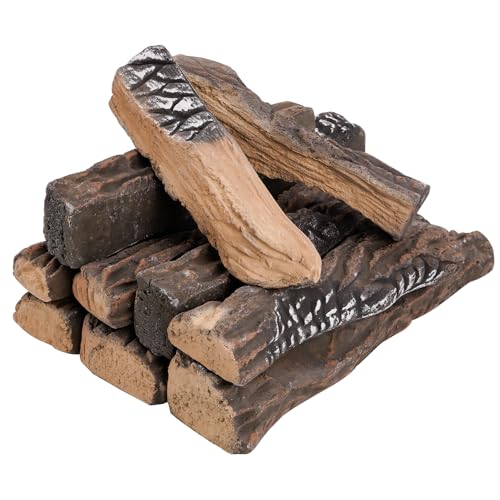
Today's propane inserts feature incredibly realistic flames, glowing embers, and detailed log sets. Many look indistinguishable from a real wood fire, providing the aesthetic you want with the convenience you need. You can enhance the look with a driftwood log set for a gas fireplace.
Energy Independence
During a power outage, many propane inserts can continue to operate, providing a reliable source of heat when you need it most. This makes them an excellent choice for emergency preparedness.
Types of Propane Fireplace Inserts
When choosing a propane heater insert, you'll primarily decide between two venting options. Each has distinct advantages and installation requirements.
Vented Propane Inserts
These models require a chimney liner or a direct vent pipe to exhaust combustion byproducts outside. They are highly efficient and offer the most realistic flame. A direct vent system uses a dual-pipe design to pull in outside air for combustion and expel exhaust, eliminating the need for a traditional chimney. For more details, see our article on direct vent gas fireplace inserts with blower.
Ventless (Vent-Free) Propane Inserts
Ventless inserts are designed to burn fuel so cleanly that they can vent directly into the room. They are nearly 100% efficient, as all the heat stays in your home. However, they require a larger room with adequate ventilation and may not be legal in all areas. They are a popular choice for their ease of installation. You can learn more with our guide to ventless gas heaters with a thermostat.
Pros and Cons of Propane Heater Inserts
Advantages
- Extremely high heating efficiency
- Clean, convenient, and easy to operate
- Precise temperature control with thermostats and remotes
- Realistic flame appearance
- Can operate during power outages
- No wood, no ash, no mess
Disadvantages
- Requires a propane fuel source (tank or line)
- Professional installation is recommended
- Ventless models have strict room size and ventilation requirements
- Higher upfront cost compared to a wood-burning fireplace
- May require a chimney liner for vented models
How to Choose the Right Propane Heater Insert
Selecting the perfect insert involves more than just finding one that fits. You need to consider your heating needs, the size of your space, and your venting options.
The most critical factor is heating capacity, measured in BTUs (British Thermal Units). An insert that is too small won't effectively heat your space, while one that is too large will cycle on and off inefficiently. As a general rule, you need roughly 20 BTUs for every square foot of living space in a moderately insulated home. For a detailed calculation, see our heating capacity BTU guide. You also need to measure your existing fireplace opening carefully to ensure the insert will fit. Our fireplace sizing worksheet can help. For a full overview of the purchase process, refer to our fireplace buying guide.
Another key consideration is the efficiency rating. Higher-efficiency models will cost more upfront but will save you money on fuel over time. You should also consider features like remote control, thermostat, and a blower fan. A fireplace blower fan is essential for distributing heat effectively into the room. Finally, consider the overall cost, including the unit and professional installation. Our article on the cost of a gas fireplace insert and installation provides a helpful breakdown.
Installation and Maintenance Essentials
Installing a propane heater insert is a job for a qualified professional, such as a certified gas technician or chimney sweep. They will ensure the unit is properly connected to your propane line, vented correctly (if required), and installed with the correct clearances to combustibles.
Regular maintenance is key to ensuring your insert operates safely and efficiently for years. An annual inspection by a professional is highly recommended. This includes checking the burner, the venting system, and the safety controls. For a complete checklist, see our annual fireplace inspection guide. You can also perform simple tasks yourself, like cleaning the glass and the burner area. Our guides on how to clean fireplace glass and how to clean a gas fireplace burner can help. Always follow the manufacturer's instructions in your owner's manual.
Frequently Asked Questions
Ready to upgrade your fireplace? Explore our top-rated recommendations below and find the perfect propane heater insert for your home.