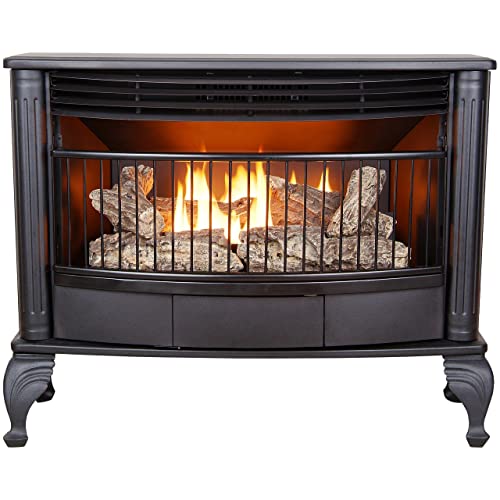
Propane Fireplace with Blower and Thermostat
The Ultimate Guide to Efficient, Controllable Home Heating
For homeowners seeking a perfect balance of ambiance, efficiency, and convenience, a propane fireplace with blower and thermostat represents the pinnacle of modern heating technology. Unlike traditional wood-burning fireplaces that require constant attention, or basic gas models with limited control, a propane unit equipped with both a blower fan and a thermostat transforms your fireplace into a fully automated, highly efficient heating appliance.
This comprehensive guide will walk you through everything you need to know about these advanced heating systems. Whether you are considering a ventless propane fireplace for a new installation or exploring options for converting a wood-burning fireplace to propane, understanding the role of these key components is essential for making an informed decision.
What Is a Propane Fireplace with a Blower and Thermostat?
A propane fireplace with a blower and thermostat is a sophisticated heating system that combines three key elements:
- Propane Fuel Source: Propane (also known as LPG or liquid propane gas) is a clean-burning, highly efficient fuel that produces a beautiful, realistic flame. Unlike natural gas, propane is available in rural areas without gas lines, often stored in an external tank or cylinder.
- Blower Fan: The blower is a fan mechanism that actively circulates heated air from the firebox into your room. Without a blower, much of the heat generated by a gas fireplace can be lost up the chimney or trapped near the unit. A blower dramatically improves heating efficiency and distribution.
- Thermostat: A thermostat allows you to set a desired temperature for your room. The fireplace will automatically turn on or off (or adjust flame height in more advanced models) to maintain that temperature, providing consistent comfort without constant manual adjustment.
Together, these components create a fireplace that is not just a decorative focal point but a genuinely effective supplemental heating source. For those considering a gas fireplace insert with blower and thermostat, the same principles apply, though inserts are designed to fit into existing masonry fireplaces.
How Does the Blower Improve Performance?
The blower, sometimes referred to as a fan or air circulation system, is a game-changer for fireplace efficiency. Here's how it works:
- Air Intake: The blower draws cool air from the room into a heat exchange chamber surrounding the firebox.
- Heating: As the air passes through the heat exchanger, it is warmed by the fire.
- Distribution: The blower then pushes the heated air out into the room, typically through vents at the front or top of the unit.
Without a blower, a gas fireplace relies on natural convection, which is far less effective at distributing heat. The fireplace blower fan guide explains how these systems can increase heating efficiency significantly.
A blower is especially important for larger rooms or open-concept spaces where heat needs to travel further. It also helps reduce hot and cold spots, creating more even temperatures throughout the space. If you're experiencing issues, see our guide on fireplace blower fan not working.
The Role of the Thermostat
A thermostat adds a layer of automation and precision to your fireplace. Instead of manually adjusting the flame, you set your desired temperature on a wall-mounted or remote control.
When the room temperature drops below the set point, the fireplace ignites. When the desired temperature is reached, it modulates the flame or turns off completely. This on-demand operation not only ensures consistent comfort but also prevents energy waste.
For those interested in more advanced control, a smart Wi-Fi fireplace controller can allow you to manage your fireplace from your smartphone. If you encounter issues with temperature regulation, our guide on fireplace thermostat issue can help troubleshoot common problems.
Key Benefits of This Heating Solution
🔥 High Efficiency
The combination of propane fuel and a blower results in high heat output with minimal waste. Many models achieve efficiency ratings well above traditional wood fireplaces.
🌡️ Consistent Comfort
The thermostat maintains your desired temperature, eliminating the constant up-and-down fluctuations of manual operation.
💡 Convenience
No wood to haul, no ashes to clean. Just flip a switch or press a button for instant, reliable heat. Learn more about energy saving tips.
💨 Flexible Installation
Propane models are ideal for areas without natural gas lines. Many are vent-free or vented, offering flexibility for various home layouts.
Choosing the Right Propane Fireplace for Your Home
Selecting the right unit involves several considerations. First, determine whether you need a vented or ventless model. Ventless units are highly efficient but require proper room size and ventilation. Vented models, while losing some heat up the flue, offer superior air quality and are often required for certain installations.
Next, consider the heating capacity. A fireplace heating capacity (BTU) guide can help you determine the right size for your space. For smaller rooms, a small electric fireplace heater with thermostat might be a simpler alternative, but for robust heating, propane is unmatched.
Installation requirements are another key factor. Unlike a simple plug-and-play electric fireplace, propane units require a fuel connection and often professional installation. Always check local codes and consult a professional.
Installation and Maintenance Essentials
Proper installation is critical for safety and performance. A propane fireplace must be installed by a qualified technician who can handle gas line connections and venting requirements. If you're considering a DIY approach, read our guide on DIY vs. professional fireplace installation.
Regular maintenance is equally important. This includes annual inspections, cleaning the blower and glass, and checking the thermostat and ignition system. Our gas fireplace maintenance guide provides a detailed checklist. For specific issues, such as a gas fireplace that won't light, always refer to troubleshooting resources.
Safety should always be the top priority. Ensure your home has working carbon monoxide detectors and follow all manufacturer guidelines. For more information, see our article on carbon monoxide signs from fireplace.
Frequently Asked Questions
Can a propane fireplace with a blower heat an entire house?
While a single unit is typically designed for zone heating, a powerful model with a blower can effectively heat large areas. For whole-home heating, it is best used as a supplemental source. See can a fireplace heat an entire house.
Is a ventless propane fireplace safe?
Yes, when installed and operated correctly. Ventless models are designed to burn fuel cleanly, but they do release some moisture and CO2. Proper sizing and adherence to clearance requirements are essential. Learn more about ventless fireplace logs.
How often should I service my propane fireplace?
An annual professional inspection is recommended. Regular cleaning of the glass and blower can be done by the homeowner. Refer to our fireplace service frequency guide.