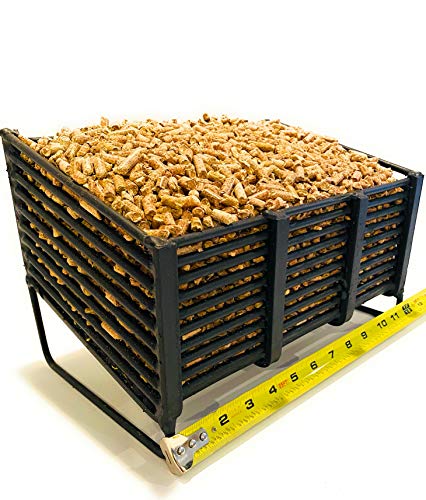
Pellet Burning Insert for Fireplace: The Ultimate Guide
Transform your existing fireplace into a high-efficiency heating powerhouse. Learn everything you need to know about pellet burning inserts, from efficiency ratings and installation requirements to maintenance and top model recommendations.
View Recommended ModelsWhy Consider a Pellet Burning Insert? If you have an existing masonry or factory-built fireplace that currently loses more heat than it produces, a pellet burning insert is one of the most effective upgrades you can make. These units are designed to fit directly into your fireplace opening, converting an inefficient open hearth into a controlled, high-output heating appliance that can warm your entire home.
What Is a Pellet Burning Insert for a Fireplace?
A pellet burning insert is a specialized heating appliance engineered to be installed inside the firebox of an existing fireplace. Unlike traditional wood-burning inserts that require manual log loading, pellet inserts use compressed wood pellets as fuel, stored in a hopper and automatically fed into the combustion chamber via an auger system.
This automated feeding mechanism is what sets pellet inserts apart from conventional wood inserts. You simply fill the hopper, set your desired temperature on the thermostat, and the unit handles the rest—igniting, feeding, and maintaining the fire with remarkable consistency. For homeowners who want the ambiance of a real fire without the constant tending, a pellet burning insert offers a compelling middle ground.
Understanding how this technology fits into the broader landscape of heating options is essential. If you are still exploring different fuel types, our guide on types of fireplaces explained provides a comprehensive overview that can help you compare pellet inserts against electric, gas, and traditional wood alternatives.
How Does a Pellet Burning Insert Work?
The operation of a pellet insert is elegantly simple yet highly efficient. Here is the step-by-step process:
- Fuel Storage: Wood pellets are loaded into a hopper, typically holding between 20 and 60 pounds depending on the model.
- Automatic Feeding: An auger mechanism automatically delivers pellets from the hopper into the burn pot at a controlled rate.
- Ignition: Most modern units feature automatic ignition, which uses a heating element to light the pellets.
- Combustion: A combustion blower forces air into the burn pot, creating a hot, efficient flame with minimal emissions.
- Heat Exchange: The hot exhaust gases pass through a heat exchanger, transferring warmth to the room air circulated by a convection blower.
- Exhaust Venting: Combustion gases are vented outside through a small pipe, either horizontally through a wall or vertically through an existing chimney.
This automated cycle means you can enjoy consistent heat for 12 to 24 hours on a single hopper fill, depending on the burn rate and the model's capacity. The efficiency gains compared to a traditional open fireplace are substantial—open fireplaces typically operate at around 10% efficiency, while pellet inserts can achieve 70% to 85% efficiency.
Key Benefits of a Pellet Burning Insert
🔥 High Efficiency
70–85% efficiency ratings mean more heat stays in your home and less escapes up the chimney.
♻️ Eco-Friendly
Wood pellets are a renewable biomass fuel, often made from reclaimed sawdust and agricultural byproducts.
🤖 Automated Operation
Thermostat controls and automatic feeding let you set it and forget it for hours of consistent warmth.
💨 Clean Burning
Low particulate emissions meet strict EPA standards, making pellet inserts a responsible choice.
💰 Cost-Effective Heating
Pellets are often a more economical heating fuel compared to propane or electricity in many regions.
🏠 Whole-Home Potential
A properly sized pellet insert can supplement or even replace central heating in well-insulated homes.
Pros and Cons of Pellet Burning Inserts
✔ Advantages
- Significantly higher efficiency than open fireplaces
- Automated fuel feeding and thermostat control
- Cleaner burning with less creosote buildup
- Renewable and often locally sourced fuel
- Consistent, reliable heat output
- Can be installed in existing fireplaces with minimal modification
- Eligible for federal tax credits in many cases
✘ Disadvantages
- Requires electricity to operate blowers and auger
- Need for pellet storage space and regular refilling
- Higher upfront investment than some alternatives
- Requires regular cleaning and maintenance
- Noise from blowers and auger motor
- Less flame ambiance than a traditional wood fire
- Dependent on pellet availability in your area
Pellet Insert vs. Other Fireplace Options
To help you make an informed decision, here is a comparison of pellet burning inserts against other popular fireplace and heating solutions:
| Feature | Pellet Insert | Wood Insert | Gas Insert | Electric Insert |
|---|---|---|---|---|
| Efficiency | 70–85% | 60–80% | 70–90% | 99–100% |
| Fuel Type | Wood Pellets | Cordwood | Natural Gas / Propane | Electricity |
| Automation | High | Low | High | High |
| Venting Required | Yes (small pipe) | Yes (chimney liner) | Yes (vent) | No |
| Installation Complexity | Moderate | High | Moderate | Low |
| Maintenance Level | Moderate | High | Low | Very Low |
| Ambiance | Real Flame | Real Flame | Realistic Flame | LED Flame |
For a deeper dive into how fuel types compare, explore our detailed electric vs gas vs wood fireplace comparison. If you are specifically weighing the convenience of electric against the authentic flame of combustion, the electric vs wood fireplace guide offers valuable insights.
Sizing Your Pellet Burning Insert: BTU and Room Fit
Choosing the right size pellet insert is critical for both comfort and efficiency. An undersized unit will struggle to heat your space, while an oversized one will cycle on and off frequently, wasting fuel and causing temperature swings.
Pellet inserts are rated in BTUs (British Thermal Units) per hour. As a general guideline:
- Small Rooms (up to 500 sq ft): Look for units rated around 20,000–30,000 BTU.
- Medium Rooms (500–1,000 sq ft): A 30,000–40,000 BTU unit is typically appropriate.
- Large Rooms (1,000–1,500 sq ft): Consider 40,000–50,000 BTU.
- Whole-Home Supplement (1,500+ sq ft): High-output models in the 50,000–60,000+ BTU range may be needed.
These are rough estimates. Factors such as ceiling height, insulation quality, window area, and climate zone all influence heating requirements. For a more precise calculation, consult our heating capacity BTU guide. If your home has an open-concept layout, the fireplace sizing for open concept rooms article provides specialized guidance.
Additionally, make sure to measure your existing fireplace opening carefully. The insert must fit within the firebox with adequate clearance for venting and blower operation. A professional installer can help you confirm fitment before purchase.
Installation Requirements and Considerations
Installing a pellet burning insert is more involved than simply placing a freestanding unit. Here are the key factors to consider:
1. Venting
Pellet inserts require a dedicated vent pipe, typically 3 to 4 inches in diameter. This can be routed horizontally through an exterior wall or vertically up through the existing chimney. A vertical installation with a proper chimney liner is often preferred because it provides better draft and allows for more flexible placement.
2. Clearances
Manufacturers specify minimum clearances to combustible materials—walls, mantels, and hearth extensions. These clearances must be strictly followed to prevent fire hazards. In some cases, a hearth pad or thermal barrier may be required.
3. Electrical Supply
Pellet inserts need electricity to power the auger, blowers, and control board. Most models plug into a standard 120V outlet, but you should ensure an outlet is available near the fireplace. A surge protector is highly recommended.
4. Professional vs. DIY
While some homeowners with strong DIY skills may attempt installation, professional installation is strongly recommended for safety, code compliance, and warranty validity. Improper venting can lead to carbon monoxide buildup, a serious health hazard. Our DIY vs professional fireplace installation guide can help you weigh the pros and cons.
For a broader overview of installation steps that apply to various insert types, see the fireplace installation guide overview. If you are specifically converting from an older wood-burning setup, the article on installing a fireplace insert into an existing fireplace is a valuable resource.
Efficiency Ratings and Long-Term Value
Pellet burning inserts are among the most efficient solid-fuel heating appliances available. Their high efficiency stems from two key design features:
- Controlled Combustion: By precisely regulating the air-to-fuel ratio, pellet inserts achieve near-complete combustion, extracting far more heat from each pound of fuel than a traditional fireplace.
- Heat Exchanger and Blower: The heat exchanger captures heat from the exhaust gases, and the convection blower distributes it into the room rather than letting it escape up the chimney.
While the upfront cost of a pellet insert is higher than that of a simple electric log set, the long-term savings on fuel can be substantial, especially in regions where heating oil, propane, or electricity are expensive. To explore how different fireplace types compare in terms of ongoing operational expenses, refer to our guides on electric vs gas running costs and which fireplace saves money long-term.
It is also worth noting that high-efficiency biomass heating appliances may qualify for federal tax credits or local incentives, which can offset a portion of the initial investment. Check with a tax professional or energy advisor for details specific to your situation.
Maintenance and Troubleshooting
Like any heating appliance, pellet inserts require regular maintenance to operate safely and efficiently. Here is a basic maintenance schedule:
Daily / Weekly Tasks
- Empty the ash pan (frequency depends on usage and pellet quality)
- Scrape the burn pot to remove clinker buildup
- Check the hopper and refill with pellets
- Wipe down the glass door (when cool) to remove soot
Monthly / Seasonal Tasks
- Clean the heat exchanger tubes with the provided brush
- Inspect and clean the exhaust venting system
- Check door gaskets for wear and replace if needed
- Vacuum the interior of the firebox and around the blowers
- Inspect the auger and burn pot for damage or obstruction
- Schedule a professional inspection and cleaning annually
Common issues with pellet inserts include failure to ignite, weak flame, excessive noise, and blower malfunctions. Many of these can be resolved with basic troubleshooting, such as cleaning the burn pot, checking the hopper for pellet bridging, or resetting the control board. For more detailed troubleshooting, our fireplace troubleshooting hub covers a wide range of issues. If your blower is not working properly, the guide on fireplace blower fan not working may help. For general maintenance best practices that apply across fireplace types, see the fireplace maintenance section.
What to Look for in a Pellet Burning Insert
When shopping for a pellet insert, consider these key features:
- Efficiency Rating: Look for units with EPA certification and high efficiency ratings (70%+).
- Hopper Capacity: Larger hoppers mean longer burn times between refills. A 40–60 lb hopper can provide 12–24 hours of heat.
- BTU Output: Match the output to your room size and heating needs.
- Ignition Type: Automatic ignition adds convenience but requires electricity.
- Thermostat Compatibility: A programmable thermostat allows for precise temperature control and energy savings.
- Blower and Heat Exchanger: A powerful convection blower and efficient heat exchanger maximize heat distribution.
- Noise Level: Some units are quieter than others. Read reviews or listen to a demo if possible.
- Build Quality: Look for heavy-gauge steel construction and quality components.
- Warranty: A robust warranty (5–10 years on major components) indicates manufacturer confidence.
- Availability of Parts and Service: Choose a brand with a good reputation for customer support and readily available replacement parts.
For a broader perspective on what to consider when buying any fireplace insert, the fireplace buying guide is an excellent companion resource. If you are new to fireplace ownership in general, the what is a fireplace beginner guide provides helpful foundational knowledge.
Understanding Pellet Insert Tiers: Entry-Level to Premium
Pellet burning inserts are available across a range of quality and feature tiers. While we do not quote specific prices, understanding these tiers helps you set expectations and make a choice aligned with your needs.
| Tier | Typical Characteristics | Best For |
|---|---|---|
| Entry-Level | Basic manual controls, smaller hopper, standard blower, simpler construction | Budget-conscious buyers, occasional use, smaller spaces |
| Mid-Range | Programmable thermostat, larger hopper, quieter operation, better heat exchanger, improved build quality | Primary supplemental heat, daily use, medium to large rooms |
| Premium | Advanced digital controls, Wi-Fi connectivity, auto-clean features, ultra-quiet blowers, superior efficiency, premium materials | Whole-home heating, maximum convenience, long-term investment |
As a general rule, mid-range models tend to offer the best balance of features, reliability, and value for most homeowners. Entry-level units can be a good starting point for those new to pellet heating, while premium models cater to users who prioritize convenience and top-tier performance.
Frequently Asked Questions
Final Thoughts: Is a Pellet Burning Insert Right for You?
A pellet burning insert is an excellent choice for homeowners who want to upgrade an inefficient fireplace into a reliable, high-output heating source with minimal manual effort. The combination of high efficiency, automated operation, and renewable fuel makes pellet inserts a compelling option for both primary and supplemental heating.
If you value convenience, consistent heat, and eco-friendly operation, a pellet insert is likely a great fit. If you prefer the traditional crackle and ambiance of a wood fire with no electricity dependency, a wood insert might be more suitable. And if you want the ultimate in convenience with no venting, an electric insert could be the answer. For a decision-making framework, see which fireplace is right for your home.
Ready to Explore Pellet Burning Inserts?
Browse our curated selection of highly-rated pellet inserts below. These models are chosen for their efficiency, reliability, and customer satisfaction.
View Recommended ModelsBefore making a final decision, consider your budget, heating needs, and local availability of pellets and service technicians. A well-chosen pellet insert can provide years of comfortable, efficient warmth.