Loft Fireplace Ideas: Transforming Your Space
A loft is a unique space, often defined by its open plan, sloping ceilings, and abundant light. Adding a fireplace here presents both opportunities and challenges, from venting to placement. This guide provides complete loft fireplace ideas, helping you navigate the unique aspects of installing a fireplace in an attic or loft conversion.
Key Takeaway: A loft fireplace is more than just a heat source; it's a focal point that can define your space. The key to success lies in understanding ventilation constraints and choosing a unit that suits the room's unusual proportions.
1. The Unique Character of a Loft and Why It Demands a Special Approach
A loft is not just another room. Its architectural DNA—open plan, vaulted or sloped ceilings, exposed beams, and large windows—creates a dramatic backdrop. However, these same features influence the type of fireplace you can use. Standard wall-mounted units may struggle for wall space, while traditional chimneys might be impossible to add. Understanding these limitations is the first step toward selecting the right fireplace. A successful design often hinges on finding a model that complements the height and openness of the space, perhaps using a [modern, linear electric fireplace](/linear-electric-fireplace) to accentuate the room's clean lines. For those looking for a broader range of design inspiration, exploring general [indoor fireplace ideas](/indoor-fireplaces) can spark further creativity before you commit to a loft-specific solution.
2. Choosing the Best Fireplace Type for a Loft
Not all fireplaces are created equal, especially when it comes to the constraints of a loft. Here's how the main types compare:
Electric Fireplaces
Best for: Most lofts. They are the most practical choice due to their plug-and-play nature.
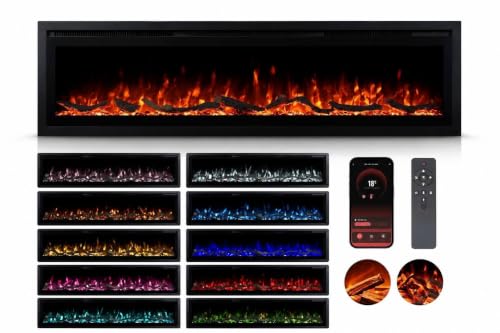
Why: No venting required. A simple plug into a standard outlet is all you need. They offer unmatched flexibility in placement—on a wall, in a media console, or even freestanding. You can find highly realistic models, including the [most realistic electric fireplace](/most-realistic-electric-fireplace) options with crackling sound and advanced flame effects. For a sleek, modern look, a [linear electric fireplace](/linear-electric-fireplace) is an excellent choice.
Gas Fireplaces
Best for: Lofts with an existing chimney or a direct vent path to the outside.
Why: They produce a real flame and significant heat. However, installation is complex. You need to plan for [venting requirements for a gas fireplace](/venting-requirements-for-gas-fireplace), which may involve running a flue through the roof or a side wall. A ventless model is an option, but you must verify local codes and ensure proper [ventless fireplace safety](/ventless-fireplace-safety) measures.
Wood Burning Fireplaces
Best for: Rarely suitable for lofts unless a chimney already exists.
Why: The installation of a new chimney system is often prohibitively expensive and structurally challenging. If you are set on wood, you might explore [installing a wood stove in an existing fireplace](/installing-a-wood-stove-in-an-existing-fireplace) that may already be in the loft.
Ethanol Fireplaces
Best for: A stylish, low-heat decorative element in a loft.
Why: They are ventless and require no installation. An [ethanol fireplace insert](/ethanol-fireplace-insert) can be a beautiful, eco-friendly addition. They provide ambiance rather than primary heat, so they are perfect for a loft used as a lounge or bedroom.
3. Sizing and Placement: Key Considerations for Loft Spaces
Sizing a fireplace for a loft involves more than just room volume. The height and openness of the space can make standard BTU calculations less accurate. For a more reliable approach, use our [fireplace heating capacity BTU guide](/fireplace-heating-capacity-btu-guide) and adapt it to the loft's unique geometry. If you are using a fireplace as a secondary heat source, our guide on [zone heating with a fireplace](/zone-heating-with-fireplace) is essential reading to optimize efficiency.
Placement is equally critical. A fireplace can be used to create a natural division in an open plan loft. For instance, a freestanding unit can separate a bedroom area from a living space. If you're considering a media wall, a [modern TV stand with a fireplace](/modern-tv-stand-with-fireplace) can be a space-saving solution. For those wanting to break up the space further, a [wall-mounted fireplace TV stand](/wall-mounted-fireplace-tv-stand) with integrated storage is a smart, functional choice. If you prefer a more traditional look, exploring [white fireplace ideas](/white-fireplace-ideas) can help you integrate the unit seamlessly into a lighter, brighter loft scheme. A loft is a perfect place for an [indoor-outdoor fireplace idea](/indoor-outdoor-fireplace-ideas) if it opens onto a roof terrace.
4. Venting Options for Loft Fireplaces
Venting is the single most important technical decision. The most straightforward solution is a ventless electric unit, which requires no flue or chimney. For gas, you must explore [venting options for a gas fireplace](/venting-options-for-gas-fireplace). A direct vent system, which pulls air from outside and exhausts fumes directly outside, is often the most viable for a loft. This requires careful planning, as the vent must be run through an exterior wall or the roof. Always consult a professional to assess the [fireplace ventilation requirements](/fireplace-ventilation-requirements) for your specific loft layout. If you're considering a propane unit, be sure to review the [venting requirements for a propane fireplace](/venting-requirements-for-propane-fireplace).
5. Design and Maintenance Tips for Your Loft Fireplace
Once installed, the right design details make your fireplace truly belong. For a rustic or industrial loft, a [stone fireplace](/stone-fireplace) or a [cast-iron fireplace](/cast-iron-fireplace-maintenance) can look incredible. If you need to integrate a TV, our guide to [TV above fireplace safety](/tv-above-fireplace-safety) is essential to follow. You can also explore [living room decor ideas with a fireplace](/living-room-decor-ideas-fireplace) for inspiration on styling the surrounding area.
Maintenance is simple for electric models. Regular cleaning, as detailed in our [electric fireplace maintenance](/electric-fireplace-maintenance) guide, will keep it looking new. For gas units, consider an annual [gas fireplace inspection](/gas-fireplace-inspection). If you ever notice an issue like [gas fireplace won't light](/gas-fireplace-wont-light) or a [fireplace making noise](/fireplace-making-noise), address it promptly. For those who love a good DIY project, exploring [DIY fireplace ideas](/diy-fireplace-makeover) can be a great way to add a personal touch. A [DIY faux fireplace](/diy-faux-fireplace) can also be a great way to add ambiance without a major installation.
Frequently Asked Questions About Loft Fireplaces
What is the best type of fireplace for a loft?
An electric fireplace is generally the best choice for a loft due to its ease of installation and flexibility. It requires no venting, only a standard electrical outlet. Gas fireplaces are possible if you have a viable venting path, but they are more complex and costly to install.
Do I need a chimney for a fireplace in a loft?
It depends on the type. Electric and ethanol fireplaces do not require a chimney. However, wood-burning and most gas fireplaces do need a chimney or a direct vent system. You can learn more in our guide on whether [you need a chimney or vent for a fireplace](/do-you-need-chimney-or-vent-fireplace).
How do I size a fireplace for a loft?
Sizing is based on the room's volume and insulation quality. While a standard BTU calculator can provide a baseline, the high ceilings of a loft often require a slightly more powerful unit. You can use our [fireplace heating capacity BTU guide](/fireplace-heating-capacity-btu-guide) to get a better estimate.
Can I install a gas fireplace in a loft without a chimney?
Yes, a ventless or vent-free gas fireplace is an option. However, you must check local building codes, as they are not permitted in all areas, especially in bedrooms. A direct vent model is a safer and more widely approved alternative, but it requires running a vent through an exterior wall or roof.