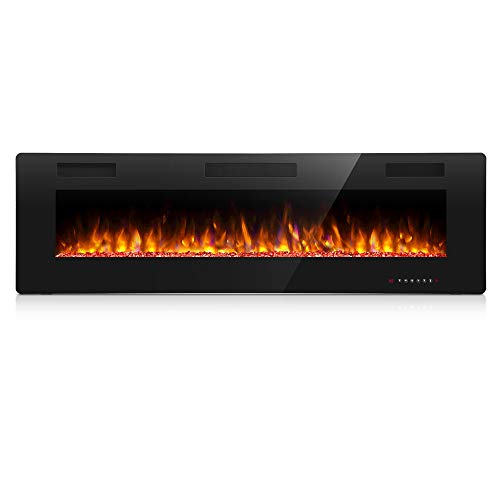
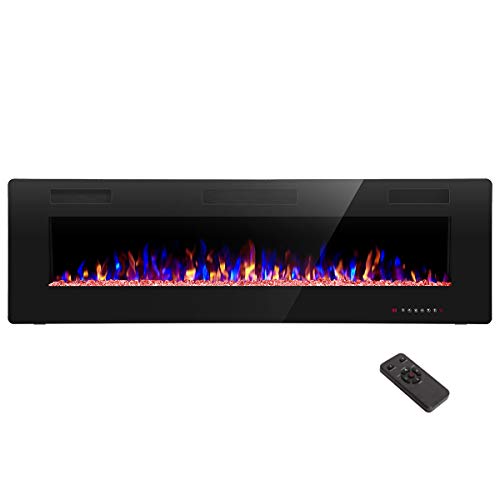
Installing Electric Fireplace in Wall: A Complete Guide
Learn how to safely recess an electric fireplace into your wall with step-by-step instructions, wiring tips, framing techniques, and professional finishing advice.
Start the Installation GuideWhy This Guide Matters: A properly installed in-wall electric fireplace can transform a room, add supplemental heat, and boost home value. This guide walks you through every stage, from planning and measuring to wiring, framing, and the final reveal, so you can complete the job with confidence.
Why Choose an In-Wall Electric Fireplace?
Wall-mounted and recessed electric fireplaces have surged in popularity because they combine the ambiance of a traditional fireplace with the simplicity of plug-and-play installation. Unlike gas or wood-burning units, an electric fireplace does not require venting, chimneys, or gas lines. This makes it an ideal choice for apartments, basements, and any room where structural modifications are limited. If you are still comparing options, our guide on different types of electric fireplaces can help you decide which style suits your space.
The key advantage of an in-wall installation is the seamless, built-in look. A recessed fireplace sits flush with the wall, creating a focal point without consuming floor space. This is especially valuable in smaller rooms where every square foot counts. For a deeper look at how electric models stack up against alternatives, see our electric vs gas vs wood comparison.
Planning Your Installation: Location and Measurements
Before you pick up a single tool, spend time planning the location. Choose a wall that is easily visible, has access to power, and can accommodate the unit's dimensions plus clearance. A stud finder is essential here: you need to know where your wall studs, wiring, and plumbing run. Cutting into a stud cavity without checking is a recipe for expensive repairs.
Measure the fireplace's cutout dimensions carefully. Most manufacturers provide a template or spec sheet. Remember that the rough opening must be slightly larger than the unit to allow for adjustments. Also consider the viewing height: a fireplace mounted at eye level or slightly below is generally the most comfortable. If you plan to mount a TV above it, check our guide on TV above fireplace safety first.
Think about the power source. If an outlet is nearby, a plug-in model simplifies the job. If not, you may need to run a new circuit or hire an electrician. Hardwired models offer a cleaner look but require more electrical work. Our article on plug-and-play electric fireplace installation covers the simpler alternative in more detail.
Tools and Materials You Will Need
Gather these before you start to avoid mid-project trips to the hardware store:
- Stud finder to locate framing and avoid hidden utilities.
- Drywall saw for clean cuts through plasterboard.
- Drill and driver bits for pilot holes and screws.
- Level to ensure the fireplace sits straight.
- Measuring tape and pencil for marking the cutout.
- Wire nuts and electrical tape if you are hardwiring.
- Fish tape for routing wires through the wall.
- Voltage tester to confirm power is off.
- Safety glasses and dust mask for protection.
- Framing lumber if you need to build a support structure.
Step-by-Step Installation Process
Step 1: Shut Off Power and Prepare the Area
Turn off the circuit breaker that controls the outlets in the room. Use a voltage tester to confirm the power is off. Clear the area of furniture and cover the floor with a drop cloth to catch drywall dust. This is also a good time to review your unit's manual for any model-specific instructions.
Step 2: Mark and Cut the Opening
Using the manufacturer's template or your measurements, mark the cutout on the wall. Double-check with a level. Cut along the lines with a drywall saw, starting at a corner. If you encounter a stud, stop and reassess; you may need to shift the location or add framing. Remove the cut drywall carefully and set it aside.
Step 3: Inspect the Cavity and Add Framing
With the wall open, inspect for wires, pipes, or insulation. If the cavity is too shallow, you may need to build a frame that extends into an adjacent closet or use a slimmer unit. For most installations, adding horizontal blocking between studs provides a solid mounting surface. This is also the time to run any new electrical cable if you are hardwiring.
Step 4: Wire the Fireplace
If your model is plug-in, simply route the cord to the nearest outlet. For hardwired units, connect the supply wires to the fireplace's junction box following the manufacturer's diagram. Typically this involves matching black to black (hot), white to white (neutral), and green or bare copper to ground. Secure connections with wire nuts and tuck them neatly into the box. If you are unsure, consult a licensed electrician. Our article on DIY electric fireplace projects offers additional context.
Step 5: Insert and Secure the Fireplace
With a helper, lift the fireplace into the opening. Check that it is level and flush with the wall. Most units have mounting flanges or brackets that screw into the framing. Secure these with the provided screws. Avoid over-tightening, which can crack the frame or damage the finish.
Step 6: Finish the Surround
Once the unit is secure, you can finish the wall around it. Options include drywall patches, trim, tile, or a custom surround. If you are tiling, use a non-combustible backer board if required by the manufacturer. For inspiration, see our ideas on DIY fireplace surround for electric fireplace. Caulk and paint as needed for a clean look.
Step 7: Test and Enjoy
Restore power and test the fireplace. Check the flame effect, heater, and remote control. Let it run for 15–20 minutes to ensure everything works and no strange odors persist. Once satisfied, sit back and enjoy your new focal point.
Safety Considerations and Building Codes
Electrical work carries inherent risks. Always turn off power at the breaker before working on wiring. If your home uses aluminum wiring or you are unsure about your electrical system, hire a professional. Local building codes may require a permit for new circuits or structural modifications; check with your municipality before starting. Our guide on fireplace permit requirements can point you in the right direction.
Maintain the clearances specified by the manufacturer. Even zero-clearance units need space for airflow. Do not block vents. If you are mounting a TV above the fireplace, ensure the mantel or shelf deflects heat away from the electronics. For more details, see TV above fireplace safety.
Finally, consider a dedicated circuit for the fireplace. Electric fireplaces can draw 1500 watts or more, and sharing a circuit with other high-draw appliances may trip the breaker. Our article on electric fireplace tripping breaker explains how to diagnose and prevent this issue.
Maintenance After Installation
Electric fireplaces are relatively low-maintenance, but a little care extends their life. Dust the exterior and vents regularly. Clean the glass front with a soft cloth and mild cleaner; avoid abrasive products. Once a year, inspect the wiring and plug for signs of wear. Our electric fireplace maintenance guide covers this in detail. If you notice the flame effect flickering or the heater not working, consult our flame troubleshooting guide or heating troubleshooting guide.
For seasonal care, see our seasonal maintenance checklist.
Frequently Asked Questions
Can I install an electric fireplace in any wall?
Not every wall is suitable. You need a wall with enough depth to house the unit, no obstructions like studs or wiring, and ideally an exterior or load-bearing wall for stability. Always check the manufacturer's clearance requirements before cutting.
Do I need an electrician to install a wall-mounted electric fireplace?
If you are plugging the fireplace into an existing outlet, no electrician is required. For hardwired models or adding a new dedicated circuit, hiring a licensed electrician is strongly recommended for safety and code compliance.
How much clearance does an in-wall electric fireplace need?
Clearance varies by model but typically ranges from zero to a few inches around the sides, top, and back. Always follow the manufacturer's instructions. Some units require zero clearance, making them ideal for tight spaces.
Can a wall-mounted electric fireplace heat a room?
Yes, many wall-mounted electric fireplaces include heaters rated between 750 and 1500 watts, sufficient to warm small to medium rooms. They are best used as supplemental heat sources rather than primary heating systems.
What tools do I need to install an electric fireplace in a wall?
You will need a stud finder, drywall saw, drill, level, measuring tape, screwdriver set, wire nuts, and possibly a fish tape for routing wires. A voltage tester ensures the circuit is off before you begin.
Final Thoughts
Installing an electric fireplace in a wall is a rewarding DIY project that adds warmth, style, and value to your home. With careful planning, the right tools, and attention to safety, you can achieve a professional-looking result without hiring a contractor. Whether you choose a plug-in model or a hardwired unit, the steps outlined here will guide you from start to finish.
If you are still deciding on the perfect model, explore our fireplace buying guide for tips on sizing, efficiency, and features. And for more installation insights, see our installation guide overview.