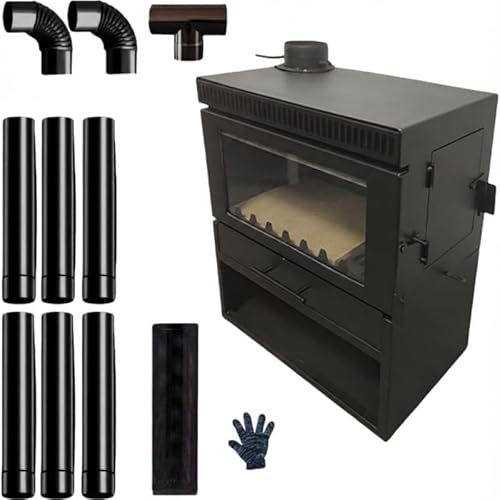
Indoor Wood Burning Fireplace Insert: The Ultimate Guide
Transform your existing masonry fireplace into a high-efficiency heating powerhouse. Learn how an indoor wood burning fireplace insert can slash heating costs, reduce emissions, and elevate your home's comfort.
Explore the Buying GuideWhy Upgrade to an Insert? Traditional open fireplaces are notoriously inefficient, sending up to 90% of heat straight up the chimney. An indoor wood burning fireplace insert is a sealed, high-efficiency appliance that fits into your existing fireplace opening, dramatically improving heat output and reducing creosote buildup.
What Is an Indoor Wood Burning Fireplace Insert?
An indoor wood burning fireplace insert is a self-contained firebox and heating system designed to be installed inside an existing masonry or prefabricated fireplace. Unlike a traditional open hearth, an insert features a sealed glass door, a dedicated combustion air supply, and a sophisticated baffle system that ensures a hotter, cleaner burn. This design allows you to enjoy the ambiance of a real wood fire while generating substantial radiant and convection heat for your home.
For homeowners researching their options, understanding the different types of fireplaces is essential. An insert is not a standalone unit; it is a retrofit solution that leverages your existing chimney and fireplace structure. This makes it a popular choice for those who want to improve efficiency without a full-scale remodel. If you are considering a larger project, you might also explore wood burning fireplace new construction options.
Key Benefits of a Wood Burning Insert
Dramatically Higher Efficiency
Modern inserts achieve efficiency ratings of 70% or higher, compared to the 10-20% of a traditional open fireplace. This means more heat for your home and less waste.
Reduced Emissions & Creosote
The sealed combustion chamber and secondary burn tubes burn off smoke and gases, significantly reducing particulate emissions and the risk of chimney fires.
Extended Burn Times
With a large firebox and precise air control, you can enjoy overnight burns, keeping your home warm without constant tending.
How to Choose the Right Insert for Your Home
Selecting the correct size is critical. An insert that is too small will struggle to heat your space, while one that is too large will burn inefficiently, leading to wasted wood and excessive smoke. The primary factor is the heating capacity, measured in BTUs. To determine your needs, consider your home's square footage, insulation levels, and climate. Our heating capacity BTU guide provides a detailed formula to help you calculate the right size.
You must also measure your existing fireplace opening carefully. Inserts are designed to fit specific dimensions. A professional installer can help you determine if a particular model will fit, and whether you need a full stainless steel liner. For a deeper dive into the installation process, refer to our fireplace installation guide overview.
Traditional Fireplace vs. Wood Burning Insert
| Feature | Traditional Open Fireplace | Indoor Wood Burning Insert |
|---|---|---|
| Efficiency | 10-20% | 70-85% |
| Heat Delivery | Mostly radiant, loses heat up chimney | Radiant + Convection (blower assisted) |
| Emissions | High particulate matter | EPA Certified, low emissions |
| Burn Time | 1-3 hours | 6-10+ hours (overnight burns) |
| Safety | Open flame, sparks can escape | Sealed glass door, controlled combustion |
| Installation | Existing masonry or prefab | Retrofit into existing fireplace with liner |
Installation Essentials: What You Need to Know
Installing an indoor wood burning fireplace insert is a complex job that typically requires a professional. The process involves more than just sliding the unit into place. A critical component is the chimney liner—a continuous stainless steel pipe that runs from the insert to the top of the chimney. This liner ensures proper draft, protects the chimney from creosote and moisture, and is essential for safety and efficiency. You can learn more about the specifics in our guide to chimney and vent requirements.
Other considerations include the hearth extension, which must be non-combustible and extend a certain distance in front of the insert. Clearances to combustible materials, such as mantels and walls, must also be strictly observed. For those who are handy, a DIY fireplace feasibility guide can help you assess whether this is a project you can tackle yourself. However, for most homeowners, hiring a certified professional is the safest and most reliable route.
Maintenance and Troubleshooting for Longevity
To keep your insert running efficiently, regular maintenance is key. This includes periodic chimney cleaning to remove creosote, inspecting the door gasket for a tight seal, and cleaning the fireplace glass to maintain a clear view of the fire. You should also have an annual fireplace inspection performed by a certified sweep.
If you encounter issues such as smoke coming into the room or a poor draft, it often points to a blockage in the liner, a faulty gasket, or wet wood. Addressing these problems promptly ensures your insert operates safely and efficiently. For a comprehensive list of solutions, visit our fireplace troubleshooting hub.
Frequently Asked Questions
Can I install an insert in a prefabricated fireplace?
Not all prefabricated fireplaces are suitable for inserts. You must check the manufacturer's specifications. Some are approved for insert installation, often requiring a specific zero-clearance liner system. Always consult a professional before proceeding.
How much does it cost to install a wood burning insert?
The total cost depends on the insert model, the length of the chimney liner, and labor rates. For a detailed breakdown of potential expenses, see our fireplace cost breakdown guide.
Do I need a blower with my insert?
While not strictly required, a blower significantly enhances heat distribution by pushing warm air into the room. Many inserts come with blowers as standard or optional add-ons. Learn more about blower vs. fan differences.
Is a wood burning insert environmentally friendly?
Yes, modern EPA-certified inserts are far more environmentally friendly than traditional open fireplaces. They burn wood more completely, producing less smoke and particulate matter. For the most eco-friendly options, look for high-efficiency models.
Final Thoughts: Is an Indoor Wood Burning Insert Right for You?
An indoor wood burning fireplace insert is an excellent investment for anyone seeking to improve the efficiency, safety, and heating capacity of their existing fireplace. It combines the rustic charm of a real wood fire with modern performance. By carefully considering sizing, installation requirements, and maintenance, you can enjoy a warmer, more energy-efficient home for years to come. If you are ready to explore specific models, our recommended products section below can help you find the perfect fit for your needs.