High Heat Resistant Paint for Fireplace: The Ultimate Guide
Transform your fireplace with the right paint. Learn how to choose, prepare, and apply high-temperature paint for a durable, beautiful finish that withstands the heat.
Why High Heat Resistant Paint Matters: Standard paint will blister, peel, and discolor when exposed to the intense heat of a fireplace. High heat resistant paint is specifically formulated to withstand temperatures up to 1200°F (650°C) or more, ensuring a long-lasting, professional finish that enhances both the look and safety of your fireplace.
Why Your Fireplace Needs High Heat Resistant Paint
Your fireplace is a focal point, but it's also a high-temperature environment. Whether you have a wood-burning fireplace, a gas insert, or a traditional masonry hearth, the surfaces around the fire are exposed to extreme heat. Using ordinary paint is a recipe for disaster—it will crack, peel, and release unpleasant odors. High heat resistant paint, also known as high-temperature paint or firebox paint, is engineered to handle these conditions. It's not just about aesthetics; it's about safety and longevity.
Beyond the firebox itself, the surrounding brick, stone, or metal surfaces can also benefit from heat-resistant coatings. This is especially true if you're planning a DIY fireplace makeover or simply refreshing a worn-out surround. The right paint can unify the look of your fireplace, cover up soot stains, and provide a protective barrier against moisture and heat damage.
Types of High Heat Resistant Paint
Not all high heat paints are created equal. The choice depends on the surface you're painting and the maximum temperature it will encounter. Here are the main types:
🔥 High Heat Spray Paint
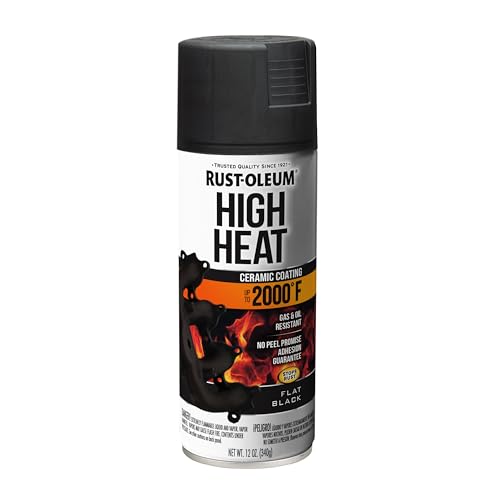
Aerosol cans are convenient for small areas, intricate details, and metal surfaces like fireplace inserts, grates, and trim. They provide a smooth, even coat and are available in matte, satin, and gloss finishes. Ideal for quick touch-ups and hard-to-reach spots.
🖌️ Brush-On High Heat Paint
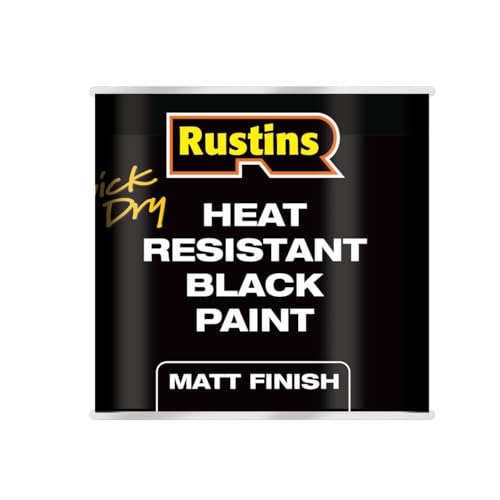
Best for larger surfaces like brick, stone, and masonry fireboxes. Brush-on formulas allow for better control and penetration into porous surfaces. They are typically thicker and provide a more durable finish. Some brands offer roll-on versions for even faster application.
🎨 High Heat Primer
A primer is often essential for adhesion, especially on bare metal or previously painted surfaces. High heat primers create a bond between the surface and the topcoat, preventing peeling and ensuring a uniform finish. Some primers are formulated for specific materials like ferrous metal or masonry.
When choosing a paint, always check the temperature rating. For the firebox interior, you'll need paint rated for at least 1200°F. For the surrounding brick or metal trim, a rating of 600°F to 1200°F is usually sufficient. If you're working on a gas fireplace insert for a wood fireplace, ensure the paint is compatible with the metal surfaces and can handle the concentrated heat.
Surface Preparation: The Key to a Lasting Finish
Even the best high heat paint will fail if the surface isn't properly prepared. Follow these steps for optimal results:
- Clean Thoroughly: Remove all soot, ash, grease, and dust. Use a wire brush and a fireplace cleaner. For stubborn stains, a mixture of vinegar and water can help. Let the surface dry completely.
- Sand Smooth: Lightly sand the surface to create a "tooth" for the paint to adhere to. This is especially important for glossy or previously painted surfaces. Wipe away dust with a tack cloth.
- Repair Damage: Fill any cracks or holes with a high-temperature mortar or filler. Allow it to cure fully before painting.
- Prime if Needed: For bare metal, a rust-inhibiting primer is a must. For masonry, a masonry primer can help seal the surface and reduce paint absorption. If you're painting over a brick fireplace, a primer is highly recommended.
- Ventilate: High heat paints emit strong fumes. Work in a well-ventilated area and use a respirator mask.
Application Tips for a Professional Finish
Applying high heat paint requires a bit of technique. Here's how to get it right:
🌡️ Temperature Matters
Apply paint when the ambient temperature is between 50°F and 90°F (10°C–32°C). Avoid painting in direct sunlight or high humidity. The surface should be dry and at room temperature.
🖌️ Thin Coats Are Best
Apply two or three thin coats rather than one thick coat. This prevents drips, ensures even coverage, and allows the paint to cure properly. Allow the recommended drying time between coats.
⏱️ Curing Time
High heat paint doesn't fully cure until it's heated. After the paint is dry to the touch, start a small fire and gradually increase the temperature over several hours. This "baking" process hardens the paint and drives off any remaining solvents.
🛡️ Safety First
Always wear protective gear, including gloves, safety glasses, and a respirator. Keep a fire extinguisher nearby. Never paint over a hot surface.
High Heat Paint vs. Regular Paint: A Quick Comparison
| Feature | High Heat Resistant Paint | Regular Paint |
|---|---|---|
| Temperature Resistance | Up to 1200°F+ | Typically below 200°F |
| Durability | Excellent; resists cracking, peeling, and blistering | Poor; will fail quickly under heat |
| Finish Options | Matte, satin, gloss (limited colors) | Wide range of colors and finishes |
| Best Use | Fireboxes, surrounds, metal trim, grates | Walls, ceilings, furniture (away from heat) |
| Curing Process | Requires heat curing for full strength | Air-dry only |
Common Mistakes to Avoid
- Using Regular Paint: Never use standard latex or oil-based paint on a fireplace. It will fail and potentially release toxic fumes.
- Skipping Primer: Primer is crucial for adhesion, especially on metal and previously painted surfaces.
- Painting a Dirty Surface: Soot and grease will prevent the paint from sticking. Clean thoroughly.
- Applying Too Thick: Thick coats trap solvents, leading to bubbles and peeling. Stick to thin, even coats.
- Not Curing Properly: If you don't heat-cure the paint, it will remain soft and prone to damage. Follow the manufacturer's curing instructions.
- Ignoring Ventilation: High heat paints emit strong fumes. Always work in a well-ventilated area.
Maintaining Your Painted Fireplace
Once your fireplace is painted, proper maintenance will keep it looking great for years. Regularly dust the surface with a soft cloth. For deeper cleaning, use a damp cloth with mild soap and water. Avoid abrasive cleaners that can scratch the finish. If you notice any chips or peeling, touch up the area with the same high heat paint. For a wood-burning fireplace, keep up with your chimney cleaning guide to prevent creosote buildup, which can damage the paint. If you have a gas fireplace, regular gas fireplace maintenance will ensure safe and efficient operation.
Ready to Transform Your Fireplace?
Explore our recommended high heat resistant paints and find the perfect match for your project. From entry-level to premium options, we've got you covered.
View Recommended PaintsFrequently Asked Questions
Can I use regular paint on a fireplace?
No. Regular paint is not designed to withstand high temperatures. It will blister, peel, and discolor, and may release harmful fumes. Always use paint specifically rated for high heat.
How long does high heat paint last?
With proper preparation and curing, high heat paint can last for many years. Its lifespan depends on the type of fireplace, frequency of use, and maintenance. Generally, it outlasts regular paint by a significant margin.
Do I need to remove old paint before applying high heat paint?
If the old paint is in good condition and is also high heat paint, you can usually paint over it after cleaning and sanding. If it's regular paint or is peeling, you must remove it completely before applying high heat paint.
What temperature rating should I look for?
For the firebox interior, look for paint rated for at least 1200°F (650°C). For surrounding brick, stone, or metal trim, a rating of 600°F to 1200°F is sufficient. Always check the manufacturer's recommendations.
Can I paint a gas fireplace insert?
Yes, but you must use a high heat paint specifically designed for metal and rated for the temperatures a gas insert reaches. Proper surface preparation is critical. For more information, see our guide on gas fireplace inserts.
How do I cure high heat paint?
After the paint is dry to the touch, start a small fire in the fireplace. Gradually increase the temperature over several hours. This heat-curing process hardens the paint and drives off any remaining solvents. Follow the manufacturer's specific instructions for best results.