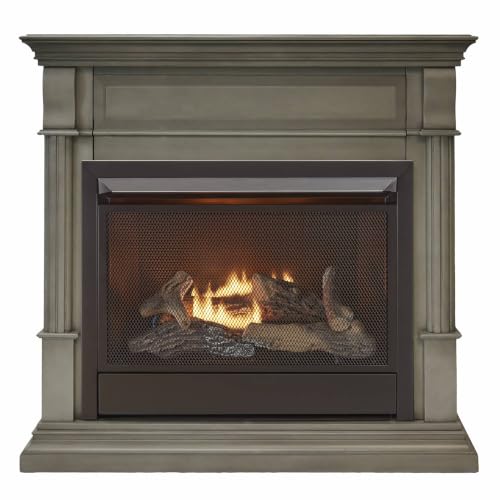
Vent Free Gas Fireplaces with Mantels: A Complete Guide
Discover how vent free gas fireplaces with mantels combine elegant design with powerful, efficient heating for your home
View Recommended ModelsWhy Vent Free Gas Fireplaces with Mantels? They offer the warmth of a traditional fireplace without the need for a chimney or venting system, making them ideal for apartments, basements, and homes where adding a vent is impractical. The integrated mantel adds a touch of classic elegance and provides a functional shelf for decor.
What Is a Vent Free Gas Fireplace?
A vent free (also called ventless or unvented) gas fireplace is a self-contained heating appliance that burns natural gas or propane and releases the combustion byproducts directly into the room. Unlike traditional fireplaces that require a chimney or vent pipe to exhaust gases outdoors, vent free models are designed to burn fuel so efficiently that they produce very low levels of carbon monoxide and other emissions.
When paired with a mantel, these units become a stylish focal point that can blend seamlessly with your interior decor. Understanding the fundamental differences between fireplace types is essential before you decide. Our guide on types of fireplaces provides a comprehensive overview of all available options.
How Do Vent Free Gas Fireplaces with Mantels Work?
Vent free gas fireplaces operate on a simple principle: they burn gas at a very high efficiency (typically 99.9% in modern units), meaning almost all the fuel is converted into heat rather than exhaust. The small amount of byproducts produced is released into the room. The mantel serves both an aesthetic and practical purpose—it frames the firebox, adds architectural interest, and can hold small decorative items.
Most models include an Oxygen Depletion Sensor (ODS) that automatically shuts off the unit if oxygen levels in the room drop below safe levels. This safety feature is critical for indoor use. For a deeper look at installation and safety requirements, see our gas fireplace installation requirements guide.
Key Benefits of Vent Free Gas Fireplaces with Mantels
- No Chimney or Venting Required: Save on costly installation and construction. Perfect for apartment fireplace installation and rooms without existing flues.
- High Heating Efficiency: Nearly all the heat stays in the room, making them a highly efficient supplemental heat source. Learn more in our most energy-efficient fireplace types article.
- Elegant Design: The integrated mantel turns a functional heater into a beautiful piece of furniture that complements any decor.
- Easy Installation: Most units are designed for simple installation, often requiring only a gas line connection. See our DIY vs professional installation comparison.
- Versatile Placement: Can be installed in bedrooms, living rooms, basements, and even some mobile homes.
Sizing Your Vent Free Gas Fireplace
Choosing the right size and heating capacity is crucial for comfort and efficiency. Vent free gas fireplaces are typically rated in BTUs (British Thermal Units). As a general rule, you need approximately 20 BTUs per square foot of living space in a moderately insulated home. However, this can vary based on ceiling height, insulation quality, and climate.
For a detailed formula and worksheets, check out our fireplace heating capacity BTU guide and how to size a fireplace articles. If you have an open-concept space, our guide on fireplace sizing for open concept rooms is particularly useful.
Vent Free vs Vented Gas Fireplaces
| Feature | Vent Free | Vented |
|---|---|---|
| Installation | No chimney or vent needed | Requires chimney or direct vent |
| Efficiency | Up to 99.9% efficient | 70-85% efficient (heat lost through vent) |
| Indoor Air Quality | Releases trace byproducts indoors; requires ODS | Exhausts all byproducts outdoors |
| Best For | Supplemental heat, apartments, basements | Primary heat, homes with existing flues |
| Mantel Options | Wide variety of styles and finishes | Typically more traditional designs |
For a broader comparison, see our electric vs gas vs wood fireplace comparison and pros and cons of each fireplace type.
Safety and Maintenance
While vent free gas fireplaces are safe when used correctly, they do require some precautions. Always follow the manufacturer's guidelines for clearance to combustibles, and never use a vent free fireplace in a small, tightly sealed room without proper ventilation. An annual inspection is recommended to ensure the ODS and burner are functioning correctly.
Regular cleaning of the glass and burner will keep your fireplace looking great and running efficiently. Our gas fireplace maintenance guide provides step-by-step instructions. If you ever notice unusual smells, see our article on gas fireplace smells like gas for troubleshooting. For general upkeep, consult our monthly and yearly maintenance schedule.
Design Ideas and Integration
Vent free gas fireplaces with mantels can be styled to match any interior. For a modern look, consider a sleek, minimalist mantel in a neutral tone. For a traditional feel, choose a classic wood mantel with corbels. You can also integrate your fireplace with your entertainment setup. For inspiration, see our guides on electric fireplace wall ideas with TV and contemporary modern fireplace mantels.
If you're considering a remodel, our DIY fireplace makeover and DIY fireplace surround ideas can help you customize your space. For those who love a rustic aesthetic, explore farmhouse living rooms with fireplace.
Top Features to Look For
- Oxygen Depletion Sensor (ODS): A mandatory safety feature for vent free units.
- Adjustable Thermostat: For precise temperature control. Learn about options in our fireplace thermostat guide.
- Remote Control: Convenient operation from across the room. See our remote control replacement guide for compatibility.
- Blower: Helps distribute heat more evenly. Check out our fireplace blower fan guide.
- Realistic Flame: Look for ceramic logs and ember beds for an authentic look.
- Mantel Material: Wood, stone, and metal are common; choose one that matches your decor.
Frequently Asked Questions
Do vent free gas fireplaces need electricity?
Many vent free models use a standing pilot light and do not require electricity to operate, making them ideal for power outages. However, models with blowers or electronic ignition will need a power source. See our guide on using a gas fireplace without electricity.
Are vent free gas fireplaces safe indoors?
Yes, when installed and used according to the manufacturer's instructions. They are designed to burn cleanly and include safety features like the ODS. Always ensure proper ventilation and never exceed the recommended room size. For more safety information, see our carbon monoxide signs article.
Can a vent free gas fireplace heat an entire house?
They are typically used as supplemental heat sources for a specific room. While they are very efficient, they may not have enough BTU output to heat an entire home, especially in very cold climates. See our article on can a fireplace heat an entire house for more details.
How often should I clean my vent free gas fireplace?
At least annually, before the heating season. Clean the glass, inspect the burner, and check the ODS. Refer to our gas fireplace maintenance guide for a full checklist.