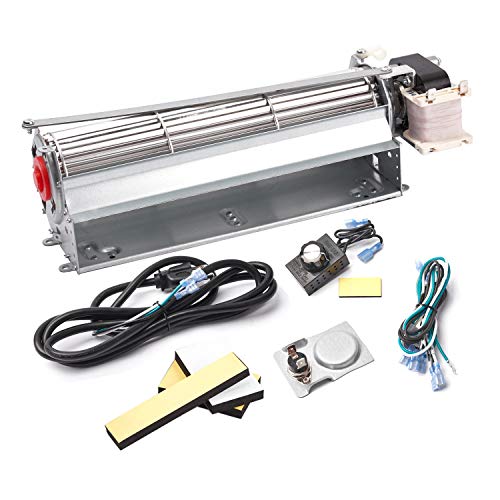
Gas Fireplace with Blower and Thermostat: The Complete Guide
Learn how blowers and thermostats transform a gas fireplace into an efficient heating source, what features matter most, and how to choose the right model for your home.
START READINGWhy this matters: A gas fireplace with a built-in blower and thermostat is no longer just a decorative feature—it can serve as a reliable supplemental heat source for a room. Understanding how these two components work together helps you make a smarter purchase decision.
What Is a Gas Fireplace with Blower and Thermostat?
A gas fireplace with blower and thermostat is a heating appliance that combines three essential functions: realistic flame display, forced-air heat distribution, and automatic temperature regulation. Unlike a basic gas log set that radiates heat passively, this type of fireplace actively pushes warm air into the room and maintains a consistent temperature without constant manual adjustment.
The blower (also called a fan) draws cool air from the room, passes it over a heat exchanger, and pushes warmed air back into the living space. The thermostat monitors room temperature and cycles the burner and blower on or off to maintain your desired setting. Together, these features turn a gas fireplace into a practical zone heater that can supplement your central heating system.
If you are still exploring which fireplace type suits your home best, our guide on which fireplace is right for your home offers a helpful starting point. For a broader comparison of fuel types, see types of fireplaces explained.
How the Blower and Thermostat Work Together
Understanding the interaction between the blower and thermostat helps you appreciate why this combination is so effective for heating.
- Ignition and warm-up: When the thermostat calls for heat, the gas burner ignites. The blower typically delays start-up until the heat exchanger reaches a safe operating temperature, preventing cold air from being circulated.
- Heat distribution: Once warmed, the blower pulls air through the heat exchanger and directs it into the room. This forced-air movement dramatically improves heating reach compared to radiant heat alone.
- Temperature regulation: The thermostat continuously monitors room temperature. When the set point is reached, the burner and blower cycle off. When temperature drops, they restart automatically.
- Cool-down: After the burner shuts off, the blower may continue running briefly to dissipate residual heat, protecting components and extracting remaining warmth.
This cycle repeats as needed, maintaining comfortable temperatures with minimal supervision. The result is a fireplace that functions less like a decorative feature and more like a smart space heater.
Key Benefits of a Blower and Thermostat Combination
Improved Heating Efficiency
A blower distributes heat throughout the room rather than letting it rise and escape. This makes the fireplace significantly more effective as a heater compared to radiant-only models.
Automatic Temperature Control
Set your desired temperature and let the thermostat handle the rest. No need to manually adjust the flame or turn the unit on and off as the room warms or cools.
Consistent Comfort
The thermostat prevents temperature swings, maintaining a steady, comfortable environment. This is especially valuable in rooms that tend to feel drafty or unevenly heated.
Energy Savings Potential
By heating only the room you are using, you can lower your central thermostat and reduce overall energy consumption. Zoned heating is one of the most effective ways to cut heating costs.
Quiet Operation
Modern blowers are designed to run quietly, so you can enjoy the ambiance of the flame without disruptive noise. Many models offer variable speed settings.
Convenience Features
Many units include remote controls, programmable timers, and smart home integration. These features add convenience and make the fireplace easier to operate day-to-day.
Pros and Cons at a Glance
Advantages
- Significantly better heat distribution than radiant-only models
- Automatic temperature regulation for consistent comfort
- Can serve as an effective zone heater
- Reduces reliance on central heating
- Convenient remote and programmable options
- Works well in basements and additions
Considerations
- Requires electricity for blower and thermostat operation
- Blower noise may be noticeable at higher speeds
- Slightly higher upfront cost than basic models
- Periodic cleaning of blower and components needed
- Thermostat placement affects performance
- Not a replacement for a whole-house furnace
Types of Gas Fireplaces with Blower and Thermostat
Gas fireplaces with these features come in several configurations, each suited to different installation scenarios and aesthetic preferences.
Gas Fireplace Inserts
Inserts are designed to fit into an existing masonry or prefabricated fireplace opening. They are highly efficient because they are sealed units that draw combustion air from outside and direct exhaust through a liner. A blower and thermostat are common features on mid-range and premium inserts. If you have an old wood-burning fireplace, an insert is often the most practical upgrade path. Learn more in our guide on gas fireplace inserts.
Direct-Vent Gas Fireplaces
Direct-vent models are sealed combustion units that use a coaxial vent pipe to bring in outside air and exhaust combustion gases. They are highly efficient and can be installed in almost any room with an exterior wall. Blowers and thermostats are frequently integrated or available as options. See our detailed article on direct-vent gas fireplace inserts with blower.
Ventless (Vent-Free) Gas Fireplaces
Ventless models burn gas at high efficiency and release most of the heat and moisture directly into the room without a chimney or vent. They are convenient but require attention to indoor air quality and local codes. Blowers help distribute heat, and thermostats add convenience. Our article on ventless gas fireplace inserts with logs and blower covers this category in detail.
Freestanding Gas Stoves
Freestanding gas stoves resemble traditional wood stoves but run on natural gas or propane. Many models include blowers and thermostats, making them excellent zone heaters. They work well in rooms without an existing fireplace and can be placed almost anywhere with proper venting. Check our guide on freestanding ventless gas fireplaces with blower.
Comparing Gas Fireplace Options with Blower and Thermostat
| Feature | Insert | Direct-Vent | Ventless | Freestanding Stove |
|---|---|---|---|---|
| Installation Complexity | Moderate (requires existing fireplace) | Moderate (requires exterior wall) | Low (no venting required) | Moderate (requires venting) |
| Heating Efficiency | High | High | Very High | High |
| Indoor Air Quality Impact | Minimal | Minimal | Some moisture and byproducts | Minimal |
| Blower & Thermostat Availability | Common | Common | Common | Common |
| Best For | Upgrading existing fireplace | New construction or remodel | Rooms without venting options | Flexible placement and zone heating |
What to Look For When Buying
When shopping for a gas fireplace with blower and thermostat, focus on the following criteria to ensure you get a unit that meets your heating needs and fits your space.
- Heating Capacity (BTU): Match the BTU output to your room size. A unit that is too small will struggle to heat the space, while an oversized unit may cycle frequently and waste energy. Our heating capacity BTU guide walks you through the calculation.
- Blower Type and Noise Level: Variable-speed blowers offer more control and tend to be quieter at lower settings. Look for models with noise ratings or reviews that mention quiet operation.
- Thermostat Features: Basic thermostats maintain a set temperature. Advanced models offer programmable schedules, remote sensors, and smart home compatibility. See our fireplace thermostat guide for details.
- Efficiency Rating: Higher efficiency means more heat delivered per unit of gas. Sealed combustion and direct-vent models generally lead in efficiency. Our article on most energy-efficient fireplace types provides a deeper comparison.
- Venting Requirements: Determine whether you need a vented, ventless, or direct-vent unit. This depends on your home's structure and local building codes. See do you need a chimney or vent? for guidance.
- Installation Requirements: Gas lines, electrical outlets for the blower, and clearances all matter. Review our gas fireplace installation requirements before committing.
- Remote Control and Convenience: Many units include remote controls that operate the flame, blower, and thermostat. Some offer smartphone app control. Learn more in fireplace remote control replacement.
- Safety Features: Look for oxygen depletion sensors (ODS) on ventless models, automatic shut-off, and cool-to-touch surfaces if children or pets are present.
Efficiency and Operating Considerations
A gas fireplace with blower and thermostat is significantly more efficient than a decorative gas log set. The blower captures heat that would otherwise be lost up the chimney, and the thermostat prevents unnecessary gas consumption by cycling the unit only when needed.
Efficiency ratings vary by model and type. Direct-vent and ventless units tend to be the most efficient, often achieving ratings above 80%. Inserts also perform well when properly installed with a liner. Freestanding stoves vary but many are highly efficient.
Operating costs depend on local gas prices, unit efficiency, and how often you use the fireplace. Compared to electric space heaters, gas fireplaces are often more economical for zone heating, especially in areas with low natural gas prices. Our articles on electric vs gas running costs and fireplace cost breakdown provide more context.
To maximize efficiency, ensure the blower is clean, the thermostat is placed away from the fireplace's direct heat, and the room is reasonably sealed against drafts. See our energy saving tips for more strategies.
Maintenance Tips for Long-Lasting Performance
Proper maintenance keeps your gas fireplace with blower and thermostat running safely and efficiently. Here are the key tasks:
- Clean the blower: Dust and debris can accumulate on blower blades, reducing airflow and causing noise. Vacuum the blower area annually or as needed. See fireplace blower fan not working for troubleshooting.
- Inspect the thermostat: Ensure it is free of dust and functioning correctly. If the fireplace does not respond to temperature changes, the thermostat may need cleaning or replacement.
- Clean glass and logs: Soot and dust on glass or logs can affect appearance and efficiency. Our guide on how to clean fireplace glass covers safe cleaning methods.
- Schedule annual inspections: A qualified technician should inspect the burner, venting, and gas connections yearly. See gas fireplace inspection for what to expect.
- Follow the maintenance schedule: Use our fireplace maintenance schedule to stay on track with monthly and yearly tasks.
Common Issues and Troubleshooting
Even well-maintained gas fireplaces can develop issues. Here are a few common problems and where to find solutions:
- Fireplace won't light: Could be a pilot light issue, thermocouple failure, or gas supply problem. See gas fireplace won't light for step-by-step fixes.
- Blower not working: Check power supply, thermostat settings, and blower connections. Our article on fireplace blower fan not working covers diagnosis.
- Thermostat not controlling temperature: May be a calibration issue or faulty thermostat. See fireplace thermostat issue.
- Weak flame: Could indicate low gas pressure or a dirty burner. Learn more in gas fireplace weak flame.
- Unusual noises: Blower bearings, expansion sounds, or pilot issues can cause noise. See fireplace making noise.
Installation Considerations
Installing a gas fireplace with blower and thermostat involves several factors. If you are replacing an existing fireplace, an insert may be the simplest option. If you are adding a new fireplace, direct-vent or ventless models offer flexibility.
Key installation requirements include:
- Gas line: A licensed professional must run a gas line if one is not already present. See adding a gas fireplace to an existing home.
- Electrical outlet: The blower and thermostat require electricity. Ensure an outlet is available near the fireplace.
- Venting: Vented models need a chimney or direct-vent termination. Ventless models do not require venting but have specific clearance requirements.
- Clearances: Maintain proper distances from combustibles, especially around the fireplace opening and venting.
- Permits: Many jurisdictions require permits for gas fireplace installation. Check fireplace permit requirements for details.
- Professional vs DIY: Gas work should always be done by a licensed professional. Our article on DIY vs professional fireplace installation explains why.
Frequently Asked Questions
Yes. The blower and thermostat require electricity to operate. Most units plug into a standard outlet, though some can be hardwired. During a power outage, the fireplace may still produce radiant heat, but the blower will not function, reducing heat distribution significantly. Some models offer battery backup for ignition only.
Generally, no. A gas fireplace is designed as a zone heater for the room it occupies, or perhaps an adjacent open area. While it can supplement your central heating, it is not sized or designed to replace a whole-house furnace. For a realistic assessment, see can a fireplace heat an entire house?.
Modern blowers are designed to operate quietly, especially at lower speeds. Many units offer variable-speed settings so you can balance airflow and noise. At higher speeds, some noise is inevitable, but it is typically comparable to a quiet fan or gentle white noise. Reading product reviews can help you gauge real-world noise levels.
A thermostat automatically maintains a set temperature by cycling the fireplace on and off. A remote control allows you to manually turn the fireplace on and off, adjust flame height, and sometimes control the blower speed. Many remotes include a thermostat function, combining both features. See our fireplace thermostat guide for more details.
At least once a year, preferably before the heating season. If you use the fireplace frequently or have pets, you may need to clean it more often. Dust and debris buildup can reduce efficiency and cause noise. Always unplug the unit before cleaning. See fireplace maintenance checklist for a full schedule.
Ventless fireplaces are safe when installed and operated according to the manufacturer's instructions and local codes. They include oxygen depletion sensors and produce very low emissions. However, they do release moisture and some byproducts into the room, so proper sizing and ventilation are important. Our article on ventless vs vented fireplace covers the safety considerations in depth.
In many cases, yes. Blowers are often available as aftermarket accessories for popular fireplace models. However, not all fireplaces are designed to accept a blower, and installation may require access to the fireplace's electrical system. Consult your owner's manual or a qualified technician. See how to install a fireplace blower for general guidance.
Size is measured in BTU output. A rough guideline is 20 BTU per square foot of living space in a moderately insulated home, but this varies based on climate, ceiling height, and insulation. Our heating capacity BTU guide provides a detailed calculation method, and our fireplace sizing worksheet can help you organize the numbers.
Ready to Choose the Right Gas Fireplace?
Now that you understand how blowers and thermostats work together to improve efficiency and comfort, you are ready to evaluate specific models. Browse our recommended gas fireplaces with these features below.
SEE RECOMMENDED MODELS ↓