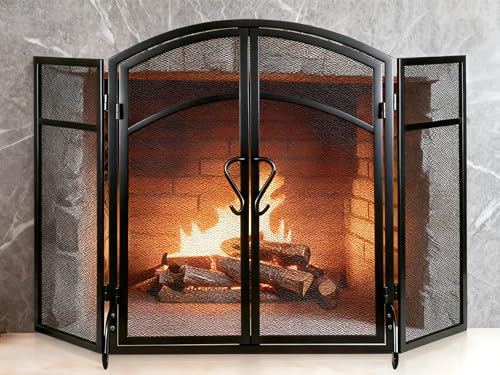
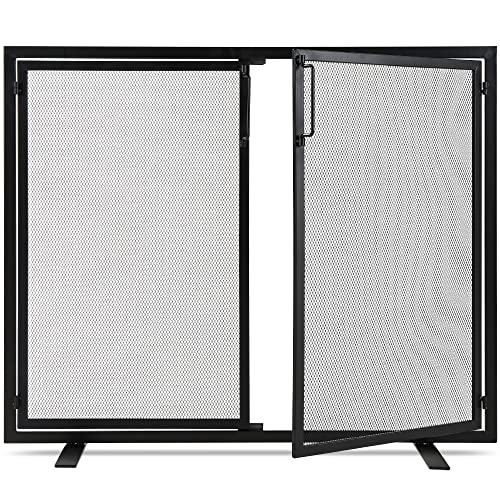
Freestanding Fireplace Screen with Doors: Complete Buying Guide
Discover how a freestanding fireplace screen with doors combines safety, style, and functionality. Learn about materials, sizing, and features to find the perfect match for your wood-burning fireplace.
START EXPLORINGWhy a Freestanding Screen with Doors? A freestanding fireplace screen with doors offers the perfect balance between an open hearth's charm and the safety of an enclosed firebox. It prevents embers from escaping, keeps children and pets at a safe distance, and adds a decorative touch to your living space.
What Is a Freestanding Fireplace Screen with Doors?
A freestanding fireplace screen with doors is a self-supporting accessory that sits directly in front of your fireplace opening. Unlike built-in glass doors that attach to the firebox, a freestanding unit stands on its own, typically with a sturdy frame and mesh panels or glass doors that open and close. This design makes it an excellent choice for those who want the flexibility of a removable screen without permanent installation.
These screens are especially popular for wood-burning fireplaces, where flying embers and sparks are a real concern. The doors provide an extra layer of protection while still allowing you to enjoy the view of the fire. Many models also feature a mesh screen behind the doors, offering dual-layer safety.
For homeowners who want to upgrade their hearth's safety without major renovations, a freestanding screen is an ideal solution. It is also a great option for renters or anyone who prefers not to drill into their fireplace surround.
Key Benefits of Freestanding Screens with Doors
Enhanced Safety
The doors and mesh panels create a barrier that prevents sparks, embers, and logs from rolling out of the firebox. This is particularly important in homes with children or pets.
Flexible & Portable
Because it's freestanding, you can easily move it aside when loading wood or cleaning the fireplace. No permanent installation or hardware is required.
Aesthetic Appeal
Available in a wide range of styles, from classic wrought iron to modern stainless steel, these screens can complement any decor. They add a finished look to your hearth.
Improved Efficiency
By reducing excessive airflow into the chimney, a screen with doors can help your fireplace burn more efficiently, retaining more heat in the room.
Easy Maintenance
Removing ash and cleaning the firebox is simpler when you can move the screen out of the way. Many screens also have removable mesh panels for easy cleaning.
Draft Control
Closing the doors when the fireplace is not in use can help reduce drafts and prevent heat loss from your home, especially in winter.
Types and Materials of Freestanding Screens
Materials
The material of your screen affects its durability, appearance, and heat resistance. Here are the most common options:
- Wrought Iron: Classic and sturdy, wrought iron screens are highly durable and can withstand high temperatures. They often feature ornate designs and a black or bronze finish. This is a popular choice for traditional homes.
- Steel: Steel is another durable option, often used in modern or minimalist designs. It can be powder-coated for added protection and comes in various colors.
- Brass: Brass screens offer a polished, elegant look. They are resistant to rust and add a touch of luxury to the hearth. However, they may require more frequent polishing to maintain their shine.
- Aluminum: Lightweight and rust-resistant, aluminum screens are easy to move. They are often less expensive than iron or brass but may not feel as substantial.
Types of Doors
- Mesh Doors: These feature a fine metal mesh that catches sparks while allowing heat and visibility. They are often used in combination with glass doors.
- Glass Doors: Tempered glass doors provide a clear view of the fire and can help control drafts. They are available in clear, tinted, or mirrored finishes.
- Combination Doors: Many freestanding screens have both a mesh screen and glass doors. You can keep the glass open for a traditional fire or closed for maximum safety and efficiency.
Styles
Freestanding screens come in a variety of styles to match your home's interior:
- Traditional: Ornate scrollwork and classic finishes like black or antique brass.
- Modern: Clean lines, minimalistic frames, and finishes like brushed steel or matte black.
- Rustic: Natural materials, hammered textures, and earth tones.
- Contemporary: Sleek, geometric designs with glass panels and stainless steel accents.
If you're looking for a screen that makes a statement, consider a wrought iron fireplace screen with doors for its timeless appeal.
How to Choose the Right Size
Proper sizing is crucial for both safety and aesthetics. A screen that is too small will not effectively contain sparks, while one that is too large may look out of proportion and be difficult to move.
Here are the key measurements to consider:
- Fireplace Opening Width: Measure the width of your fireplace opening at its widest point. The screen should be at least 2–4 inches wider on each side to provide adequate coverage.
- Fireplace Opening Height: Measure the height from the hearth to the top of the opening. The screen should be tall enough to cover the entire opening, typically 2–4 inches taller than the opening.
- Hearth Depth: Ensure the screen's base fits comfortably on your hearth. Some screens have a deeper footprint for added stability.
- Clearance: Leave enough space between the screen and the fireplace opening for air circulation and to prevent overheating.
For a more detailed guide on sizing, refer to our fireplace sizing guide.
Key Factors to Consider Before Buying
When shopping for a freestanding fireplace screen with doors, keep these factors in mind to ensure you make the right choice:
1. Safety Certifications
Look for screens that meet safety standards, such as those from the National Fire Protection Association (NFPA). Some screens are specifically designed for use with wood-burning fireplaces and are tested for heat resistance.
2. Door Mechanism
Consider how the doors open and close. Hinged doors are common, but some screens feature sliding or bi-fold doors. Ensure the mechanism is smooth and easy to operate, especially if you'll be opening them frequently to tend the fire.
3. Mesh Quality
The mesh should be tightly woven to catch small embers. A finer mesh provides better spark protection but may slightly reduce airflow. Look for mesh that is securely attached to the frame.
4. Finish and Coating
High-temperature finishes are essential. Powder-coated or heat-resistant paint will prevent peeling and rust. Avoid screens with cheap finishes that may flake off over time.
5. Stability
A freestanding screen should be stable and not tip over easily. Check the base width and weight. Some models have adjustable feet for uneven hearths.
6. Maintenance
Consider how easy it is to clean. Removable mesh panels and glass doors are easier to maintain. Regular cleaning will keep your screen looking new and functioning properly. For tips, see our fireplace maintenance guide.
7. Style Compatibility
Choose a screen that complements your fireplace and room decor. Whether you have a traditional fireplace or a modern fireplace, there is a screen to match.
Comparison of Popular Screen Types
The table below compares common freestanding screen types by material, door style, and typical market tier. This will help you understand the trade-offs between different options.
| Type | Material | Door Style | Market Tier | Best For |
|---|---|---|---|---|
| Classic Wrought Iron | Wrought Iron | Mesh with Glass Doors | Mid-range to Premium | Traditional homes, heavy use |
| Modern Steel | Powder-coated Steel | Glass Doors | Entry-level to Mid-range | Contemporary interiors, apartments |
| Brass Accent | Brass & Steel | Mesh Doors | Premium to Luxury | Elegant, formal living rooms |
| Lightweight Aluminum | Aluminum | Mesh with Glass | Budget-friendly | Occasional use, easy portability |
| Rustic Hammered | Iron with Hammered Finish | Mesh & Glass | Mid-range | Country or farmhouse decor |
For a broader look at fireplace accessories, explore our fireplace accessories section.
Installation and Care Tips
One of the biggest advantages of a freestanding screen is that it requires no installation. Simply place it in front of your fireplace opening and you're done. However, here are a few tips to ensure optimal performance and longevity:
- Positioning: Place the screen as close to the fireplace opening as possible without blocking the draft. This maximizes safety and efficiency.
- Cleaning: Dust the mesh and frame regularly with a soft brush or vacuum attachment. For glass doors, use a fireplace glass cleaner to remove soot and creosote. Refer to our guide on how to clean fireplace glass.
- Inspection: Check for loose hinges, damaged mesh, or rust. Repair or replace worn parts promptly to maintain safety. Our DIY fireplace inspection checklist can help.
- Seasonal Care: Before the heating season, give your screen a thorough cleaning and inspect for any damage. After winter, store it in a dry place if you won't be using the fireplace.
If you have a wood-burning fireplace, you may also want to consider other safety accessories like a fireplace gate or fire-resistant hearth rugs.
Frequently Asked Questions
Do freestanding fireplace screens with doors really improve safety?
Yes, they significantly reduce the risk of sparks and embers escaping the firebox. The combination of mesh and glass doors provides a physical barrier that protects your home and loved ones. However, they should not be used as a substitute for a properly maintained chimney and firebox.
Can I use a freestanding screen with a gas fireplace?
While possible, most freestanding screens are designed for wood-burning fireplaces. Gas fireplaces often have their own venting and safety requirements. Always check the manufacturer's guidelines before using any screen with a gas fireplace. For more information, see our gas fireplace section.
How do I clean the mesh on my screen?
Remove the mesh panel if possible and gently scrub it with a soft brush and warm soapy water. Rinse and dry thoroughly before reinstalling. For built-in mesh, use a vacuum with a brush attachment to remove dust and debris.
Will a screen with doors reduce the heat output of my fireplace?
When the doors are closed, they can slightly reduce the radiant heat reaching the room. However, they also help control the burn rate, which can lead to more efficient fuel consumption. Many people keep the doors open while enjoying the fire and close them when the fire is dying down.
What is the difference between a freestanding screen and a fireplace insert?
A freestanding screen sits in front of the fireplace and is portable, while a fireplace insert is installed inside the firebox and often includes a blower for heat distribution. Inserts are more permanent and can significantly improve heating efficiency. Learn more in our fireplace inserts guide.
Final Thoughts
A freestanding fireplace screen with doors is a smart investment for any wood-burning fireplace owner. It enhances safety, adds aesthetic value, and can even improve heating efficiency. By considering the material, size, door mechanism, and style, you can find a screen that fits your home perfectly.
Whether you prefer the classic look of wrought iron or the sleekness of modern steel, there is a freestanding screen to match your taste. Remember to prioritize safety features and quality construction. For more information on fireplace safety and maintenance, explore our fireplace FAQ.
Ready to explore product options? Check out our recommended selection below.