Fireplace Stones for Gas Fireplace: Complete Guide
Everything you need to know about choosing, sizing, and arranging decorative stones for your gas fireplace — from lava rocks and fire glass to ceramic stones and river pebbles.
Explore Stone TypesWhy Stones Matter: The right fireplace stones for your gas fireplace do more than look beautiful — they influence flame appearance, heat distribution, and overall safety. Choosing the correct media is one of the simplest upgrades that transforms a basic gas fireplace into a stunning focal point.
Why Fireplace Stones Are Essential for Gas Fireplaces
Gas fireplaces rely on decorative media to disperse flames and create a realistic, natural-looking fire. Unlike wood-burning fireplaces that produce their own embers and ash, a gas fireplace needs a bed of heat-resistant material — commonly referred to as fireplace stones — to break up the gas burner's uniform flame pattern and simulate the random, organic look of a real fire.
Beyond aesthetics, fireplace stones for a gas fireplace serve several functional purposes. They help radiate heat more evenly into the room, protect the burner components from direct flame impingement, and reduce the risk of hot spots that can damage the firebox over time. If you are still deciding between fuel types, understanding the differences in our electric vs gas vs wood fireplace comparison can help clarify why gas remains a top choice for homeowners who want convenience and realism.
When browsing options, you will encounter a wide range of materials — from affordable lava rocks to premium hand-polished fire glass. Each has its own visual character, durability profile, and maintenance requirements. This guide walks you through every major category so you can select the fireplace stones that best match your design goals and heating needs.
Types of Fireplace Stones for Gas Fireplaces
Lava Rocks
Porous volcanic rock that is lightweight, heat-resistant, and excellent at dispersing flames. Lava rocks create a natural, rugged look and are among the most affordable media options for gas fireplaces.
Best for: Traditional and rustic setups, outdoor gas fireplaces, and budget-conscious projects.
Fire Glass
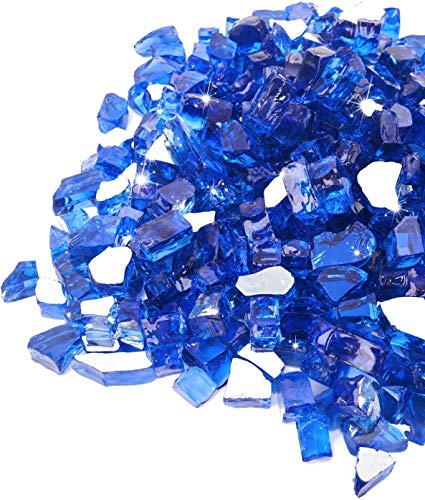
Tempered glass in various colors and shapes — reflective, matte, or iridescent. Fire glass produces a modern, shimmering effect and is easy to clean since it does not absorb soot.
Best for: Contemporary indoor fireplaces, linear burners, and homeowners who want a clean, polished aesthetic.
Ceramic Fire Stones
Manufactured ceramic spheres or pebbles that mimic the look of natural river stones. They are lightweight, uniform in size, and available in neutral earth tones that complement many interior styles.
Best for: Transitional and modern interiors, and installations where consistent stone size is preferred.
River Rocks & Natural Stones
Genuine river rocks and heat-rated natural stones offer an organic, spa-like appearance. They are heavier than lava rock and provide excellent thermal mass, slowly releasing warmth after the flame is turned off.
Best for: High-end installations, outdoor fire features, and designs that emphasize natural materials.
Geometric & Specialty Stones
Designer media such as faceted crystal stones, diamond shapes, and metallic-finished spheres. These are statement pieces that catch and reflect light dramatically.
Best for: Luxury remodels, hotel-style interiors, and feature walls where the fireplace is the centerpiece.
Tumbled Stone Pebbles
Smooth, rounded pebbles available in neutral grays, beiges, and blacks. Tumbled stones are an economical way to add texture without the rough appearance of raw lava rock.
Best for: Casual living rooms, beach-themed decor, and secondary fireplaces.
Fireplace Stone Comparison at a Glance
| Stone Type | Appearance | Heat Performance | Maintenance | Best Use Case |
|---|---|---|---|---|
| Lava Rocks | Rugged, matte, natural | Good flame dispersion | Low — occasional dusting | Rustic & outdoor setups |
| Fire Glass | Reflective, modern, colorful | Moderate; reflects heat | Very low — wipe clean | Contemporary linear fireplaces |
| Ceramic Stones | Uniform, smooth, earthy | Moderate; even distribution | Low — rinse if needed | Transitional interiors |
| River Rocks | Organic, polished, natural | Excellent thermal mass | Moderate — inspect for cracks | Premium indoor & outdoor |
| Geometric Stones | Faceted, glamorous, sculptural | Good; light reflection | Low — handle with care | Luxury feature walls |
| Tumbled Pebbles | Soft, rounded, neutral | Good; gentle dispersion | Low — occasional rinse | Casual & beach-style decor |
How to Choose the Right Fireplace Stones
Selecting fireplace stones for a gas fireplace is not simply a matter of picking a color you like. Several technical and practical factors determine which media will perform best in your specific unit. Before purchasing, consult your fireplace manual or consult our gas fireplace installation requirements guide to confirm what the manufacturer approves.
1. Verify Heat Rating and Compatibility
Not all stones are safe for gas fireplaces. Natural stones such as river rocks can crack or explode if they contain moisture or trapped air. Only use media explicitly rated for gas fireplace use — typically lava rock, tempered fire glass, or ceramic stones. Using unrated materials can void your warranty and create a safety hazard.
2. Match Stone Size to Burner Type
Burner design dictates the ideal stone size. A standard pan burner works well with medium to large lava rocks or river stones, while a linear burner — common in modern contemporary fireplace designs — performs best with smaller, uniform media like fire glass or ceramic pebbles. Oversized stones can smother the flame, while undersized media may fall through the burner grate.
3. Consider the Desired Flame Appearance
If you want a tall, dancing flame, choose lava rocks or irregular stones that create gaps for gas to escape. If you prefer a low, ribbon-like flame, fire glass or flat ceramic stones will produce a more controlled look. The arrangement matters as much as the material — stacking stones too densely chokes the flame and reduces efficiency.
4. Account for Heat Output Needs
Materials with high thermal mass, such as river rocks and dense ceramic stones, continue radiating heat after the burner is off. This is beneficial in rooms where you want sustained warmth. If your goal is ambiance rather than heating, lighter media like fire glass may be sufficient. For a deeper dive into heating performance, see our fireplace heating capacity BTU guide.
5. Plan for Maintenance
Fire glass and ceramic stones are the easiest to maintain — a quick wipe or rinse restores their shine. Lava rocks and river stones require occasional dusting and inspection for cracks or soot buildup. Regardless of material, regular cleaning of the burner area keeps your fireplace operating safely. Our guide to cleaning a gas fireplace burner covers the step-by-step process.
How to Arrange Fireplace Stones for Best Results
Proper arrangement is critical for both safety and aesthetics. Follow these general guidelines when placing fireplace stones in your gas unit:
- Start with a base layer: Cover the burner pan evenly with a single layer of stones, leaving the burner ports partially exposed so gas can flow freely.
- Avoid blocking the pilot: If your fireplace has a standing pilot, keep stones at least an inch away from the pilot assembly to prevent interference.
- Build depth gradually: Add a second layer only if the manufacturer permits. Overloading the burner can cause incomplete combustion and soot buildup.
- Create visual interest: Mix stone sizes or combine materials — for example, lava rocks as a base with fire glass accents — to add dimension.
- Leave the front edge clear: Keep the front lip of the burner tray free of stones so flames can breathe and the fireplace glass remains clear.
Quick Sizing Reference
- Small media (1/4"–1/2"): Best for linear burners and low-profile fireplaces.
- Medium media (1/2"–1"): Versatile; works with most standard pan burners.
- Large media (1"–3"): Ideal for outdoor fireplaces and large fireboxes.
- Mixed sizes: Creates the most natural, organic flame pattern.
Safety Considerations for Gas Fireplace Stones
Safety should always come first when modifying your gas fireplace. Keep the following in mind:
- Never use stones collected from outdoors — they may contain moisture, organic matter, or minerals that crack under heat.
- Always let the fireplace cool completely before adding, removing, or rearranging stones.
- Do not cover the burner completely; a smothered flame produces carbon monoxide. Learn to recognize the signs of carbon monoxide from a fireplace.
- Keep children and pets away from the fireplace area, and maintain safe furniture distance from the fireplace.
- Schedule an annual gas fireplace inspection to ensure the burner and media are in good condition.
Design Ideas Using Fireplace Stones
Fireplace stones are not only functional — they are a design element. Here are a few ways homeowners use them to elevate their interiors:
- Monochromatic modern: Use black or clear fire glass in a linear burner for a sleek, minimalist look that pairs well with modern fireplace ideas.
- Warm rustic: Combine lava rocks with a rustic wood fireplace mantel shelf for a cabin-inspired aesthetic.
- Coastal calm: White and gray tumbled pebbles complement coastal fireplace ideas and light-colored surrounds.
- Luxury statement: Faceted crystal stones catch light and add glamour to contemporary fireplace designs.
- Contrast layering: Pair dark stones with a white stone fireplace surround for dramatic visual contrast.
If you are planning a larger renovation, consider how the stone media interacts with the surrounding materials. A fireplace mantel for a gas fireplace can frame the opening and draw the eye toward the flame, while the stones provide texture at the base.
Ready to Upgrade Your Gas Fireplace?
Browse our curated selection of fireplace stones and media designed specifically for gas fireplaces. Find the perfect match for your style and heating needs.
View Recommended ProductsFrequently Asked Questions About Fireplace Stones
Final Thoughts
Choosing the right fireplace stones for your gas fireplace is a balance of aesthetics, performance, and safety. Whether you prefer the rugged look of lava rocks, the modern shimmer of fire glass, or the natural elegance of river stones, the key is to select media that is heat-rated, correctly sized, and properly arranged.
Take the time to review your fireplace manual, consider your design goals, and invest in quality materials. With the right stones, your gas fireplace can become the warm, inviting centerpiece your home deserves. For more guidance on maintaining and enjoying your fireplace, explore our fireplace FAQ and fireplace buying guide.