Fireplace Blowers for Wood Burning Fireplaces
Transform your wood fireplace into an efficient heating system. Learn how blowers work, their benefits, installation tips, and find the best models to maximize heat output.
SHOP TOP BLOWERSWhy Consider a Fireplace Blower? A fireplace blower (or heat circulating fan) can increase your wood fireplace's heating efficiency by up to 30–50%. Instead of letting most of the heat escape up the chimney, a blower pushes warm air into your room, making your fireplace a more effective heat source and potentially reducing your heating usage.
How Does a Fireplace Blower Work?
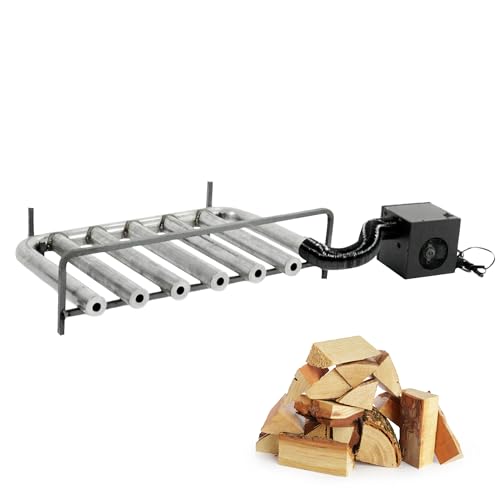
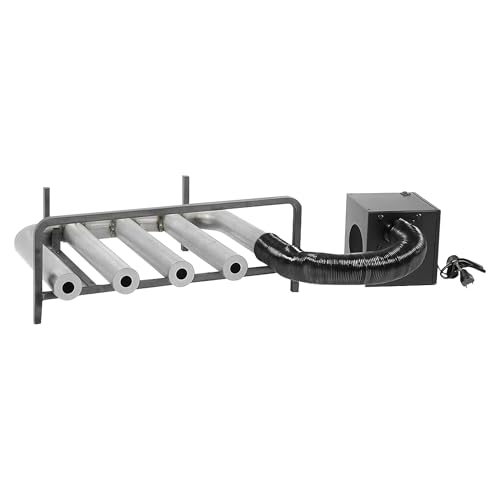
A fireplace blower for wood burning fireplaces is a fan system installed at the back or bottom of the firebox. It draws in cool air from the room, passes it through a heat exchanger (usually metal tubes or chambers) that sits against the hot firebox walls, and then blows the heated air back into the room through vents. This process, known as forced convection, significantly improves heat distribution compared to a fireplace that relies solely on radiant heat.
Most blowers are thermostatically controlled, meaning they turn on automatically when the firebox reaches a certain temperature (typically around 120–140°F) and shut off as the fire cools. This not only saves energy but also protects the blower motor from overheating. If you're exploring ways to improve your fireplace heating capacity, a blower is one of the most effective upgrades you can make.
Key Benefits of a Fireplace Blower
🔥 Increased Heat Output
Distributes warm air more effectively, turning your fireplace from a decorative feature into a functional heat source that can heat larger areas.
💰 Lower Heating Usage
By maximizing the heat from each log, you reduce reliance on central heating, potentially saving significantly during winter months.
🌡️ Consistent Room Temperature
Eliminates cold spots and creates a more even temperature throughout the room, making your living space more comfortable.
🔇 Quiet Operation
Modern fireplace blower fans are designed to operate quietly, so you can enjoy the ambiance of a crackling fire without disruptive noise.
🔄 Customizable Airflow
Many models offer variable speed controls, allowing you to adjust the fan speed to match your heating needs and room size.
♻️ Eco-Friendly Heating
Burning wood more efficiently means less smoke and particulate matter, and you get more heat from every piece of firewood.
Types of Fireplace Blowers
Choosing the right blower depends on your fireplace type and heating needs. Here are the main categories:
| Type | Best For | Key Features | Investment Tier |
|---|---|---|---|
| Fireplace Insert Blowers | Wood-burning fireplace inserts | Built-in design, high CFM (cubic feet per minute), integrated heat exchanger | Mid-range |
| Freestanding Blower Kits | Open-hearth fireplaces & standard fireboxes | Retrofittable, external mount, variable speeds, easy installation | Entry-level to Mid-range |
| Heat-Activated Stove Fans | Wood stoves & freestanding stoves | No electricity required, runs on thermoelectric power, silent | Entry-level |
| High-CFM Circulating Fans | Large rooms & open floor plans | Powerful airflow, multiple speed settings, remote control optional | Mid-range to Premium |
If you're considering a fireplace insert, many units come with integrated blowers. For existing fireplaces, installing a fireplace blower is a cost-effective way to upgrade performance without replacing the entire unit.
Installation Guide: Installing Your Fireplace Blower
Installing a blower is often a straightforward DIY project, but it depends on your fireplace type. Always check the manufacturer's instructions and local building codes. Below is a general guide for installing a freestanding blower kit:
Step-by-Step Installation
- Choose the right location – The blower unit typically mounts at the back or bottom of the firebox. Ensure there's enough clearance and access to a power outlet.
- Measure and mark – Position the blower housing and mark the mounting holes. Use a level to ensure the unit sits evenly.
- Install the blower – Secure the blower housing using the provided screws and brackets. Make sure the blower's air intake is unobstructed.
- Route the power cord – Run the power cord safely away from hot surfaces. Use a heat-resistant sleeve or conduit if necessary.
- Connect the thermostat sensor – Place the thermal sensor on the firebox wall (as instructed) to enable automatic on/off operation.
- Test the system – Light a fire and wait for the thermostat to activate the blower. Adjust the speed settings to your preference.
Note: If you are uncomfortable with electrical work or your fireplace requires modifications, consult a professional. For more detailed instructions, read our DIY fireplace blower guide.
Maintenance & Safety Tips
To keep your fireplace blower running efficiently and safely, regular maintenance is essential. Here are the most important maintenance practices:
- Clean the blower regularly – Dust and ash buildup can reduce efficiency and strain the motor. Use a soft brush or vacuum to clean the fan blades and housing at least twice during the heating season.
- Inspect the power cord – Check for any fraying or damage before each use. Never use a damaged cord.
- Test the thermal sensor – Ensure the sensor is securely attached to the firebox wall and free of debris. A loose or dirty sensor can cause the blower to malfunction.
- Monitor for unusual noise – Squealing or grinding sounds may indicate a worn-out bearing or motor. Address these issues immediately to prevent failure.
- Follow safety clearances – Always maintain proper clearance between the blower and combustible materials as specified in the manual.
For overall fireplace care, explore our complete fireplace maintenance guide, which covers everything from ash removal to chimney inspections.
How to Choose the Right Blower
Selecting the right fireplace blower for wood burning fireplaces depends on several factors. Consider the following when making your decision:
Room Size
For rooms up to 400 sq ft, a 200–300 CFM blower is sufficient. For larger spaces (500+ sq ft), choose a blower with 400+ CFM.
Fireplace Type
Insert fireplaces often have dedicated blowers. Open-hearth fireplaces benefit from freestanding kits. Wood stoves work best with heat-activated fans.
Noise Level
Look for blowers with a noise rating below 40 dB for quiet operation, especially if you plan to use the fireplace in living areas or bedrooms.
Controls & Features
Variable speed controls, remote operation, and automatic thermostatic sensors add convenience and efficiency. Choose based on your preferences.
For a deeper understanding of sizing and efficiency, check our BTU and heating capacity guide.
Frequently Asked Questions
For more answers to common fireplace questions, visit our comprehensive fireplace FAQ page.
Troubleshooting Common Blower Issues
If your fireplace blower isn't performing as expected, here are some common issues and solutions:
- Blower not turning on – Check the power supply, fuse, and ensure the thermostat sensor is properly positioned. The firebox may not be hot enough to trigger the sensor.
- Weak airflow – Clean the fan blades and the intake grille. Dust and ash accumulation are the most common causes of reduced performance.
- Unusual noise – Inspect for loose parts or debris. If the noise persists, the motor bearing may be failing and might need replacement.
- Blower won't shut off – The thermostat sensor may be misaligned or faulty. Check its position and clean the contact surface.
For more detailed solutions, explore our fireplace troubleshooting hub.
Final Recommendations
A fireplace blower for wood burning fireplaces is one of the most effective and accessible upgrades you can make to improve your home's heating efficiency. Whether you opt for a freestanding blower kit, an insert blower, or a heat-activated stove fan, the benefits in terms of comfort, operating savings, and environmental impact are substantial.
Before purchasing, measure your firebox, consider your room size, and evaluate the features that matter most to you – from noise levels to control options. With the right blower, your wood fireplace can become a powerful, efficient heating source that keeps you warm all winter long.
Ready to upgrade your fireplace? Browse our curated selection of top-rated blowers below.