Ethanol Fuel for Tabletop Fireplace: The Complete Guide
Everything you need to know about choosing, using, and storing ethanol fuel for your tabletop fireplace. Make an informed decision for a cleaner, safer burn.
Explore Fuel TypesWhy Ethanol Fuel Matters: The fuel you choose directly impacts your tabletop fireplace's burn time, heat output, and safety. This guide will help you understand the different types of ethanol fuel available so you can enjoy a beautiful, clean-burning flame in your home.
Why Ethanol Fuel is Ideal for Tabletop Fireplaces
Tabletop fireplaces have become increasingly popular for their ability to bring warmth and ambiance to small spaces without the need for a chimney or gas line. At the heart of these portable fire features is the fuel they use. Ethanol fuel, also known as bioethanol, is a renewable, clean-burning alcohol that produces a real flame without smoke, soot, or ash.
Unlike traditional wood-burning fireplaces, a tabletop fireplace using ethanol fuel can be placed almost anywhere in your home, from a dining table to a coffee table. This flexibility makes them a great choice for apartments, condos, and even outdoor patios with proper ventilation. If you are still exploring which fireplace type suits your home best, our guide on choosing the right fireplace for your home can provide a helpful overview.
Types of Ethanol Fuel for Tabletop Fireplaces
Not all ethanol fuels are created equal. Understanding the differences is crucial for both performance and safety.
Bioethanol Fuel
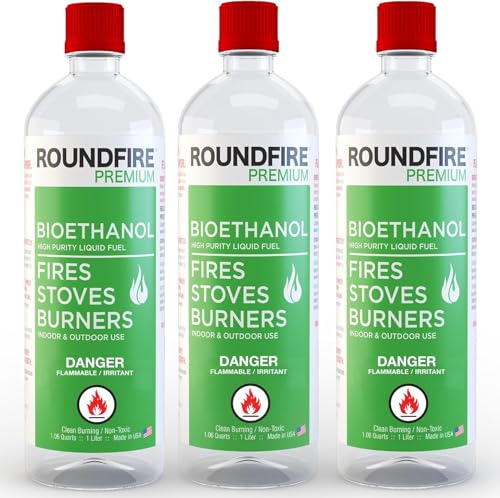
This is the most common and recommended fuel for tabletop fireplaces. It is derived from plant materials like corn, sugarcane, or wheat, making it a renewable resource. Bioethanol burns cleanly, producing only heat, steam, and a small amount of carbon dioxide—similar to what humans exhale. It is available in various concentrations, but for fireplace use, you should always look for fuel that is at least 95% pure.
Denatured Alcohol
Denatured alcohol is ethanol that has been made unfit for consumption by adding small amounts of methanol or other chemicals. While it can be used in some ethanol fireplaces, it is generally not recommended. It can burn less cleanly and may produce odors or harmful fumes. Always check your fireplace's manual for approved fuel types. For maintenance and care tips, refer to our guide on ethanol fireplace maintenance.
Gel Fuel
Gel fuel is a semi-solid form of alcohol fuel often used in portable fireplaces. It is generally safer for beginners as it is less likely to spill. However, it can be more expensive per burn and may not provide the same level of heat or flame realism as liquid ethanol. It is a good option for those who want a very simple, low-maintenance experience.
Ethanol Fuel Comparison at a Glance
| Fuel Type | Burn Quality | Heat Output | Odor | Recommended Use |
|---|---|---|---|---|
| Bioethanol (95%+) | Excellent - Clean, bright flame | High | Minimal to none | Indoor & outdoor tabletop fireplaces |
| Denatured Alcohol | Moderate - Can be inconsistent | Moderate | Potentially strong | Not recommended for indoor use |
| Gel Fuel | Good - Steady, low flame | Low | Varies by brand | Small, decorative tabletop units |
How to Choose the Best Ethanol Fuel
When shopping for ethanol fuel, consider the following factors to ensure you get the best performance from your tabletop fireplace:
- Purity Level: Always choose fuel with a purity of 95% or higher. Lower purity fuel can contain water and other impurities that lead to poor combustion, odors, and a less impressive flame. High-purity fuel is a hallmark of a premium product.
- Source: Look for bioethanol that is derived from renewable plant sources. This ensures a more environmentally friendly burn compared to fossil-fuel-derived alternatives.
- Packaging: Fuel should be sold in a safety container with a child-proof cap. This is critical for safety, especially in homes with children or pets.
- Brand Reputation: Choose a well-known brand that specializes in fireplace fuel. Mid-range and high-end brands often provide more detailed safety information and consistent quality.
Safety Tips for Using Ethanol Fuel
Ethanol fuel is safe when used correctly, but it is still a flammable liquid. Following these safety guidelines is non-negotiable:
- Never refill a hot fireplace: Allow the fireplace to cool completely before adding more fuel. Refilling while the unit is still hot can cause a flash fire or explosion.
- Store safely: Keep fuel in its original, tightly sealed container, away from heat sources and out of reach of children and pets. Store in a cool, dry place.
- Use in a ventilated area: While ethanol burns cleanly, it still consumes oxygen. Always use your tabletop fireplace in a well-ventilated room. For more details on safe usage, see our article on using a fireplace every day.
- Do not overfill: Follow the manufacturer's instructions for the maximum fill level. Overfilling can lead to fuel spilling and a dangerous flare-up.
- Keep away from flammable materials: Ensure curtains, papers, and other combustibles are at a safe distance from the flame. Our guide on furniture distance from a fireplace offers more information.
Frequently Asked Questions
Can I use rubbing alcohol in my tabletop fireplace?
No. Rubbing alcohol (isopropyl alcohol) is not the same as bioethanol and is not designed for use in fireplaces. It can burn with a smoky flame, produce toxic fumes, and damage your unit. Always use fuel specifically designed for ethanol fireplaces.
How long does a tabletop fireplace burn on one fill?
Burn time depends on the size of the fuel reservoir and the flame setting. Typically, a small tabletop fireplace can burn for 1 to 3 hours on a single fill. Larger units may burn for 4 hours or more. Using a high-quality fuel can help you achieve the maximum burn time.
Is ethanol fuel safe to use indoors?
Yes, when used as directed. Bioethanol is a clean-burning fuel that produces no smoke or soot. However, it does produce carbon dioxide and water vapor, so it's important to use it in a room with adequate ventilation. It's also wise to have a carbon monoxide detector in your home for added safety, as discussed in our article on carbon monoxide signs from a fireplace.
What is the difference between bioethanol and ethanol?
Bioethanol is a type of ethanol that is produced from biological sources (like plants), whereas ethanol can also be produced from petrochemical sources. For fireplace use, bioethanol is preferred because it is renewable and burns more cleanly. The terms are often used interchangeably in the context of fireplace fuel, but "bioethanol" is the more specific and preferred term.
Do tabletop ethanol fireplaces produce heat?
Yes, they produce a moderate amount of heat. While they are primarily used for ambiance, a tabletop ethanol fireplace can provide supplemental heat for a small area. However, they are not intended to be a primary heat source for a large room. For more on heating capabilities, see our guide on fireplace heating capacity.
Final Thoughts
Choosing the right ethanol fuel is a simple but critical step in getting the most out of your tabletop fireplace. By selecting a high-purity bioethanol fuel from a reputable brand, you ensure a clean, safe, and beautiful flame that will enhance your space for hours. Remember to always prioritize safety, follow the manufacturer's instructions, and enjoy the unique ambiance that only a real flame can provide.
Before you make your purchase, it's a good idea to have a clear understanding of your overall budget. Our article on the fireplace cost breakdown can help you plan for both the unit and the ongoing cost of fuel.