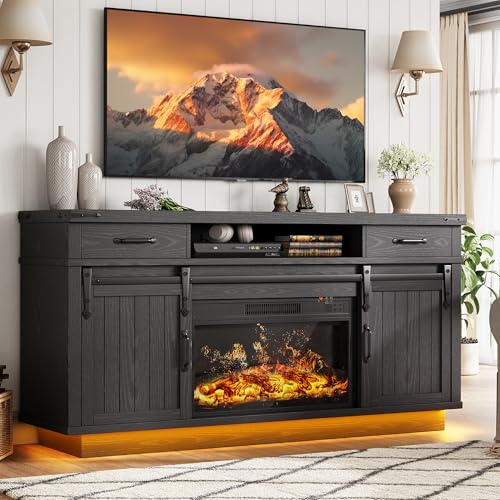
Entertainment Center with Infrared Fireplace: The Ultimate Buying Guide
Discover how an entertainment center with an infrared fireplace combines media storage, ambient design, and targeted heating into one functional furniture piece. This guide covers design options, heating performance, installation, and what to look for before you buy.
See Recommended ModelsWhy Choose an Infrared Fireplace Entertainment Center? Unlike traditional electric fireplaces that rely on fan-forced heating, infrared models use quartz or carbon tubes to emit radiant heat. This means faster warmth, quieter operation, and better efficiency for zone heating. Combined with a media console, it becomes a space-saving centerpiece for living rooms, bedrooms, and apartments.
What Is an Entertainment Center with Infrared Fireplace?
An entertainment center with an infrared fireplace is a multi-functional furniture unit that integrates a TV stand or media console with an electric fireplace that uses infrared heating technology. These units typically feature shelves for media components, cable management, and a built-in fireplace insert that provides both visual ambiance and supplemental heat. Unlike traditional wood or gas fireplaces, infrared models require no venting, chimney, or gas line, making them ideal for apartments, condos, and homes without existing fireplace infrastructure. For a broader understanding of how electric fireplaces work, see our beginner's guide to fireplaces.
The "infrared" aspect refers to the heating element. Infrared heaters warm objects and people directly rather than heating the air, which can feel more immediate and comfortable. Many models also include a realistic flame effect with adjustable brightness and color. If you are comparing fuel types, our types of fireplaces explained article can help clarify the differences.
Infrared vs. Standard Electric Fireplace Heating
Not all electric fireplaces are the same. Standard models use a fan-forced heating element, which blows warm air into the room. Infrared models use radiant heat, which warms surfaces and occupants directly. Here is how they compare:
- Heating Speed: Infrared units typically produce noticeable warmth faster because they do not rely on circulating air.
- Noise Level: Infrared heaters are generally quieter since they often lack a high-speed blower fan.
- Air Quality: Infrared heat does not dry out the air as much as fan-forced heaters, which can be beneficial for people with respiratory sensitivities.
- Efficiency: Both types are nearly 100% efficient at converting electricity to heat, but infrared may feel more effective for spot heating.
- Best Use Case: Infrared is ideal for zone heating in rooms where you want quick, quiet warmth without adjusting the central thermostat.
If you are considering how much a fireplace costs to run, our guide on whether electric fireplaces are expensive to run provides a detailed breakdown.
Design Styles and Placement Options
Entertainment centers with infrared fireplaces come in a variety of designs to match different interior aesthetics. The most common configurations include:
- Corner Units: Space-saving designs that fit into corners, ideal for small living rooms. See our corner TV stand with fireplace guide for specific sizing.
- Wall Units: Full-wall entertainment centers that combine shelving, cabinets, and a fireplace for a built-in look. Explore wall-mounted entertainment center options.
- TV Stands: Compact units designed to support a television up to a specific size, with the fireplace positioned below. For larger TVs, see our entertainment center for 75-inch TV recommendations.
- Bookcase Units: Models that include open shelving or cabinets on both sides of the fireplace. Our fireplace entertainment center with bookshelves article covers this style in depth.
- Modern & Contemporary: Sleek, minimalist designs with linear flame effects and high-gloss finishes. See contemporary entertainment center ideas.
- Farmhouse & Rustic: Distressed wood finishes, barn door accents, and X-pattern details. Our white farmhouse entertainment center guide offers inspiration.
Placement is equally important. The unit should be positioned where the TV is at a comfortable viewing height and the fireplace is not blocked by furniture. Maintain safe clearance from combustibles; our furniture distance from fireplace guide provides specific recommendations.
Key Features to Evaluate Before Buying
When shopping for an entertainment center with an infrared fireplace, focus on these features:
- Heating Capacity: Most infrared inserts produce between 1,000 and 1,500 watts, sufficient for supplemental heat in rooms up to 400 square feet. For larger spaces, consider a higher-output model. Our heating capacity BTU guide explains how to calculate your needs.
- Flame Realism: Look for models with adjustable flame brightness, color options, and realistic log or crystal media. Some premium units offer crackling sound effects. See our electric fireplace logs with crackling sound page for examples.
- Remote & Smart Controls: Many models include a remote control, thermostat, and timer. Some support Wi-Fi or app control. See our smart Wi-Fi fireplace controller guide.
- TV Size Compatibility: Ensure the unit's top surface can accommodate your TV's width and weight. Common sizes include 55-inch, 65-inch, 75-inch, and 85-inch. We have dedicated guides for 65-inch, 70-inch, and 85-inch TVs.
- Storage & Cable Management: Adjustable shelves, closed cabinets, and rear cutouts for cables are important for keeping media components organized. See our entertainment center with storage guide.
- Material & Build Quality: Engineered wood is common, but solid wood and metal accents offer greater durability. Our real wood entertainment center article covers premium options.
Installation and Safety Considerations
One of the biggest advantages of an infrared fireplace entertainment center is ease of installation. Most units are plug-and-play: simply position the unit, plug it into a standard household outlet, and it is ready to use. No chimney, venting, or gas line is required. For a step-by-step overview, see our electric fireplace installation guide.
Safety features to look for include:
- Overheat Protection: Automatically shuts off the heater if it gets too hot.
- Cool-Touch Glass: Keeps the front glass safe to touch, important for homes with children or pets.
- Tip-Over Shutoff: Some freestanding models include this feature.
- Thermostat Control: Maintains a consistent temperature and prevents overheating.
If you are concerned about indoor air quality, our article on whether electric fireplaces produce carbon monoxide explains why electric models are safe. For general safety around fireplaces, see our ember safety guide.
Maintenance and Longevity
Infrared fireplace entertainment centers require minimal maintenance compared to wood or gas fireplaces. Routine care includes:
- Dusting the unit and wiping it with a dry or slightly damp cloth.
- Cleaning the fireplace glass with a non-abrasive cleaner. See our guide to cleaning fireplace glass.
- Checking and cleaning the heater vents to prevent dust buildup.
- Inspecting the power cord for damage.
For a complete maintenance schedule, see our monthly and yearly maintenance schedule. If you ever encounter issues, our electric fireplace not heating troubleshooting guide can help.
Frequently Asked Questions
Do infrared fireplaces really heat a room?
Yes, infrared fireplaces provide supplemental heat. Most models are designed to heat a single room or zone, typically up to 400 square feet. They are not intended to replace a primary heating system but can reduce reliance on central heating. For more details, see our do electric fireplaces heat a room article.
Can I put a TV above an infrared fireplace?
Many entertainment centers are designed with the TV positioned above the fireplace. However, heat rising from the fireplace can potentially affect the TV over time. Look for models with a heat deflector or a design that directs heat forward rather than upward. Our TV above fireplace safety guide explains this in detail.
How much electricity does an infrared fireplace use?
Most infrared fireplace inserts draw between 1,000 and 1,500 watts when the heater is on. The flame effect alone uses very little electricity. For a detailed breakdown, see our fireplace electricity usage guide.
Is an entertainment center with an infrared fireplace hard to assemble?
Assembly varies by model. Some units come fully assembled, while others require basic assembly. Our guide on TV stands with no assembly required highlights ready-to-use options.
Can I use it in an apartment or rental?
Yes. Because these units are plug-in and do not require venting or permanent installation, they are renter-friendly. See our apartment fireplace installation guide for tips.