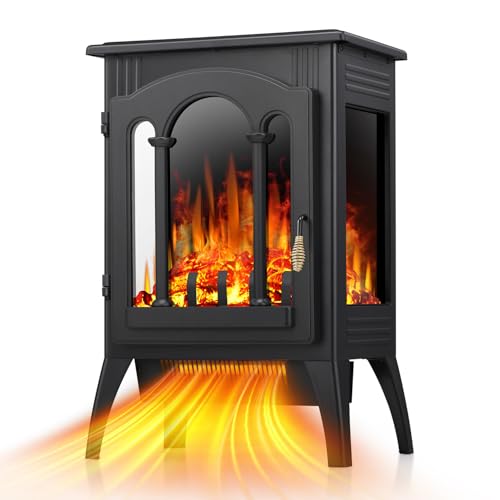
Electric Stove Heater with Thermostat: The Ultimate Guide
Discover how a thermostat-controlled electric stove heater can deliver efficient, targeted warmth with the charming look of a traditional stove.
View Top RecommendationsWhy Thermostat Control Matters: A thermostat transforms a simple space heater into a smart heating appliance. It automatically maintains your desired temperature, cycling the heater on and off as needed. This prevents overheating, reduces energy waste, and keeps your room consistently comfortable without constant manual adjustment.
What Is an Electric Stove Heater with Thermostat?
An electric stove heater with thermostat is a portable or freestanding heating appliance designed to mimic the appearance of a traditional wood-burning stove while using electricity as its power source. Unlike a central heating system, these units provide zone heating—warming only the room you occupy. The integrated thermostat is the key feature: it senses the ambient temperature and automatically regulates the heater's operation to maintain your set comfort level.
These heaters are part of the broader family of electric fireplace and heating types, but they stand out for their compact footprint and retro aesthetic. Many models now rival the most energy-efficient fireplace types in terms of focused heat delivery. If you're new to the world of fireplaces and heaters, our beginner's guide provides essential context.
How Does a Thermostat-Controlled Electric Stove Work?
The operation is straightforward yet effective. Here's a breakdown of the typical mechanism:
- Heating Element: Most electric stove heaters use either infrared quartz tubes or metal coil elements. Infrared models are known for quiet, immediate warmth, while coil models tend to be more budget-friendly.
- Thermostat Sensor: A built-in sensor continuously reads the room temperature. You set your target temperature on a dial or digital panel.
- Automatic Cycling: When the room is colder than your set point, the heater activates. Once the target temperature is reached, it shuts off. This cycle repeats, maintaining a stable environment.
- Flame Effect: Independent of the heating function, most units feature a realistic LED flame effect that can be used year-round for ambiance, even when the heat is off. You can learn more about this in our article on whether electric fireplaces are tacky or realistic.
For a deeper dive into the technology behind these devices, see our guide on whether electric fireplaces really heat a room.
Key Features to Look For
Thermostat Type
Basic models use a mechanical dial. Mid-range and premium units offer digital thermostats with precise temperature settings and programmable timers. For more advanced control, see our fireplace thermostat guide.
Heating Capacity
Measured in BTUs or watts. A 1500-watt unit typically produces around 5,100 BTUs, sufficient for a room up to 400 square feet. Our BTU guide explains this in detail.
Safety Features
Look for overheat protection and a tip-over switch. These are standard on quality models and crucial for peace of mind. See our safety guide on leaving a fireplace on overnight.
Remote Control
A remote lets you adjust the thermostat and flame settings from across the room. Many also have a smart Wi-Fi controller for app-based operation.
Blower Fan
A blower helps distribute heat more evenly. Learn about the difference in our blower vs fan comparison and how to install a fireplace blower.
Flame Realism
The quality of the flame effect varies. Some models offer a very convincing, realistic-looking electric fireplace insert experience with adjustable brightness and color.
Electric Stove Heater vs. Other Heating Options
To help you decide if this is the right choice for your home, here's a comparison based on key characteristics.
| Feature | Electric Stove Heater (with Thermostat) | Central Heating | Traditional Wood Stove |
|---|---|---|---|
| Installation | Plug-and-play; no venting required | Professional ductwork installation | Requires chimney and professional installation |
| Heating Zone | Single room (zone heating) | Whole house | Single room or small area |
| Maintenance | Minimal; dusting and occasional cleaning. See our electric fireplace cleaning guide. | Regular filter changes and annual servicing | Frequent ash removal, chimney cleaning. See our ash removal guide. |
| Efficiency | High; nearly all electricity converts to heat. Learn more about running costs. | Varies; energy lost in ductwork | Lower; significant heat lost up the chimney |
| Best For | Supplemental heat, apartments, small spaces. See our guide for small spaces. | Whole-home comfort | Aesthetic appeal and off-grid heating |
For a broader comparison, see our articles on electric vs gas vs wood fireplaces and the pros and cons of each fireplace type.
The Benefits of a Thermostat-Controlled Electric Stove
- Energy Savings: By heating only the room you're in and automatically managing temperature, you avoid wasting energy on unoccupied spaces. This is a core principle of fireplace energy-saving tips.
- Convenience: No wood to chop, no gas lines to connect, no chimney to clean. Just plug it in and set your desired temperature. This makes them ideal for apartment installations.
- Aesthetic Appeal: They bring the cozy, rustic charm of a stove without the mess and smell of a real fire. You can even decorate them seasonally, as shown in our DIY fireplace Christmas guide.
- Safety: Modern electric heaters are much safer than open fires. They produce no carbon monoxide, which is a key point in our article on whether electric fireplaces produce CO.
- Versatility: Use the flame effect without heat in the summer, or use the heater without the flame for discreet warmth. This dual functionality is a major advantage over traditional heating.
Maintenance and Troubleshooting
Maintenance for an electric stove heater is remarkably simple. Regular dusting of the exterior and ensuring the air intake vents are clear is usually sufficient. For a complete checklist, refer to our electric fireplace maintenance tips.
If you encounter issues, most are easily resolved. For example, if your unit isn't heating, see our guide on what to do when an electric fireplace is not heating. If the remote stops working, our article on fixing an electric fireplace remote can help. A common troubleshooting step is a simple reset, which you can learn in our guide on how to reset an electric fireplace. For a comprehensive list of issues, visit our main fireplace troubleshooting hub.
Frequently Asked Questions
Yes, most modern units are designed for safe overnight use, provided they have overheat protection and a tip-over switch. However, always follow the manufacturer's instructions. For more details, read our article on leaving a fireplace on overnight and sleeping with a fireplace on.
The cost depends on your local electricity rates, the wattage of the heater, and how often it runs. A thermostat helps reduce costs by preventing the heater from running constantly. For a detailed breakdown, see our articles on daily running costs and electric vs gas running costs.
No. One of the biggest advantages of electric heaters is that they are completely vent-free. They can be placed in any room with a standard electrical outlet. This is explained in our guide on whether all fireplaces need a chimney.
Most standard 1500-watt models are effective for rooms up to 400 square feet. For larger spaces, you may need a more powerful unit or multiple heaters. Our guide on how to size a fireplace can help you calculate your needs.