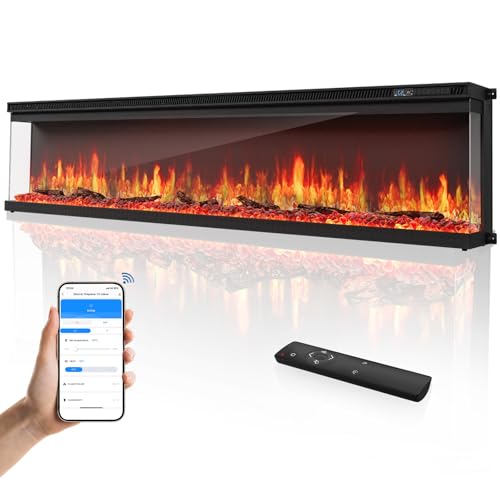
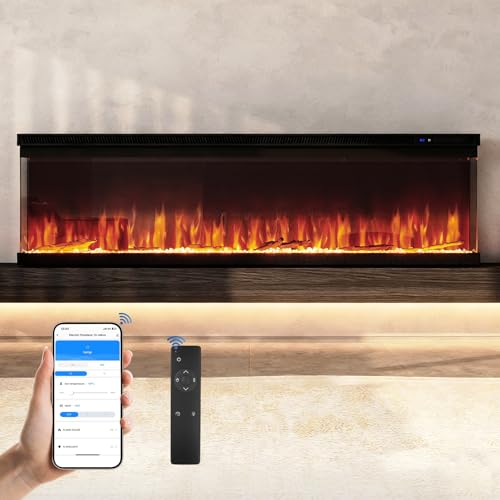
Electric Fireplace with Built-in Speakers: Complete Guide
Discover how integrated audio transforms your fireplace from a visual feature into a full sensory experience. Learn what to look for, how the technology works, and which models deliver the best sound quality.
Why Built-in Speakers Matter: A fireplace has always been about more than heat—it's about atmosphere. When you combine realistic flames with high-quality audio, you create an environment that engages sight and sound simultaneously. This guide helps you understand whether an electric fireplace with built-in speakers is right for your home and how to choose the best one.
What Is an Electric Fireplace with Built-in Speakers?
An electric fireplace with built-in speakers is a heating and ambiance appliance that integrates audio output directly into its housing. Unlike traditional fireplaces that rely solely on visual flame effects, these models include one or more speakers—often Bluetooth-enabled—that allow you to stream music, podcasts, or ambient sounds directly from your phone, tablet, or computer.
These fireplaces are part of a broader trend toward multi-functional home appliances. Just as you might choose a TV stand with built-in speakers and fireplace to consolidate your entertainment setup, an electric fireplace with integrated audio eliminates the need for separate speakers while enhancing the overall ambiance of your room.
The technology behind these units is straightforward: a Bluetooth receiver captures audio from your device, amplifies it through built-in speakers, and projects it into the room. Many models also include a subwoofer for bass response, creating a more immersive experience. Some higher-end units offer multiple speakers positioned to create a stereo or surround-sound effect.
It's important to note that the audio quality of built-in speakers varies significantly across product tiers. Entry-level models typically provide basic sound suitable for background music or casual listening. Mid-range models offer improved clarity and volume, while premium and luxury units may include dedicated subwoofers and multi-speaker configurations that rival standalone soundbars.
How Built-in Speaker Technology Works
Understanding the technology helps you evaluate different models and set realistic expectations. Here's what happens inside an electric fireplace with built-in speakers:
Bluetooth Connectivity
The most common wireless protocol for these fireplaces is Bluetooth. When you pair your device, the fireplace's receiver accepts the audio signal and routes it to the internal amplifier. Bluetooth range typically extends 30 to 50 feet in open spaces, though walls and other obstacles can reduce this. Some models also support Wi-Fi for streaming services directly, though this feature is less common.
Amplification and Speaker Placement
Once the audio signal is received, it passes through an amplifier that boosts the signal to drive the speakers. The placement of these speakers varies by design. Some models position speakers on the sides of the firebox, while others place them below or above the flame display. The goal is to create balanced sound that fills the room without being muffled by the fireplace's housing.
For models that include a subwoofer, the bass driver is typically mounted in a separate compartment to prevent vibration from affecting the flame mechanism. This is an important design consideration—poorly isolated subwoofers can cause rattling or interference with the visual display.
Integration with Flame Effects
Some advanced models synchronize audio with flame effects. For example, the flame brightness or color might pulse in time with the music. While this feature is more novelty than necessity, it can add a fun, dynamic element to parties or gatherings. However, most users prefer a consistent flame appearance regardless of audio.
Key Features to Evaluate Before Buying
Not all electric fireplaces with built-in speakers are created equal. Here are the features that matter most:
Audio Quality
Look for models with clear mid-range and treble response. Bass is often limited in compact units, but a dedicated subwoofer makes a significant difference. Read reviews that specifically mention sound performance.
Connectivity Options
Bluetooth is standard, but some models also offer auxiliary input, USB playback, or Wi-Fi streaming. More options mean greater flexibility for different devices and use cases.
Heating Capacity
Speaker quality shouldn't come at the expense of heating performance. Check the BTU rating and ensure it matches your room size. A fireplace heating capacity guide can help you calculate your needs.
Flame Realism
The visual experience remains the primary function of any fireplace. Look for models with adjustable flame brightness, color options, and realistic ember beds. Our guide to the most authentic-looking electric fireplace can help you compare options.
Installation Type
Built-in speakers are available in wall-mounted, freestanding, and insert configurations. Your choice depends on your space and existing fireplace setup. A comparison of wall-mounted vs insert vs freestanding models can clarify your options.
Remote and Smart Features
Most models include a remote control for flame and heat adjustments. Some also support app control or voice assistants. These features add convenience, especially if the fireplace is mounted high on a wall.
Benefits of Choosing a Fireplace with Integrated Audio
Why would you choose an electric fireplace with built-in speakers over a standard model? Here are the most compelling reasons:
1. Simplified Setup with Fewer Devices
Instead of placing a separate Bluetooth speaker near your fireplace, you get everything in one unit. This reduces clutter and eliminates the need for additional power outlets or charging cables. For small living rooms or apartments, this consolidation is a significant advantage.
2. Enhanced Ambiance for Any Occasion
Imagine a quiet evening with soft jazz playing while the flames flicker, or a holiday gathering with festive music filling the room. Built-in speakers let you set the mood without reaching for a separate audio system. The combination of warm visuals and immersive sound creates a more complete sensory experience.
3. Space-Saving Design
Every square foot counts in modern homes. By integrating speakers into the fireplace, you free up floor or shelf space that would otherwise be occupied by a standalone speaker. This is especially valuable in small spaces and apartments where optimizing layout is essential.
4. Ideal for Entertainment Areas
If your fireplace is part of a larger entertainment setup—perhaps near a TV or seating area—built-in speakers can serve as a secondary audio source. They're perfect for background music during gatherings or for listening to podcasts while relaxing. For a fully integrated setup, consider a TV stand with fireplace and Bluetooth speakers.
Potential Drawbacks to Consider
While built-in speakers offer clear benefits, they're not without limitations. Being aware of these drawbacks helps you make an informed decision:
Advantages
- All-in-one convenience
- Reduced cable clutter
- Space-saving design
- Enhanced ambiance
- Easy Bluetooth pairing
- No separate speaker needed
Limitations
- Audio quality may not match dedicated speakers
- Speaker placement is fixed
- Repair can be more complex
- Potential vibration interference
- Higher cost than standard models
- Limited upgrade path
Audio Quality Trade-offs
The most common criticism of built-in speakers is that they don't match the fidelity of standalone audio equipment. This is largely due to size constraints—speakers must fit within the fireplace housing, limiting driver size and enclosure volume. If you're an audiophile seeking premium sound, a separate sound system may still be necessary.
Maintenance and Repair
When electronics are integrated into a single unit, repairs can be more involved. If the speaker fails, you may need to replace the entire fireplace or seek specialized repair services. Regular maintenance, such as cleaning your electric fireplace, can help prevent dust-related audio issues, but mechanical failures may still occur.
Vibration and Rattling
Bass-heavy audio can cause vibrations that lead to rattling sounds, especially in lower-tier models with inadequate damping. If you plan to play music with strong bass, look for models specifically designed to minimize vibration, or consider a model without a subwoofer.
How to Choose the Right Electric Fireplace with Built-in Speakers
With so many options available, narrowing down your choice can feel overwhelming. Follow this step-by-step approach to find the perfect model for your home:
Step 1: Define Your Primary Use Case
Are you looking for a fireplace primarily for heating, ambiance, or entertainment? If audio is a top priority, invest in a mid-range or premium model with better speakers. If you mainly want visual ambiance and occasional background music, an entry-level model may suffice.
Step 2: Measure Your Space
Before shopping, measure the area where you plan to install the fireplace. Consider both the physical dimensions of the unit and the heating capacity you need. A fireplace sizing worksheet can help you organize these details. For rooms with high ceilings or open floor plans, you may need a higher BTU output.
Step 3: Decide on Installation Type
Wall-mounted models save floor space and create a modern look. Freestanding units offer flexibility and can be moved if needed. Insert models are designed to fit into existing fireplaces, making them ideal for electric fireplace for existing fireplace conversions. Each type has different implications for speaker placement and sound projection.
Step 4: Evaluate Audio Specifications
Look for details about speaker wattage, frequency response, and whether a subwoofer is included. While these specifications don't tell the whole story, they provide a starting point for comparison. Reading user reviews that mention sound quality is equally important.
Step 5: Consider Aesthetic Fit
Your fireplace should complement your room's design. Consider the finish, surround materials, and overall style. Whether you prefer a realistic electric fireplace with mantel or a sleek wall-mounted unit, choose a design that aligns with your interior.
Step 6: Check for Smart Features
Remote controls, app connectivity, and voice assistant compatibility add convenience. If you want to control both flame and audio settings from your phone, prioritize models with these features. A smart Wi-Fi fireplace controller can further enhance your experience.
Built-in Speakers vs. Alternative Audio Solutions
How do built-in speakers compare to other ways of adding audio to your fireplace area? Here's a breakdown:
| Solution | Pros | Cons | Best For |
|---|---|---|---|
| Built-in Speakers | All-in-one, no clutter, integrated control | Limited audio quality, fixed placement | Convenience-focused buyers |
| Separate Bluetooth Speaker | Better sound quality, portable | Extra device, needs power/charging | Audio enthusiasts |
| Soundbar | Excellent audio, sleek design | Additional cost, separate remote | Home theater setups |
| Smart Display/Speaker | Voice control, multi-purpose | May not pair with fireplace, visual clutter | Smart home integration |
As the table shows, built-in speakers excel in convenience and integration. If audio fidelity is your top priority, a separate sound system may still be the better choice. However, for most users who want good-enough sound without extra devices, built-in speakers are a practical solution.
Installation and Setup Tips
Proper installation ensures optimal performance for both heating and audio. Here are key considerations:
Placement for Sound Projection
Speakers project sound forward and outward. Avoid placing the fireplace in a corner where sound might be trapped or muffled. If possible, position it so the speakers face the primary seating area. For wall-mounted units, ensure there's enough clearance around the sides for sound to escape.
Power Requirements
Electric fireplaces with speakers draw more power than standard models, especially when both heating and audio are active. Check the amperage requirements and ensure your circuit can handle the load. If you're unsure, consult a licensed electrician. For plug-and-play models, a dedicated outlet is recommended to avoid overloading circuits.
Bluetooth Pairing Best Practices
Keep your device within range and minimize obstructions between it and the fireplace. If you experience dropouts, try moving your device closer or reducing interference from other wireless devices. Some models allow you to rename the Bluetooth connection for easier identification.
Maintenance for Longevity
Dust can accumulate in speaker grilles and vents, degrading sound quality and potentially causing overheating. Regularly maintain your electric fireplace by vacuuming vents and wiping down surfaces. Follow the manufacturer's recommendations for deeper cleaning.
Safety Considerations
Electric fireplaces are generally safe, but built-in speakers introduce additional electronic components that warrant attention:
- Electrical Safety: Ensure the unit is properly grounded and plugged into a compatible outlet. Avoid using extension cords for high-wattage models.
- Overheating: Speakers and amplifiers generate heat. Ensure vents are not blocked and that the unit has adequate clearance from walls and furniture.
- Water Exposure: Keep the fireplace away from water sources. While some models are designed for outdoor use on screened porches, indoor models should never be exposed to moisture.
- Child and Pet Safety: The glass front of electric fireplaces can become warm. Consider a fireplace gate if you have young children or curious pets.
- Carbon Monoxide: Electric fireplaces do not produce carbon monoxide, making them a safer choice than gas or wood alternatives. Learn more about whether electric fireplaces produce CO.
Maintenance and Troubleshooting
Like any electronic device, electric fireplaces with speakers may encounter issues over time. Here's how to address common problems:
Audio Issues
- No Sound: Check that the volume is turned up and that your device is properly paired. Try disconnecting and reconnecting Bluetooth.
- Distorted Sound: Reduce the volume on both your device and the fireplace. Distortion often occurs when the amplifier is overdriven.
- Intermittent Connection: Move your device closer to the fireplace and remove obstacles. Interference from Wi-Fi routers or microwaves can disrupt Bluetooth signals.
Heating Issues
If the heating element stops working, check the thermostat settings and ensure the unit is not in flame-only mode. For persistent issues, consult our guide on electric fireplace not heating for troubleshooting steps. If the flame effect stops working while heat continues, see our article on flame not working but heat is on.
Remote Control Problems
If the remote stops responding, replace the batteries first. If that doesn't work, try resetting the fireplace. Our guide on fixing electric fireplace remote issues provides more detailed steps.
Market Trends and Future Developments
The electric fireplace market continues to evolve, with built-in speakers becoming more sophisticated. Here are trends to watch:
- Integration with Smart Homes: More models are adding Wi-Fi and voice assistant support, allowing seamless control alongside other smart devices.
- Improved Audio Quality: Manufacturers are investing in better speaker components and acoustic design to close the gap with standalone audio systems.
- Multi-Sensory Experiences: Some premium models now include crackling sound effects that sync with the flame, creating a more authentic wood-burning ambiance. See our guide to electric fireplace inserts with crackling sound for more details.
- Energy Efficiency: As with all appliances, energy efficiency continues to improve. Our article on the most energy-efficient electric fireplaces highlights current leaders.
Conclusion: Is an Electric Fireplace with Built-in Speakers Right for You?
An electric fireplace with built-in speakers is an excellent choice for homeowners who value convenience, ambiance, and streamlined design. It eliminates the need for separate audio equipment while enhancing the sensory experience of your fireplace. While audio quality may not match high-end standalone speakers, the integration and space-saving benefits are compelling for most households.
When shopping, prioritize models with strong heating capacity, realistic flame effects, and audio features that match your expectations. Consider your room size, installation type, and smart feature preferences. And remember that regular maintenance will keep both the heating and audio components functioning optimally for years to come.
Whether you're creating a cozy reading nook, upgrading your living room, or building a complete entertainment center, a fireplace with integrated speakers offers a versatile, modern solution that brings warmth and sound together in one elegant package.
Frequently Asked Questions
Sound quality varies by tier. Entry-level models provide basic audio suitable for background music. Mid-range and premium models offer clearer sound, and some include subwoofers for improved bass. While they won't match high-end standalone speakers, they are perfectly adequate for casual listening and enhancing ambiance.
Yes, most models use Bluetooth for wireless connectivity, allowing you to stream audio from any Bluetooth-enabled device. Some models also offer auxiliary input or USB playback for devices without Bluetooth.
No, the heating and audio systems operate independently. You can use the heater without audio, or audio without heat. However, using both simultaneously draws more power, so ensure your circuit can handle the load.
Electric fireplaces are generally safe, but it's best to follow the manufacturer's guidelines. Many models have automatic shut-off features. For overnight use, consider using the flame-only mode without heat, and ensure the unit is on a stable, non-flammable surface. Read our article on sleeping with a fireplace on for more safety tips.
In most cases, no. Built-in speakers are integrated into the unit's design and are not user-replaceable. If the speakers fail, you would typically need to replace the entire fireplace or seek professional repair. This is one reason why choosing a quality model from a reputable brand is important.
Bluetooth requires a direct connection to your device and typically works within a 30-50 foot range. Wi-Fi connectivity allows the fireplace to connect to your home network, enabling streaming from services without a direct device connection. Wi-Fi models may also support app control and voice assistants. Bluetooth is more common; Wi-Fi is found on premium models.
Ready to Find Your Perfect Electric Fireplace with Built-in Speakers?
Explore our recommended models below and compare features, heating capacity, and audio performance.
View Recommended Models