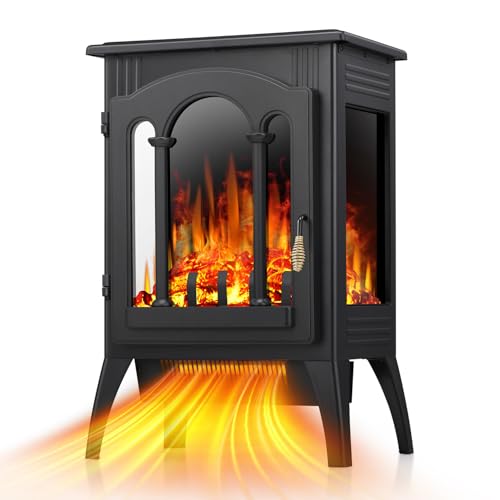
Electric Fireplace Heater with Thermostat: The Smart Way to Warm Your Room
Discover how a thermostat-controlled electric fireplace heater can provide efficient, targeted warmth and ambiance, giving you complete control over your comfort.
Why a Thermostat Matters: An electric fireplace heater with a thermostat transforms a simple flame effect into a smart heating appliance. It allows you to set a precise temperature, maintain it automatically, and potentially save on energy by avoiding overheating. This guide will help you understand every aspect of this feature.
What Is an Electric Fireplace Heater with Thermostat?
An electric fireplace heater with a thermostat is a versatile appliance that combines the visual appeal of a fireplace with a functional, thermostatically controlled space heater. Unlike traditional fireplaces that require venting and a fuel source, these units are plug-and-play, often requiring only a standard household outlet. The integrated thermostat is the key component that elevates it from a simple ambiance creator to a practical heating solution. It continuously monitors the room's ambient temperature and automatically turns the heating element on or off to maintain your desired setting. This prevents the room from becoming uncomfortably hot and avoids wasted energy. For many homeowners, this makes it a superior choice over a standard wall mount electric fireplace with heater, which might lack this level of automated control.
How Does a Thermostat-Controlled Electric Fireplace Work?
The operation is straightforward yet highly effective. The unit uses a built-in thermostat (either mechanical or digital) to sense the room's temperature. You set your desired comfort level on the control panel or remote. When the room temperature drops below this set point, the heater activates. Once the room reaches the set temperature, the heater cycles off automatically, while the flame effect can continue to operate independently. This on/off cycling is what makes them energy-efficient. Many models also feature a timer function, allowing you to program the heater to run for a specific duration. This is a significant advantage for those who want to understand if electric fireplaces really heat a room effectively, as the thermostat ensures the heat is delivered intelligently.
Key Features to Look For in a Thermostat-Controlled Electric Fireplace
When researching fireplace buying guides, it's important to know which features matter most. For a heater with a thermostat, here's what to prioritize:
- Digital vs. Mechanical Thermostat: Digital thermostats offer more precise temperature control (often within 1°F) and are easier to read. Mechanical thermostats are simpler but less accurate. A digital model is typically found on a premium unit, while a mid-range model may use a mechanical one.
- Heating Capacity (BTU): This determines the size of the room the heater can effectively warm. A common mistake is buying a unit that is too small. You can use a heating capacity BTU guide to estimate your needs. Generally, a 1,500-watt heater produces around 5,100 BTUs, which is suitable for a room up to 400 square feet.
- Remote Control and Smart Features: Most modern units come with a remote control. A high-end model might include Wi-Fi connectivity, allowing you to control the heater via a smartphone app or voice commands through a smart Wi-Fi fireplace controller.
- Flame Realism: Even though you're buying it for heat, the flame effect is still important. Look for models with adjustable flame brightness, color, and speed. For the most convincing look, consider an infrared quartz electric fireplace insert which often pairs a realistic flame with efficient heating.
- Safety Features: An automatic shut-off is crucial. This feature activates if the unit overheats or tips over, providing peace of mind. This is a standard feature on any reputable electric fireplace with heater and remote.
The Benefits of a Thermostat-Controlled Electric Fireplace Heater
Investing in a unit with a thermostat offers several distinct advantages:
- Energy Efficiency: By only heating when needed, you avoid wasting electricity. This makes it a more economical choice compared to a space heater that runs constantly. Understanding the running costs compared to gas can further inform your decision.
- Targeted Zone Heating: Instead of heating your entire home, you can focus warmth in the room you're using. This is a common strategy to lower overall energy bills. It's a key point in any discussion about fireplace energy saving tips.
- Convenience and Comfort: You set it and forget it. The unit maintains a consistent, comfortable temperature without you having to manually adjust it. This is especially useful for a large room where temperatures can fluctuate.
- Year-Round Use: You can enjoy the ambiance of the flame without the heat during warmer months, as the heater function can be turned off independently.
- Easy Installation: As mentioned in the electric fireplace installation guide, these units are incredibly easy to set up, often requiring no more than a few minutes and a standard outlet.
Sizing and Placement for Optimal Performance
To get the most out of your electric fireplace heater with a thermostat, proper sizing and placement are critical. First, calculate the square footage of the room you intend to heat. A 1,500-watt unit is the most common and is generally sufficient for a room up to 400 sq. ft. However, factors like insulation, ceiling height, and window quality can affect this. If you're looking for a unit to heat a larger area, a best electric fireplace heater for large room is a great resource. For smaller spaces, a small electric fireplace heater with thermostat is an ideal, space-saving solution.
Placement is also key. For the thermostat to work accurately, the unit should not be placed near a heat source (like a radiator or direct sunlight) or a cold draft (like a poorly sealed window). A central location in the room provides the most representative temperature reading. If you are placing it in a specific spot, like an entertainment center with electric heater, ensure there is adequate clearance around the unit for proper airflow, as recommended in your fireplace ventilation requirements.
Maintenance and Troubleshooting Tips
Electric fireplace heaters are relatively low-maintenance. Regular cleaning is the most important task. This includes dusting the exterior and, if the unit is a wall-mounted electric fireplace, ensuring the vents are free of dust and debris. You should always unplug the unit before cleaning. Following a electric fireplace maintenance routine will ensure it runs efficiently for years.
If you encounter issues, most problems are simple to diagnose. For example, if your electric fireplace is not heating, check if the thermostat is set correctly and if the heater is in "heat" mode, not just "flame" mode. If you have a remote control that isn't working, try replacing the batteries. More complex issues, like a unit that keeps tripping the breaker, may indicate a wiring problem and should be inspected by a professional. You can find a comprehensive list of solutions on a dedicated fireplace troubleshooting page.
Frequently Asked Questions (FAQ)
Q: Do electric fireplaces with thermostats use a lot of electricity?
A: No, they are generally very efficient for zone heating. Because the thermostat cycles the heater on and off, they only draw power when actively heating. For a detailed breakdown, see our guide on fireplace electricity usage.
Q: Can I leave my electric fireplace heater on overnight?
A: Most modern units are designed with safety in mind, but it is not recommended to leave any space heater unattended for long periods. It is best to turn it off before sleeping, as discussed in our article on leaving a fireplace on overnight.
Q: How close can furniture be to an electric fireplace heater?
A: You should always follow the manufacturer's clearance recommendations, which are typically a few feet from the front and sides. This is an important safety guideline, covered in more detail in our post on furniture distance from fireplace.
Q: Do electric fireplaces produce carbon monoxide?
A: No, electric fireplaces do not produce carbon monoxide. Unlike gas or wood-burning fireplaces, they produce no combustion byproducts. You can learn more about this in our article, "Do Electric Fireplaces Produce CO?"