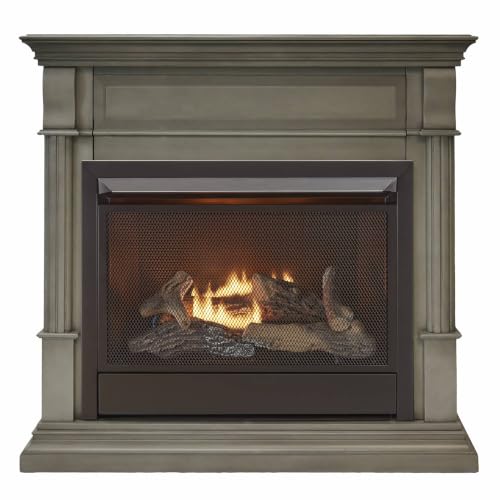
Direct Vent Free Standing Gas Fireplace: The Complete Guide
Discover why a direct vent free standing gas fireplace is one of the most versatile, efficient, and safe heating solutions for modern homes. Learn about installation, performance, and how to choose the right model.
What Is a Direct Vent Free Standing Gas Fireplace?
A direct vent free standing gas fireplace is a self-contained heating appliance that operates independently of a traditional chimney. Unlike built-in units, these fireplaces stand alone in your room, offering flexible placement options and a striking focal point. The "direct vent" designation means the unit draws combustion air from outside your home and exhausts all byproducts directly outdoors through a sealed pipe system.
This design offers a significant advantage: it eliminates the need for a conventional chimney while maintaining excellent indoor air quality. Because the system is sealed, there is no risk of indoor air pollution from combustion gases, making it a safer choice for many homes. If you're new to fireplace terminology, our beginner's guide to fireplaces provides a solid foundation before diving deeper.
How Does a Direct Vent System Work?
Understanding the mechanics helps you appreciate the value of this technology. A direct vent system uses a concentric pipe: a smaller inner pipe exhausts combustion gases, while the larger outer pipe brings in fresh air from outside. This dual-pipe design creates a balanced system where the air pressure inside the firebox remains stable.
The sealed combustion chamber is a key feature. It means the fire burns independently of your room's air, which is particularly beneficial in modern, well-insulated homes where air infiltration is minimal. For a broader understanding of venting options, explore our guide on whether you need a chimney or vent.
Key Benefit: Direct vent fireplaces are among the most flexible options for homes without existing chimneys. They can be installed on nearly any exterior wall, giving you freedom in room layout and design.
Why Choose a Free Standing Model?
Free standing gas fireplaces offer distinct advantages over built-in or wall-mounted units. Their portability and independence mean you can place them in virtually any room with proper venting access. This flexibility makes them ideal for open-concept living spaces, bedrooms, or even sunrooms.
From a design perspective, free standing units often serve as sculptural elements. Many models feature contemporary styling with large viewing windows, metallic finishes, or minimalist frames. If you're considering how this fits into your overall design, our article on built-in vs freestanding fireplaces offers a detailed comparison.
Advantages at a Glance:
- Flexible Placement: No need for a traditional chimney or complex framing.
- High Efficiency: Sealed combustion delivers more heat into the room.
- Improved Safety: No indoor air pollution from combustion byproducts.
- Aesthetic Appeal: A focal point that enhances any room's decor.
- Easy Installation: Simpler than masonry fireplaces or complex built-ins.
Efficiency and Heating Performance
Direct vent free standing gas fireplaces are renowned for their efficiency. Because the combustion chamber is sealed and the unit is designed to transfer heat effectively, many models achieve efficiency ratings that rival or exceed traditional wood-burning fireplaces. The absence of a traditional chimney also means less heat loss—a common issue with open masonry fireplaces.
When selecting a model, consider the heating capacity. Manufacturers typically provide BTU ratings and square footage recommendations. To determine the right size for your space, our guide on heating capacity and BTU is an invaluable resource. For those focused on maximizing efficiency, explore our article on the most energy-efficient fireplace types.
Pro Tip: A free standing gas fireplace with a blower can distribute heat more evenly across a room. Look for models that include this feature for enhanced performance.
Installation: What You Need to Know
Installing a direct vent free standing gas fireplace is generally less invasive than installing a masonry fireplace. The primary requirement is access to an exterior wall for the vent termination. The vent pipe can run horizontally through the wall or vertically through the roof, depending on your home's layout and local building codes.
Because the unit requires a gas line connection and precise venting, professional installation is highly recommended. Our comprehensive fireplace installation guide covers the steps involved. For gas-specific requirements, be sure to review our gas fireplace installation requirements. If you're weighing the pros and cons of doing it yourself, our article on DIY vs professional installation can help you make an informed decision.
Key Installation Requirements:
- Exterior Wall Access: For the direct vent termination.
- Gas Line: A dedicated natural gas or propane connection.
- Clearances: Adherence to manufacturer specifications for combustible materials.
- Local Codes: Permits and inspections may be required.
Safety: A Top Priority
Safety is a cornerstone of direct vent technology. The sealed combustion chamber prevents carbon monoxide and other combustion gases from entering your living space. This is a significant advantage over ventless (unvented) gas fireplaces, which release combustion byproducts into the room.
Modern direct vent free standing gas fireplaces also come equipped with safety features such as oxygen depletion sensors, flame failure devices, and cool-to-the-touch glass options. For peace of mind, our article on carbon monoxide signs from fireplaces is essential reading. If you're comparing vented and ventless options, our guide on vented vs ventless gas fireplaces clarifies the differences.
Direct Vent vs. Other Gas Fireplace Types
To help you make an informed decision, here's a comparison of direct vent free standing gas fireplaces with other common types:
| Feature | Direct Vent Free Standing | Ventless Gas Fireplace | Natural Vent Gas Fireplace |
|---|---|---|---|
| Air Quality | Excellent (sealed combustion) | Good (but releases some byproducts) | Good (requires chimney draft) |
| Installation Flexibility | High (exterior wall access) | Very High (no venting) | Low (requires chimney) |
| Efficiency | High | Very High | Moderate |
| Placement Options | Flexible (free standing) | Very Flexible | Limited (near chimney) |
| Indoor Air Impact | None | Minimal | Minimal |
Maintenance for Longevity
Like any heating appliance, a direct vent free standing gas fireplace benefits from regular maintenance. Annual inspections by a qualified technician ensure the system operates safely and efficiently. Key tasks include cleaning the glass, checking the vent pipe for blockages, and inspecting the burner and ignition system.
For a detailed maintenance routine, consult our gas fireplace maintenance guide. Our maintenance schedule can help you stay on track. If you notice any issues, such as a weak flame or unusual noises, our troubleshooting guide may offer solutions. For specific problems like a gas fireplace that won't light, we have dedicated resources.
Ready to Find Your Perfect Direct Vent Free Standing Gas Fireplace?
Explore our curated selection of top-rated models below. With the right information and a trusted retailer, you're just steps away from transforming your space.
View Recommended ModelsFinal Thoughts
A direct vent free standing gas fireplace combines flexibility, efficiency, and safety in a single, elegant package. Whether you're renovating a room or building a new home, this type of fireplace offers a compelling solution for reliable warmth and ambiance. By understanding how these units work, what to consider during installation, and how to maintain them, you're well-equipped to make a confident purchase.
For further reading, our fireplace buying guide provides a comprehensive overview of the selection process. If you're still exploring different types, our article on types of fireplaces can help you compare all available options.