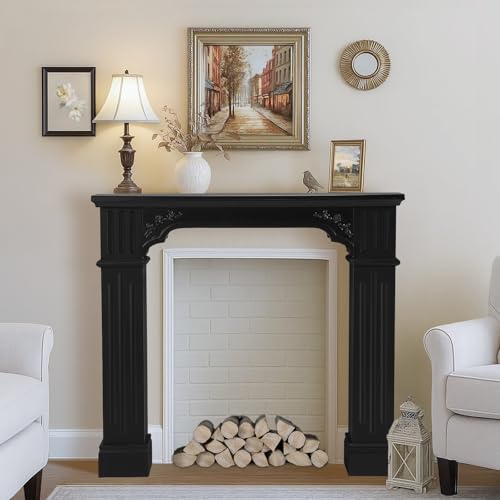
Custom Fireplace Mantels and Surrounds
Transform your fireplace into a stunning focal point with bespoke mantels and surrounds designed to match your unique style and space.
Explore The GuideWhy Go Custom? A custom fireplace mantel and surround is more than just a functional addition; it's an opportunity to express your personal style, enhance your home's architecture, and create a cohesive design story. This guide will walk you through everything you need to know to make an informed decision.
What Are Custom Mantels and Surrounds?
While a fireplace provides warmth, the mantel and surround define its character. A surround is the decorative framework—often made of stone, tile, or marble—that sits flush against the wall, framing the firebox. The mantel is the shelf and decorative structure that sits above and around the surround, providing a focal point for decor and a place for cherished items.
Going custom means moving beyond standard, off-the-shelf dimensions and designs. It allows you to perfectly match the proportions of your room, integrate with existing architectural details, and choose from a vast array of materials and finishes. Whether you're remodeling an existing fireplace or adding a new one, a custom approach ensures a flawless fit and a look that is uniquely yours. For those considering a complete transformation, understanding the basics of a fireplace buying guide can provide a solid foundation before diving into custom design.
The Benefits of Custom Design
Opting for a custom solution offers several distinct advantages over prefabricated options. The most significant benefit is the perfect fit. Standard sizes rarely accommodate the unique dimensions of every home. A custom surround can be built to precisely cover any wall space, creating a seamless, built-in look that elevates the entire room.
Furthermore, custom design offers unlimited creative freedom. You are not limited to the styles or materials a manufacturer has chosen to produce. You can select the exact stone, the specific wood species, and the perfect stain or paint color to harmonize with your flooring, cabinetry, and overall interior design. This level of personalization is invaluable for creating a cohesive and sophisticated space. For those who love to take on projects themselves, a DIY fireplace makeover with custom elements can be an incredibly rewarding experience.
Finally, a custom mantel and surround can significantly increase your home's value. It transforms a standard fireplace into a bespoke architectural feature, adding a sense of luxury and craftsmanship that appeals to potential buyers. It's an investment in your home's aesthetic and financial future.
Popular Materials for Custom Mantels and Surrounds
The material you choose will have the most profound impact on the final look, feel, and maintenance of your fireplace. Each material has its own unique characteristics, advantages, and considerations.
Wood Mantels
Wood is a classic choice that adds warmth, character, and a sense of tradition. It can be painted to match your trim or stained to highlight the natural grain. Popular species include oak, maple, cherry, and reclaimed barn wood, which adds a rustic, one-of-a-kind texture. A wooden mantel pairs beautifully with a variety of surrounds, from DIY fireplace tile to natural stone. The versatility of wood makes it suitable for styles ranging from farmhouse to contemporary.
Stone and Marble Surrounds
Stone, particularly marble, granite, and limestone, offers an unmatched level of elegance and permanence. A contemporary marble fireplace surround can create a luxurious, sculptural focal point. Stone is durable, heat-resistant, and each piece is unique. It can be polished to a high gloss or honed for a matte finish. While it is a premium investment, its timeless beauty and longevity make it a worthwhile choice for high-end designs.
Tile Surrounds
Tile offers incredible versatility in color, pattern, and texture. From classic subway tiles to intricate mosaics, ceramic, porcelain, and cement tiles can create a surround that is perfectly tailored to your aesthetic. A tiled surround is often more budget-friendly than stone and allows for easy DIY installation. You can explore various DIY fireplace tile ideas to create a custom look without the need for specialized stone fabrication.
Concrete Surrounds
For a truly modern and industrial look, concrete is an excellent choice. It can be cast into custom shapes, molded with textures, or polished to a smooth finish. Concrete is extremely durable and heat-resistant, making it a practical and stylish option for contemporary homes. Its raw, minimalist aesthetic can be a striking contrast in a room with more traditional elements.
Design Styles and Ideas
Your custom mantel and surround should reflect the overall style of your home. Here are some popular design directions to consider:
- Modern & Minimalist: Clean lines, simple forms, and a focus on materiality. A floating stone or concrete surround with a sleek, linear mantel is a hallmark of this style. Consider a DIY fireplace frame to achieve a seamless, built-in look.
- Traditional & Classic: Ornate details, such as carved corbels and decorative molding. Rich woods like cherry or mahogany and classic stone like marble are common. This style creates a sense of history and formality.
- Farmhouse & Rustic: Reclaimed wood beams, distressed finishes, and natural stone. A chunky wood mantel over a DIY white fireplace surround creates a cozy, inviting atmosphere. Shiplap is also a popular choice for this style.
- Industrial: A mix of raw materials like concrete, metal, and reclaimed wood. An exposed brick surround with a heavy steel beam mantel is a classic industrial look.
- Coastal: Light, airy colors and natural textures. A whitewashed wood mantel or a surround made of stacked stone in shades of gray and beige can evoke a relaxed, beachside feel.
For those looking to renovate an existing fireplace, exploring DIY fireplace makeover ideas can provide inspiration for transforming your current mantel and surround without a complete rebuild.
How to Measure and Plan
Before you begin your custom project, careful measurement and planning are crucial. Start by measuring the width and height of your firebox opening. Then, determine the dimensions of the surround, ensuring it meets local building codes for clearance from the firebox. The mantel should be proportional to the surround and the room; a common rule is that the mantel shelf should be at least 12 inches above the top of the firebox.
Consider the "visual weight" of the design. A large, heavy stone mantel can overwhelm a small room, while a delicate wood mantel might get lost in a large, grand space. It's also important to think about the practical use of the mantel. If you plan to display heavy items, ensure the corbels or supports are strong enough. For those installing a new electric insert, understanding electric fireplace installation is key to ensuring your new surround integrates properly.
Installation Considerations
The installation process will vary significantly depending on the material you choose. A wood mantel can often be installed by a skilled DIYer using a stud finder and heavy-duty screws. Stone and concrete surrounds, however, are heavy and require professional installation to ensure safety and a flawless finish. They often need to be attached to a sturdy substrate or the wall itself with specialized adhesives and mechanical fasteners.
When planning your project, it's wise to consult with a professional, especially if you are dealing with a gas or wood-burning fireplace. Clearance requirements are critical for safety. If you are unsure about the process, it's best to hire a professional for installation. They can ensure the job is done correctly and safely, giving you peace of mind.
Maintenance and Care
To keep your custom mantel and surround looking its best, regular maintenance is key. Wood mantels should be dusted regularly and can be polished with a wood-safe cleaner. Stone and tile should be cleaned with a pH-neutral cleaner to avoid damaging the finish. For a deeper clean on stone, you may need to reseal it periodically to protect against stains. You can find more detailed cleaning instructions in our guide on how to clean fireplace brick and stone.
Avoid using abrasive cleaners or tools that could scratch the surface. For a comprehensive overview of fireplace upkeep, refer to our fireplace maintenance section. Proper care will ensure your custom investment remains beautiful for years to come.
Common Mistakes to Avoid
When designing a custom mantel and surround, avoiding common pitfalls is as important as making the right choices. One of the most frequent mistakes is ignoring the scale and proportion of the room. A mantel that is too small or too large can throw off the visual balance of the entire space.
Another mistake is not considering the heat output and clearance requirements of your specific fireplace. Placing a mantel too close to the firebox can be a safety hazard and may damage the material. Always consult your fireplace manual and local building codes. Finally, don't overlook the overall design harmony. Your new mantel and surround should feel like a natural extension of your home's existing style, not a disjointed addition. For more guidance on choosing a fireplace, see our fireplace buying guide.
Frequently Asked Questions
What is the difference between a mantel and a surround?
The surround is the decorative frame that sits directly around the firebox, often made of tile, stone, or marble. The mantel is the shelf and structure that sits above and around the surround.
Can I install a custom mantel myself?
Installing a wood mantel is a common DIY project. However, installing heavy stone or concrete surrounds is complex and best left to professionals to ensure safety and proper adhesion.
How high should a mantel be above the firebox?
Building codes typically require a minimum clearance, often around 12 inches, but this can vary by fireplace type and local regulations. Always check your specific fireplace's manual and local building codes.
What is the best material for a fireplace surround?
The "best" material depends on your style, budget, and maintenance preferences. Stone and marble offer luxury and durability, tile provides versatility, wood adds warmth, and concrete offers a modern, industrial look.
Can I put a TV above a custom mantel?
It is possible, but you must consider heat. If you have a wood or gas fireplace, a mantel can act as a heat shield, but you still need to ensure the TV is rated for the environment. For electric fireplaces, this is generally safer. Always check TV above fireplace safety guidelines.