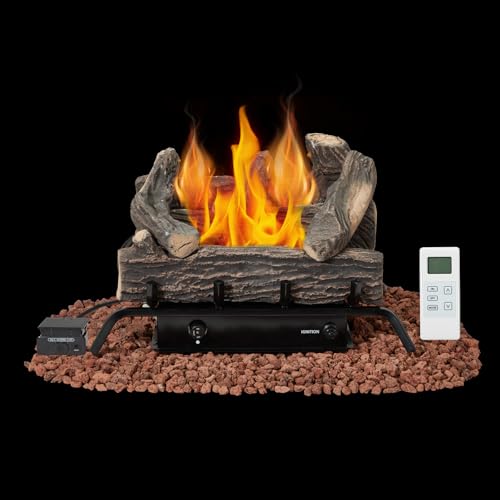
Combination Gas and Wood Burning Fireplace Insert
The ultimate hybrid solution. Enjoy the convenience of gas and the ambiance of wood in a single, high-efficiency insert. Discover how this versatile system can transform your existing fireplace.
SEE TOP RECOMMENDATIONSWhy Consider a Combination Insert? A combination gas and wood burning fireplace insert gives you the flexibility to choose your fuel source. Use clean-burning gas for daily convenience or enjoy the authentic crackle and warmth of wood on special occasions — all from the same unit.
What Is a Combination Gas and Wood Burning Fireplace Insert?
A combination gas and wood burning fireplace insert is a hybrid unit designed to fit into your existing masonry or prefabricated fireplace. It features dual-fuel capability, allowing you to burn either natural gas or seasoned wood. This unique system typically includes a gas burner assembly, a wood grate, and a refractory-lined firebox that can handle both fuel types safely. The insert is designed to maximize heat output and efficiency, often with features like a built-in blower and thermostatic control.
This is the perfect solution for homeowners who want the best of both worlds. On chilly weeknights, you can simply flip a switch and enjoy the instant heat of a gas fireplace. On weekends or holidays, you can build a traditional wood fire for that nostalgic, rustic feel. The combination insert replaces your old, inefficient open hearth with a modern, sealed unit that significantly improves heating efficiency and reduces heat loss through the chimney.
Key Features and Benefits
🔥 Dual-Fuel Flexibility
Switch between wood and gas easily. Use gas for quick, convenient heat and wood for the authentic experience.
📈 Superior Efficiency
Modern inserts achieve 70-85% efficiency, dramatically better than old open fireplaces (10-20%), reducing heating expenses.
🌡️ Powerful Heating
Models typically produce 35,000 to 75,000 BTUs, enough to heat large rooms or even small homes. Most include a quiet, built-in blower.
🛠️ Easy Conversion
Designed to be installed into an existing fireplace. Some kits allow you to add the gas burner later, making it a future-proof investment.
♻️ Eco-Friendly Options
Gas combustion is clean, and wood-burning models meet EPA 2020 certification for low emissions.
✨ Aesthetic Versatility
Available with various front styles, from traditional cast iron to contemporary glass, fitting any décor.
How Does a Combination Insert Work?
The combination insert is a sophisticated unit that integrates two distinct fuel systems into one firebox. The gas system includes a burner, gas valve, and ignition system (either standing pilot or electronic). When you want to use gas, you open the gas line, ignite the burner, and the flames heat up the firebox and the logs. For wood, you simply open the damper, place logs on the grate, and light them as you would a traditional fireplace.
The insert is sealed with a glass door that provides a view of the fire while preventing room air from escaping up the chimney. A heat exchanger warms the air surrounding the firebox, and a blower circulates that warm air back into the room. This design ensures that most of the heat stays in your home. Many models feature a thermostat or remote control for the gas component, allowing you to set the desired temperature for automatic operation. With wood, you have manual control over the air supply to manage the burn rate and heat output.
What to Consider Before Buying
Investing in a combination insert is a significant decision. Before you purchase, consider the following factors to ensure you choose the right model for your home. For a broader perspective on different fireplace types, you might also explore our fireplace types guide and buying guide.
📊 Investment Tier
Overall Tier: Combination inserts are premium products, typically sitting in the Mid-Range to Premium investment tier for the unit itself. Installation, including venting requirements and gas line installation, occupies the Entry-Level to Mid-Range tier depending on complexity. While the upfront investment tier is higher, the long-term savings and versatility make it a worthwhile investment.
Compare this to gas fireplace insert installation tiers or a dedicated wood burning stove fireplace insert with blower.
Key Factors to Evaluate
- Fireplace Dimensions: Measure your existing fireplace opening (width, height, depth) to ensure the insert fits. Inserts come in various sizes.
- Venting Requirements: Most combination inserts use a stainless steel liner installed inside your chimney. Ensure your chimney is in good condition. Fireplace ventilation requirements are crucial for safety.
- Gas Line Access: A natural gas line or propane tank is required for the gas burner. Check if your home has access or if a new line needs to be run.
- Heat Output: Match the insert's BTU rating to the size of your room. Use our guide on how to size a fireplace to calculate your needs.
- EPA Certification: For wood burning, ensure the insert is EPA-certified for low emissions and high efficiency.
- Installation Type: Consider if you want a direct-vent or vented insert. A direct vent gas fireplace insert with blower is often used for gas-only modes.
Gas vs. Wood: A Side-by-Side Comparison
To help you understand the strengths of each fuel mode, here's a detailed comparison of the gas and wood burning features in a combination insert.
| Feature | Gas Mode | Wood Mode |
|---|---|---|
| Convenience | Instant on/off, thermostat/remote control | Manual lighting, needs wood, requires tending |
| Heat Output | Consistent, steady heat (30,000–60,000 BTU) | High, intense heat (40,000–75,000 BTU) |
| Efficiency | High (80%+) | High (70–80% for EPA models) |
| Fuel Tier | Varies by region; natural gas often sits in a lower tier | Depends on wood availability; can be free or budget-friendly |
| Environmental Impact | Low emissions, clean-burning | Low emissions for EPA-certified; renewable resource |
| Ambiance | Realistic flames, but lacks crackle | Classic, authentic fire experience with sound and smell |
| Maintenance | Annual inspection; minimal cleaning | Regular ash removal, chimney cleaning, creosote management |
Pros and Cons of a Combination Insert
✅ Advantages
- Versatile fuel choice – gas for convenience, wood for ambiance
- Significantly higher efficiency than an open fireplace
- Can heat a room or an entire small home efficiently
- Qualifies for energy tax credits (gas or EPA wood models)
- Increases home value and appeal
- Lower emissions than traditional fireplaces
❌ Disadvantages
- Higher initial investment tier
- Installation requires a professional and may involve venting upgrades
- Size and weight; may require structural support
- Dual-fuel complexity means more potential parts to maintain
- Not all models are truly 'switchable'; some require a conversion kit
Installation Guide
Proper installation is critical for safety and performance. A combination insert is not a DIY project for most homeowners. Professional installation is strongly recommended. The typical process involves:
- Pre-Installation Inspection: A certified technician inspects your chimney and fireplace to ensure they are structurally sound and clean.
- Liner Installation: A stainless steel flex liner is run from the insert down through the chimney to the top.
- Insert Installation: The unit is placed into the fireplace, and the connection to the liner and gas line is made.
- Gas Connection: For gas, a licensed plumber connects the gas line to the insert's valve.
- Electrical Connection: If the unit has a blower or electronic ignition, electrical wiring is completed.
- Test and Adjustment: The unit is tested for proper gas pressure, flame appearance, and operation.
For more detailed insights, see our guide on gas fireplace installation requirements and DIY vs professional installation.
Maintenance Tips
Keeping your combination insert in top condition ensures longevity and safe operation. Here are key maintenance tasks you should perform.
- Gas Mode: Annually check the burner and gas connections. Clean the glass and inspect the pilot for blockages. Gas fireplace maintenance is straightforward with regular care.
- Wood Mode: Regularly remove ash and have the chimney swept annually to prevent creosote buildup. Inspect the door seal for a tight fit. Wood fireplace maintenance requires more attention.
- General: Clean the blower fan occasionally to remove dust and improve airflow. Check the thermostat or remote batteries. Schedule a professional inspection every year for a thorough check.
Frequently Asked Questions
Can I convert my wood-burning fireplace to a gas and wood combination insert?
Yes, if your fireplace is structurally sound and meets the size requirements. A certified installer can assess your existing fireplace and chimney to determine if a combination insert is compatible. You may need a chimney liner and gas line installation.
Are combination inserts safe?
Yes, when installed and used correctly. They are designed with safety features like sealed doors, heat shields, and automatic shut-off for gas. Always follow the manufacturer's instructions and have the unit professionally inspected annually.
What investment tier should I expect for a combination insert?
The unit itself typically sits in the Mid-Range to Premium tier. Installation, including chimney liner and gas line, occupies the Entry-Level to Mid-Range tier depending on complexity. The overall project tier is typically Mid-Range to Premium.
Which is better: gas or wood mode?
It depends on your priorities. Gas offers convenience, lower emissions, and consistent heat. Wood offers a traditional experience and lower fuel tier (if you have access to wood). The insert gives you the freedom to choose the best option for each situation.
Ready to Upgrade Your Fireplace?
A combination gas and wood burning insert is a premium choice that offers unmatched versatility, efficiency, and aesthetic appeal. Browse the top recommended models below and take the next step toward a superior heating experience.
VIEW RECOMMENDED PRODUCTS