Building an Outdoor Fireplace with Bricks
A complete, step-by-step guide to planning, constructing, and enjoying a durable brick fireplace in your backyard.
Why Build with Brick? A brick outdoor fireplace is a timeless investment that adds value, extends your outdoor living season, and becomes a stunning focal point for gatherings. This guide will walk you through the entire process, from the first sketch to the first fire.
Why Choose a Brick Outdoor Fireplace?
Building an outdoor fireplace with bricks is one of the most rewarding DIY projects a homeowner can undertake. Unlike prefabricated metal units, a brick fireplace offers unmatched durability, classic aesthetics, and the ability to be customized to your exact space and style. It can serve as the anchor for an outdoor kitchen, a cozy patio, or a screened-in porch.
While a wood-burning fireplace is the traditional choice, some homeowners prefer the convenience of gas. If you are considering different fuel types, you might explore options like a ventless gas fireplace for a screened porch or even a weathering steel outdoor fireplace for a modern look. However, brick remains the most popular material for a classic, permanent structure.
Phase 1: Planning and Preparation
Before you mix any mortar, careful planning is essential. This phase will save you time, money, and frustration later on.
1.1 Check Local Codes and Permits
This is the most critical first step. Building codes for outdoor fireplaces vary widely by city and county. They often dictate setback distances from property lines, chimney height requirements, and spark arrestor specifications. Contact your local building department to understand fireplace permit requirements. Neglecting this can lead to fines or the forced removal of your new structure.
1.2 Choose the Right Location
Consider prevailing winds (to avoid smoke blowing into your home or seating area), proximity to trees and structures, and access to your seating area. The fireplace should be a focal point, not an afterthought.
1.3 Select a Design and Size
Your design should match your home's architecture and your outdoor space. A massive, towering fireplace might overwhelm a small patio, while a modest one could get lost in a large yard. For inspiration on proportions, you can look at matching fireplace proportions to room shape, which applies to outdoor rooms as well. If you're unsure about the size, a good rule of thumb is to consult guides on how to size a fireplace for heating capacity and visual balance.
Key Design Decisions:
- Style: Traditional, modern, rustic, or a hybrid.
- Size: The firebox opening, overall footprint, and chimney height.
- Features: Do you want a built-in pizza oven, a wood storage box, or a grill?
- Materials: Type of brick, stone accents, and mortar color.
1.4 Gather Your Materials and Tools
You will need a comprehensive list of materials. This includes:
- Firebricks: For the firebox interior, these are non-negotiable.
- Concrete Mix: For the foundation.
- Mortar Mix: For laying the brick and stone.
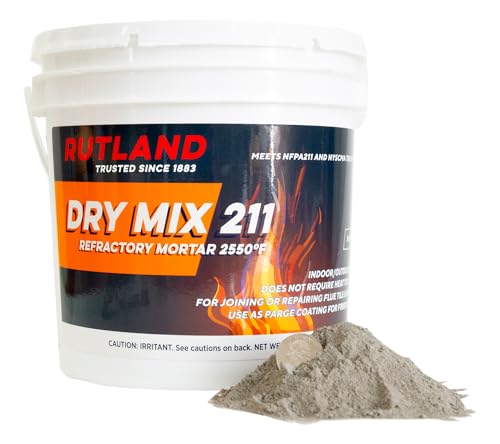
- Refractory Mortar: For bonding firebricks.
- Common Bricks: For the main structure. Choose a grade suitable for outdoor use (e.g., SW grade).
- Rebar: For reinforcing the concrete foundation.
- Chimney Flue Liner: A clay or stainless steel liner is essential for safety.
- Tools: Shovel, wheelbarrow, masonry trowel, level, masonry saw, jointer, mixing tubs, and safety gear (gloves, glasses, dust mask).
For more detail on specific components, you might find guides on fireplace ventilation requirements helpful, as they explain the science behind a properly drawing chimney.
Phase 2: The Construction Process
Building a brick fireplace is a multi-step process. Patience and precision are key to a professional-looking result.
2.1 Pouring the Foundation
An outdoor fireplace is incredibly heavy, so it requires a solid, reinforced concrete footing. The foundation must extend below the frost line to prevent heaving and cracking. Dig a hole that is at least 6-12 inches deep and wider than the fireplace's footprint. Add a layer of gravel, then build a formwork for the concrete. Place rebar grid inside the form and pour your concrete. Allow it to cure completely for several days before building on it.
2.2 Building the Firebox
The firebox is the heart of your fireplace. It must be constructed with firebricks, which are designed to withstand extreme temperatures. Use refractory mortar for these joints. The firebox should have a sloped back wall to reflect heat outward and a smooth interior to promote good airflow. The dimensions of the firebox are critical for proper combustion; a common rule is that the firebox opening height should be about 2/3 of its width.
2.3 Constructing the Chimney and Smoke Chamber
Above the firebox, you'll build the smoke chamber. This is the area that funnels smoke from the wide firebox into the narrower flue. A smooth, parged (coated) smoke chamber is essential for good draft. The chimney is then built up using common brick, with a flue liner installed inside. The flue liner should extend at least 3 feet above the highest point where it passes through the roof line and at least 2 feet higher than any portion of the building within 10 feet. This is crucial for safety and draft.
Safety First: The Chimney
A properly sized and installed chimney is the most important safety feature. It must be lined and extend to the correct height to ensure smoke and dangerous gases like carbon monoxide are drawn safely away from your home and seating area. For more information on why this matters, see our guide on signs of carbon monoxide from a fireplace.
2.4 Adding the Hearth and Mantel
The hearth is the floor of the fireplace that extends into the room (or patio). It should be made of a non-combustible material like brick or stone and extend at least 16-18 inches in front of the firebox opening. A mantel is not just decorative; it can also help catch embers and direct smoke. You can build a custom one or look for inspiration from reclaimed wood fireplace mantels to give your outdoor space a unique character.
2.5 Finishing Touches
Once the structure is built, you can add finishing touches. This might include a brick or stone veneer on the sides, a decorative arch, or a custom cap for the chimney. If you're looking for a different aesthetic, you might explore options like a stone fireplace makeover for inspiration, even though your primary material is brick.
Cost, Value, and Long-Term Considerations
The cost of building an outdoor fireplace with bricks can be categorized into material tiers:
- Entry-Level: A simple, smaller fireplace using basic common brick and a standard firebrick kit. This is a budget-friendly DIY project.
- Mid-Range: A larger structure with a more complex design, higher-quality brick, and a stainless steel chimney liner.
- Premium/Luxury: A large, custom-designed fireplace with a pizza oven, wood storage, high-end stone accents, and a full masonry chimney.
For a detailed breakdown of potential costs, our guide on fireplace cost breakdown can provide valuable insights. While the initial investment can be significant, a well-built outdoor fireplace is a permanent home improvement that can add value to your home and provide decades of enjoyment.
One of the best ways to save on long-term ownership is to use your fireplace efficiently. Simple tips, like using a fireplace inflatable draft stopper when not in use, can make a difference. For more ideas, see our article on fireplace energy saving tips.
Ready to start your project? Explore our recommended fireplaces and accessories to find the perfect components for your build.
View Recommended ProductsFrequently Asked Questions
How long does it take to build an outdoor brick fireplace?
A simple DIY project can take a full weekend or two, while a more complex design with a chimney and detailed finish may take several weekends for an experienced DIYer. Professional installation is usually completed in a few days.
What type of brick is best for an outdoor fireplace?
For the firebox, firebricks are essential as they withstand extreme heat. For the outer structure, you should use a durable brick rated for outdoor use, such as SW (Severe Weather) grade brick, which is resistant to freezing and thawing cycles.
Do I need a permit to build an outdoor fireplace?
Yes, in most cases. Building codes vary significantly by location, so you must check with your local municipality or homeowners association before starting. A permit ensures your structure is safe and compliant.
How much does it cost to build an outdoor fireplace with bricks?
The cost varies widely based on design, size, and whether you hire a professional. A DIY project can be an affordable option, with costs primarily for materials like brick, mortar, concrete, and a firebrick kit. Professional installation is a significant investment.