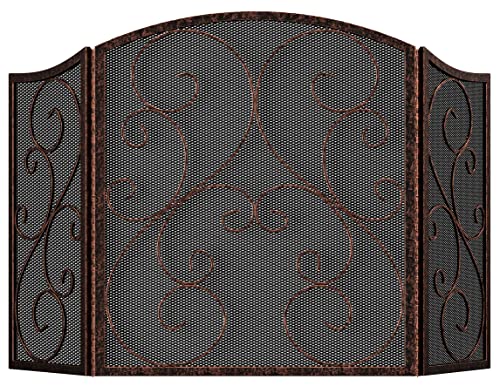
Antique Wrought Iron Fireplace Screen
Discover the timeless craftsmanship, enduring beauty, and practical function of vintage wrought iron fireplace screens — and learn how to select the perfect piece for your home.
START YOUR RESEARCHWhy an Antique Wrought Iron Fireplace Screen? An antique wrought iron fireplace screen is more than just a safety barrier — it is a piece of functional art that brings history, character, and old-world craftsmanship into your living space. Whether you are restoring a period home, decorating a modern interior with vintage accents, or simply looking for a durable and beautiful fireplace accessory, a wrought iron screen offers a unique combination of durability, aesthetic appeal, and practical protection against sparks and embers. This guide will walk you through everything you need to know about selecting, evaluating, and caring for these remarkable pieces.
What Makes a Wrought Iron Fireplace Screen "Antique"?
The term "antique" generally refers to items that are at least 100 years old, though in the world of fireplace accessories, pieces from the late 19th to early 20th century are commonly classified as antique. Wrought iron, as a material, was hand-forged by skilled blacksmiths who shaped the metal using heat and hammer — a process that gave each piece subtle irregularities and a distinctive, tactile quality that modern mass-produced screens simply cannot replicate.
An authentic antique wrought iron screen often features:
- Hand-forged joinery: Look for visible hammer marks, uneven surfaces, and hand-welded joints rather than uniform machine welds.
- Decorative motifs: Common patterns include scrollwork, floral designs, geometric latticework, and crests. These were often custom-made to match the architecture of a particular home.
- Patina: The natural aging of iron produces a rich, dark patina that ranges from deep charcoal to warm bronze. This patina is a sign of authenticity and should be preserved rather than stripped away.
- Heavy gauge construction: Antique screens are typically made from thicker iron stock than modern reproductions, giving them a reassuring weight and stability.
Understanding these characteristics will help you distinguish a genuine antique from a vintage-inspired reproduction. For a broader look at how fireplace screens fit into the world of fireplace accessories, explore our fireplace screens guide.
Key Factors When Choosing an Antique Wrought Iron Screen
Before you commit to a purchase, consider these critical factors to ensure your screen is both beautiful and functional in your space.
Size and Coverage
The screen must be large enough to block sparks and embers from escaping into the room, but not so large that it overwhelms your fireplace opening. Measure the width and height of your fireplace opening carefully. A screen should typically extend a few inches beyond the opening on all sides. For smaller fireplaces, you may need to look for small fireplace screens under 30 inches high or small fireplace screens under 35 inches wide to find a proper fit.
Style and Period Consistency
An antique screen should complement the architectural style of your home. A Victorian-era screen with ornate scrollwork suits a period property, while a simpler Arts and Crafts design might be better for a bungalow. If you are unsure about your home's style, our fireplace buying guide offers valuable context on matching accessories to your space.
Condition and Structural Integrity
Antique ironwork can suffer from rust, cracks, or weakened joints. Inspect the screen for:
- Stable, wobble-free construction
- Minimal active rust (surface rust is acceptable and can be treated)
- Intact mesh or backing (if present)
- Functional hinges or folding mechanisms
For a deeper dive into maintaining ironwork and other fireplace components, see our fireplace maintenance hub.
Quality Tiers at a Glance
When evaluating antique wrought iron screens, it helps to understand the general market tiers. This classification is based on craftsmanship, rarity, and condition — not on any specific monetary figure.
| Tier | Characteristics | Best For |
|---|---|---|
| Entry-Level | Simple designs, possibly restored or with minor imperfections; may be later reproductions of antique styles. | First-time buyers or those seeking a vintage look without the premium of true antiques. |
| Mid-Range | Genuine period pieces with moderate decorative detail; solid construction with some patina. | Homeowners wanting authentic character with reliable functionality. |
| Premium | Highly ornate, hand-forged screens from notable makers; excellent condition with rich, original patina. | Collectors and period property owners seeking a statement piece. |
| Luxury | Museum-quality rarities with exceptional provenance, intricate detailing, and near-perfect preservation. | Discerning collectors and high-end interior design projects. |
For most buyers, a mid-range or premium antique screen offers the best balance of authenticity, beauty, and usability. Entry-level pieces are a great starting point, while luxury-tier screens are investment-grade acquisitions.
Restoration and Care for Antique Wrought Iron Screens
One of the joys of owning an antique screen is the opportunity to preserve and gently restore it. However, restoration should always aim to conserve the piece's historic character rather than make it look brand new.
Cleaning
Start with a soft brush or vacuum to remove loose dust and soot. For deeper cleaning, use a mild soap solution and a soft cloth. Avoid abrasive cleaners or steel wool, which can scratch the patina. Dry thoroughly to prevent rust. You can find more detailed cleaning techniques in our guide to cleaning fireplace brick and stone, which shares principles applicable to ironwork.
Rust Treatment
Surface rust can be treated with a fine wire brush or a rust converter, followed by a protective wax or oil. For severe rust, consult a professional metal conservator. Never use harsh chemicals that could damage the surrounding patina.
Protective Coating
A thin coat of microcrystalline wax or a specialized metal preservative can help protect the iron from moisture and handling. Reapply annually or as needed.
Handling and Storage
Always lift screens by the frame rather than the decorative elements. When not in use during warm months, store in a dry, climate-controlled space. Our summer fireplace care guide offers tips for off-season storage of fireplace accessories.
Styling Your Antique Wrought Iron Screen
An antique screen is a focal point in its own right, but it also interacts with the rest of your fireplace decor. Here are some ideas for integrating it beautifully:
- Contrast with modern elements: Pair a dark, ornate iron screen with a sleek, minimalist fireplace surround for a striking juxtaposition.
- Complement with natural materials: Use a screen with scrollwork alongside a reclaimed wood fireplace mantel shelf to enhance the rustic, historic feel.
- Seasonal decor: Dress your mantel with fall decorations for the fireplace mantel or DIY fireplace Christmas decor that echoes the screen's vintage charm.
- Create a conversation piece: Place the screen slightly forward of the fireplace opening to make it a standalone sculptural element when the fire is not lit.
For more inspiration on arranging decor around your fireplace, see our decorative items for fireplace mantel guide.
Safety Considerations
While an antique screen adds beauty, its primary function is safety. Ensure that:
- The screen is stable and cannot be easily knocked over.
- It is positioned close enough to the fireplace opening to catch sparks.
- There are no sharp edges or protruding elements that could snag clothing or cause injury.
- If the screen has a mesh backing, inspect it for holes or degradation.
Remember that antique screens were not designed with modern safety standards in mind, so always use them in conjunction with other fire safety practices, such as keeping flammable materials at a safe distance. Our article on how close furniture can be to a fireplace provides essential guidelines.
Ready to find your perfect antique wrought iron fireplace screen? Explore our curated selection of fireplace screens and accessories to complement your home's unique character.
VIEW RECOMMENDED SCREENSFrequently Asked Questions
How can I tell if a wrought iron screen is truly antique?
Look for hand-forged details such as hammer marks, irregular joinery, and a natural patina. Reproductions often have uniform, machine-made welds and a consistent, artificial finish. Consulting an antique dealer or appraiser can also help confirm authenticity.
Can I use an antique screen on a modern fireplace?
Absolutely. The contrast between a vintage screen and a contemporary fireplace can be very stylish. Just ensure the screen is large enough to cover the opening and that it remains stable on your hearth.
Is it safe to use a screen with surface rust?
Surface rust is generally not a safety hazard, but it should be treated to prevent further deterioration. If the rust has compromised the structural integrity of the iron, the screen may no longer be safe to use.
How do I clean an antique wrought iron screen without damaging it?
Use a soft brush or vacuum for loose debris, then wipe with a damp cloth and mild soap. Avoid abrasive materials. Dry immediately and apply a protective wax if desired.
Where can I find antique wrought iron fireplace screens?
Antique shops, estate sales, online marketplaces, and specialized architectural salvage dealers are good sources. You can also explore our recommended products below for modern reproductions that capture the antique aesthetic.
For more answers to common fireplace questions, visit our fireplace FAQ section.