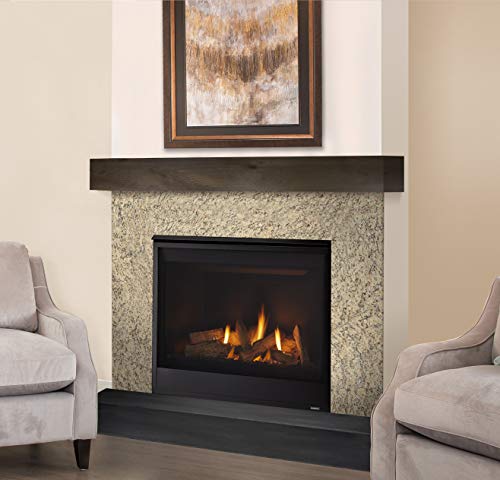
36 Direct Vent Gas Fireplace Insert: The Complete Guide
A 36-inch direct vent gas fireplace insert is one of the most efficient and versatile heating solutions for modern homes. It combines realistic flames, high heating capacity, and sealed combustion technology that keeps indoor air clean while delivering consistent warmth. This guide will help you understand everything you need to know before choosing the right model for your space.
Why choose a 36 direct vent gas fireplace insert? This size fits most standard fireplace openings, offers substantial heating output for medium to large rooms, and provides the ambiance of a real fire without the mess of wood. Whether you're replacing an old wood-burning fireplace or upgrading an existing gas unit, a 36-inch direct vent insert delivers exceptional performance and efficiency.
What Is a Direct Vent Gas Fireplace Insert?
A direct vent gas fireplace insert is a sealed combustion unit that draws air from outside your home for burning and exhausts combustion byproducts directly outdoors through a dedicated vent pipe. Unlike traditional open fireplaces, this sealed system does not use indoor air for combustion, which means it does not create drafts or reduce indoor air quality. The "36" refers to the width of the firebox in inches, making it suitable for standard fireplace openings.
Direct vent inserts are known for their high efficiency, often exceeding 80%, because the sealed design minimizes heat loss. They are also safer than ventless models because all combustion gases are expelled outdoors. For homeowners who want a reliable, low-maintenance heating source with realistic flames, a 36-inch direct vent insert is an excellent choice. If you are still exploring different options, our types of fireplaces guide provides a comprehensive overview.
Key Features of a 36 Direct Vent Gas Fireplace Insert
Sealed Combustion
Draws outside air for combustion and vents exhaust outdoors, maintaining indoor air quality and eliminating drafts.
High Efficiency
Direct vent inserts typically achieve 75–85% efficiency, converting more fuel into usable heat compared to traditional fireplaces.
Realistic Flame
Advanced burner technology and ceramic logs create flames that closely mimic a real wood fire, with glowing embers and lifelike detail.
Heating Capacity
A 36-inch insert can heat areas ranging from 1,000 to 2,000 square feet, depending on BTU output and home insulation.
Remote & Thermostat
Most modern models include remote controls and programmable thermostats for convenient, efficient operation.
Blower Option
Many 36-inch direct vent inserts come with or support a blower fan to distribute heat more evenly throughout the room.
BTU Output and Room Sizing
Choosing the right BTU output is critical for efficient heating. A 36-inch direct vent gas fireplace insert typically produces between 20,000 and 40,000 BTUs. As a general guideline, you need approximately 20 BTUs per square foot of living space in a moderately insulated home. This means a 30,000 BTU insert can effectively heat around 1,500 square feet.
However, factors such as ceiling height, insulation quality, window area, and climate zone all influence heating needs. For a more precise calculation, refer to our fireplace heating capacity BTU guide and fireplace sizing guide. If your home is well-insulated and you live in a milder climate, a lower BTU model may suffice. Conversely, colder regions may require the maximum output available in this size category.
Pros and Cons of a 36 Direct Vent Gas Fireplace Insert
Advantages
- High heating efficiency (75–85%)
- Sealed combustion keeps indoor air clean
- No drafts or heat loss from open chimneys
- Realistic flames and ember bed
- Convenient operation with remote and thermostat
- Lower maintenance than wood-burning fireplaces
- Can be installed in existing fireplace openings
- Safer than ventless models
Considerations
- Higher upfront cost than ventless or electric options
- Requires professional installation and venting
- Needs access to natural gas or propane
- Venting configuration may limit placement options
- Annual professional maintenance recommended
Direct Vent vs. Other Insert Types
| Feature | Direct Vent Gas Insert | Ventless Gas Insert | Electric Insert | Wood Insert |
|---|---|---|---|---|
| Efficiency | 75–85% | 90–99% | ~100% | 60–80% |
| Venting Required | Yes (horizontal or vertical) | No | No | Yes (chimney liner) |
| Indoor Air Quality | Excellent (sealed) | Good (may emit trace gases) | Excellent | Moderate (smoke, ash) |
| Heating Capacity | 1,000–2,000 sq ft | 1,000–1,500 sq ft | 400–1,000 sq ft | 1,000–2,500 sq ft |
| Maintenance | Low (annual service) | Low | Very Low | High (chimney, ash) |
| Installation Complexity | Moderate to High | Low | Very Low | High |
For a deeper comparison between fuel types, see our electric vs gas vs wood fireplace comparison and most energy-efficient fireplace types guides.
Installation Requirements and Considerations
Installing a 36 direct vent gas fireplace insert is not a DIY project for most homeowners. It requires proper venting, gas line connection, and adherence to local building codes. The vent pipe can be routed horizontally through an exterior wall or vertically through an existing chimney. A horizontal vent is often preferred for easier installation, but it must maintain proper clearance from windows, doors, and other openings.
Before installation, verify that your fireplace opening meets the minimum dimensions required by the insert manufacturer. Most 36-inch inserts need an opening of at least 36 inches wide, 28–32 inches high, and 16–20 inches deep. You will also need a gas line (natural gas or propane) routed to the fireplace location. If you do not have an existing gas line, consult a professional to assess feasibility. Our gas fireplace installation requirements and installation guide overview provide detailed guidance.
Professional installation typically takes 4–8 hours, depending on the complexity of the vent run and gas connection. Always hire a licensed gas fitter or certified fireplace installer to ensure safety and code compliance. For more information on permits, see our fireplace permit requirements guide.
Maintenance and Longevity
A 36 direct vent gas fireplace insert requires minimal maintenance compared to wood-burning alternatives. However, annual professional servicing is recommended to ensure safe and efficient operation. This includes cleaning the burner, inspecting the venting system, checking the thermocouple and pilot assembly, and verifying gas connections. Homeowners can perform simple tasks such as cleaning the glass and dusting the exterior.
Regular maintenance extends the lifespan of your insert, which can exceed 15–20 years with proper care. To keep your insert in top condition, follow our gas fireplace maintenance guide and maintenance schedule. If you notice any issues such as a weak flame or unusual noises, refer to our troubleshooting guide or contact a qualified technician.
Common Issues and Troubleshooting
Even the most reliable direct vent gas inserts can experience occasional issues. Here are some common problems and their solutions:
- Pilot light won't stay lit: This often indicates a dirty thermocouple or thermopile. Clean or replace as needed. See our pilot light troubleshooting guide.
- Weak flame: Could be due to low gas pressure, a clogged burner, or a faulty regulator. Refer to our weak flame guide.
- Fireplace won't turn off: This may be a faulty remote, thermostat, or valve. Check our gas fireplace won't turn off guide.
- Unusual noise: Fan or blower issues are common. Our fireplace making noise guide can help diagnose the problem.
- Smells like gas: If you detect a gas odor, turn off the unit immediately and ventilate the area. Contact a professional. See our gas smell troubleshooting guide.
Frequently Asked Questions
Most 36-inch direct vent gas inserts produce between 20,000 and 40,000 BTUs. The exact output depends on the model and whether it is natural gas or propane. Higher BTU models are suitable for larger spaces or colder climates, while lower BTU models are sufficient for well-insulated rooms.
While some homeowners with advanced skills may attempt installation, it is strongly recommended to hire a licensed professional. Direct vent inserts require precise venting, gas line connections, and compliance with local codes. Improper installation can lead to safety hazards, void warranties, and fail inspections. See our DIY vs professional installation guide for more details.
Direct vent inserts use a sealed combustion system that draws outside air and vents exhaust outdoors, maintaining indoor air quality. Ventless inserts burn gas without external venting, releasing combustion byproducts into the room. While ventless models are more efficient and easier to install, direct vent models are safer and better for indoor air quality. Learn more in our vented vs ventless comparison.
Installation costs vary based on your location, the complexity of the vent run, and whether a gas line needs to be extended. Generally, professional installation falls within the mid-range to premium tier of home improvement projects. For a detailed breakdown of cost factors, see our gas fireplace insert installation cost guide.
Annual servicing by a qualified technician is recommended. This includes cleaning the burner and glass, inspecting the venting system, checking gas connections, and testing safety features. Regular maintenance ensures efficient operation and extends the lifespan of your insert. See our fireplace service frequency guide for a detailed schedule.
A 36-inch direct vent insert is designed to heat a specific area, typically 1,000–2,000 square feet. While it can supplement your home's heating system, it is not intended to replace a central HVAC system for whole-house heating. For more information, see our can a fireplace heat an entire house guide.
Ready to Choose Your 36 Direct Vent Gas Fireplace Insert?
Now that you understand the features, benefits, and installation requirements, you are ready to explore top-rated models. Our recommended products below are selected for their performance, reliability, and value.
View Recommended Models